
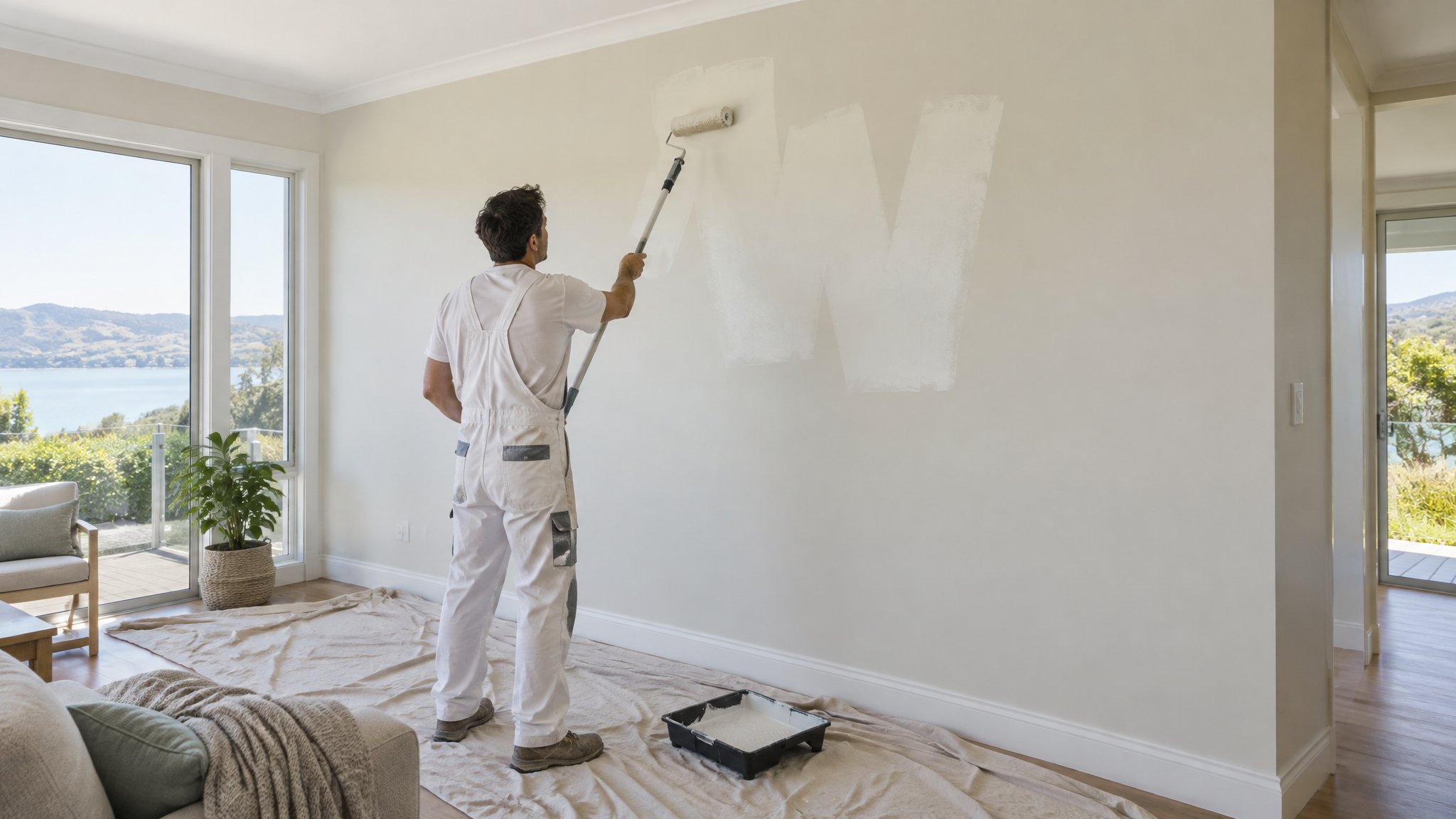
Choosing the right roller nap makes a bigger difference than most people expect. If the nap is too short, you may struggle to get enough paint onto the surface. If it’s too long, you can end up with a heavy, textured finish that shows more marks than you want.
For Auckland homes, the right choice usually comes down to the surface you’re painting: smooth walls, lightly textured walls, or ceilings with a bit of profile. Here’s a practical guide from the jobsite perspective.
What roller nap actually means
The nap is the length of the fibres on the roller cover. Shorter naps hold less paint and leave a finer finish, while longer naps carry more paint and reach into texture and small uneven spots.
In simple terms, use the shortest nap that still covers the surface properly. That gives you the smoothest finish with the least effort.
- Short nap: best for very smooth surfaces
- Medium nap: good all-round choice for most interior walls
- Longer nap: better for textured or uneven ceilings and walls
Best roller nap for interior walls
For most standard interior walls in Auckland homes, a medium nap is usually the safest choice. If the wall is smooth plasterboard or newly stopped and sanded well, a shorter nap generally gives a cleaner finish with less stipple.
As a guide, many painters use around 10 mm to 12 mm for smooth walls, and 12 mm to 15 mm where the surface has a little more texture. If the wall is rough, patched, or has old paint build-up, a slightly longer nap may help achieve even coverage.
- Smooth plasterboard: 10 mm to 12 mm
- Lightly textured walls: 12 mm to 15 mm
- Older or rougher walls: consider a longer nap if needed
Best roller nap for ceilings
A common mistake is using the same roller cover on walls and ceilings without checking the surface. A roller that works beautifully on a wall can leave a patchy finish overhead, or leave too much texture where you wanted a smoother look.
When to call Steve
If you’re unsure whether your walls or ceilings are smooth, lightly textured, or hiding old repairs, it’s worth getting advice before you start. The right roller nap can save a lot of rework, especially in premium Auckland homes where the finish really matters.
Steve is a Kiwi and a trade-qualified painter, and he can recommend the right roller cover for your exact surface, paint system, and lighting conditions. If you want a cleaner result with less trial and error, get in touch with Steve before you begin.
Frequently Asked Questions
Can I use the same roller nap for walls and ceilings?
Sometimes, yes, especially if the surfaces are similar. But in most homes, ceilings and walls benefit from different nap lengths depending on smoothness and texture.
What roller nap is best for a smooth plasterboard wall?
A shorter nap, usually around 10 mm to 12 mm, is often best for a smooth plasterboard wall because it gives a finer finish with less stipple.
Why does my ceiling look rough after rolling?
The roller nap may be too long for the surface, or the roller may be leaving too much paint texture. Using the right nap and technique usually improves the finish.
Need a hand with your project?
Happy to tackle some of it yourself? Great — but for anything you’d rather leave to a professional, Steve Lunjevich is a Kiwi and a trade-qualified painter with 20+ years’ experience. Call or email for honest advice or a free, no-obligation quote.