
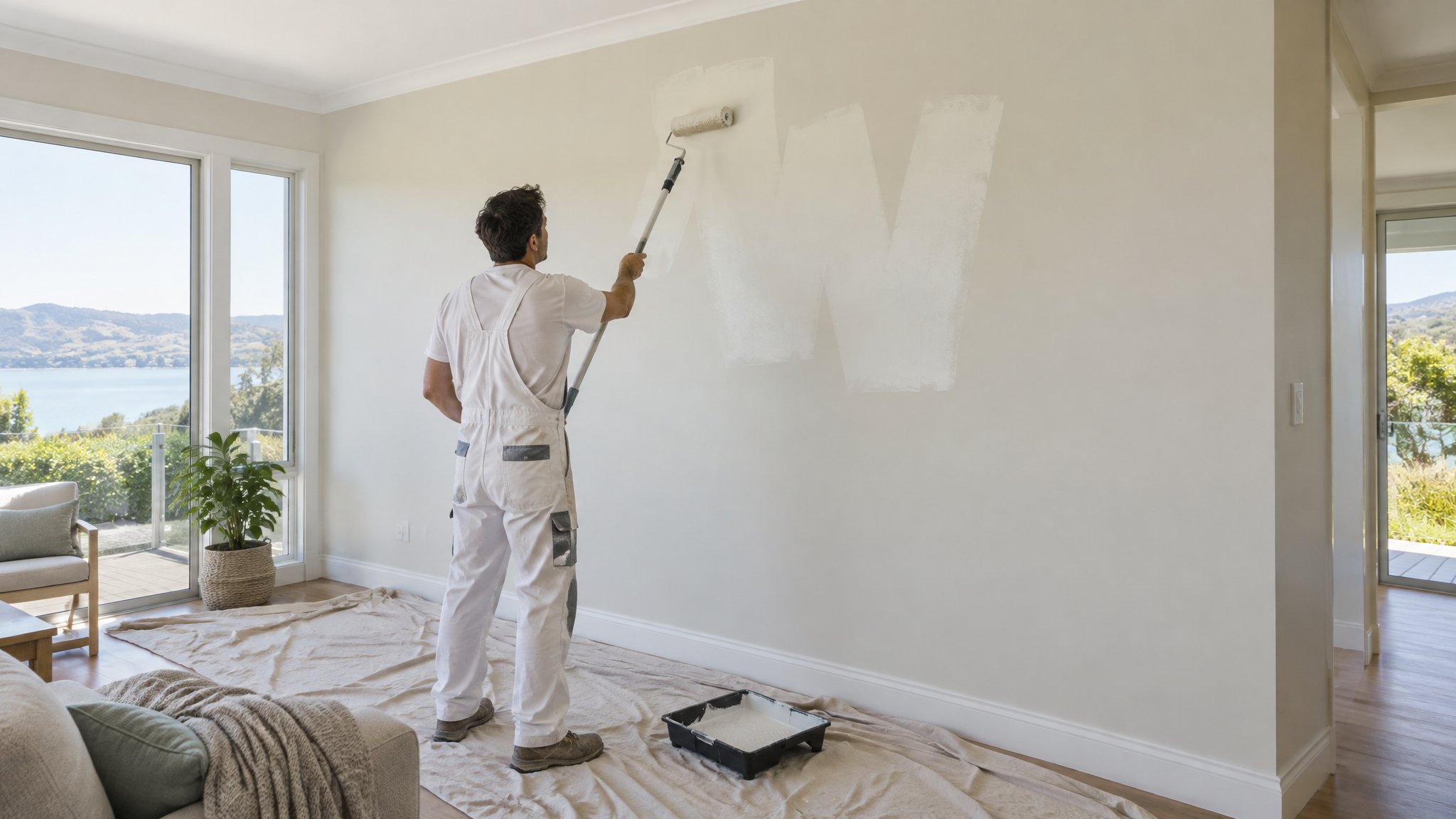
Yes, sometimes you can tile over painted walls — but only if the surface is sound, clean, and properly prepared. The paint finish, wall condition, and the type of tile adhesive all matter.
If the wall has peeling paint, gloss paint, moisture damage, or movement, tiling straight over it can lead to failure later. In Auckland homes, especially older villas and renovated houses, a proper check before you start is well worth it.
When tiling over painted walls can work
Tiling over painted walls is usually possible when the paint is firmly bonded to the wall, the surface is flat, and there is no sign of damp, mould, cracking, or flaking. This is common for kitchen splashbacks, laundry walls, and some bathroom areas outside direct shower exposure.
A matt or low-sheen painted wall is easier to tile over than a glossy one, because adhesive grips better to a duller surface. Even then, the wall still needs a proper clean and sometimes a light sand to improve adhesion.
In practical terms, the wall must be stable enough to hold the weight of the tiles and adhesive. If the paint is doing all the moving, the tiles will eventually move too.
- Paint is well bonded and not peeling
- Wall is dry, clean, and free of mould
- Surface is reasonably flat
- No major cracks, swelling, or damp patches
- Suitable adhesive and primer are used
When you should not tile over paint
Do not tile over walls with loose, chalky, bubbling, or flaking paint. These surfaces will not give the adhesive a reliable bond, and the tiles may lift or crack over time. High-gloss paint can also be a problem if it has not been properly keyed or primed.
If the wall has been painted with unknown coatings, oil-based paint, or has had smoke, grease, or silicone contamination, extra prep is needed. Bathrooms and kitchens can be especially tricky because steam and grease can interfere with adhesion.
If there are existing cracks, water stains, soft plasterboard, or signs of moisture behind the wall, tiling over it only hides the issue. It does not fix it.
- Peeling or flaking paint
- Water damage or active leaks
- Glossy or contaminated surfaces
- Cracked, soft, or damaged plasterboard
- Mould or damp behind the finish
How to prepare a painted wall for tiling
Good prep is the difference between a long-lasting finish and a costly repair. Start by washing the wall to remove grease, dust, and grime. Then scrape away any loose paint and sand the surface so it has some tooth. Any holes or cracks should be filled and allowed to dry properly before sanding smooth.
In many cases, a suitable primer or bonding agent is needed before tiling, especially over glossy paint. The right product will depend on the existing surface and the adhesive being used. For wet areas, moisture resistance is also important.
If you are tiling over painted plasterboard in a kitchen or laundry, check that the substrate is sound and the adhesive is compatible with the wall condition. Taking shortcuts here often means tiles failing later, which is far more expensive than doing the prep properly the first time.
When to call Steve
If you are not sure whether your painted wall is suitable for tiling, it is worth getting it checked before you start. Steve is a Kiwi and a trade-qualified painter, and he can assess the paint finish, wall condition, and any prep needed so the surface is ready for the next trade.
That is especially useful in Auckland homes where old paint systems, patch repairs, and moisture issues are common. Steve can also advise whether the wall needs sanding, sealing, or more substantial surface repair before the tiler goes in. A quick professional opinion now can save a lot of hassle later.
Frequently Asked Questions
Can you tile straight onto painted plasterboard?
Sometimes, yes — if the paint is sound, the board is dry and stable, and the surface has been properly cleaned and keyed. Glossy or damaged paint usually needs extra prep first.
Do I need to sand painted walls before tiling?
Often, yes. Light sanding helps remove sheen and gives the adhesive a better grip. If the paint is already flaking or failing, more extensive prep may be needed.
Is it better to remove the paint before tiling?
Not always. If the paint is firmly bonded, suitable prep may be enough. If it is peeling, contaminated, or water-damaged, stripping or repairing the wall may be the better option.
Need a hand with your project?
Happy to tackle some of it yourself? Great — but for anything you’d rather leave to a professional, Steve Lunjevich is a Kiwi and a trade-qualified painter with 20+ years’ experience. Call or email for honest advice or a free, no-obligation quote.