
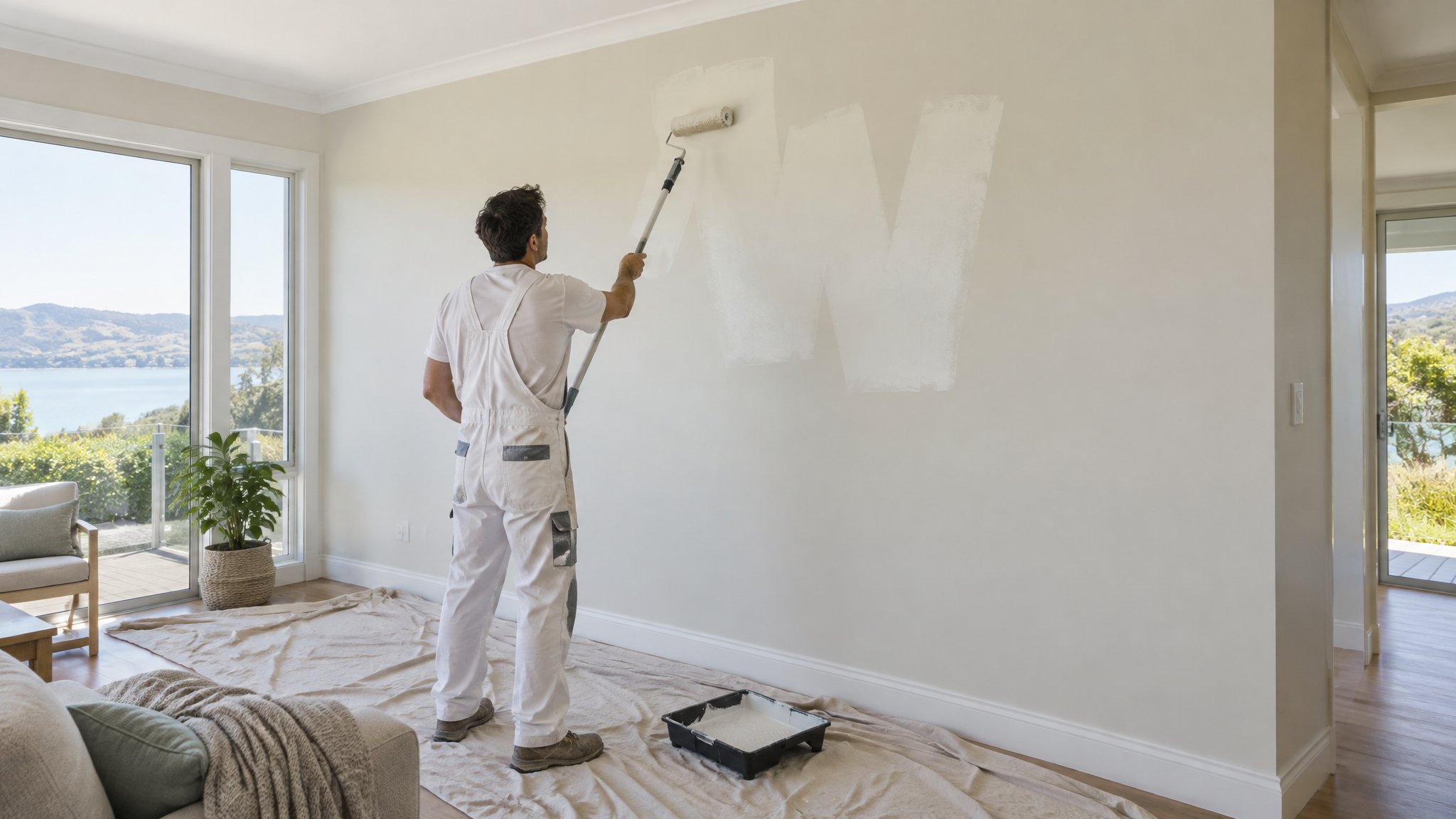
Laundry and garage walls cop a different kind of treatment to the rest of the house. Between moisture, cleaning, dust, bumped trolleys, bikes, tools and the odd spill, these rooms need a tougher paint system than a standard bedroom or living room.
The best choice depends on what the room is used for, how much moisture it gets, and what the existing wall surface is like. In most Auckland homes, a durable, washable low-sheen acrylic is the safest place to start.
What paint works best in a laundry?
For a laundry, choose a quality interior acrylic that is washable and moisture resistant. A low sheen or matte washable finish is usually the sweet spot because it hides imperfections better than gloss, but still gives you enough durability for wiping down marks and splashes.
If the laundry gets steamy or has poor ventilation, make sure the paint is suitable for humid areas. That does not mean you need a bathroom-only coating on every wall, but you do want a product that can handle condensation and regular cleaning.
Pay close attention to the surface prep. In laundries, old nicotine, detergent residue, mildew and flaky previous paint can stop a new coat from performing properly. A good sealer or stain blocker may also be needed if there are water marks or discolouration.
What paint works best in a garage?
Garage walls usually need a tougher, more scuff-resistant finish than a standard interior room. A durable acrylic wall paint is generally the best option, and in many garages a low sheen finish gives a practical balance between cleanability and appearance.
If the garage is used as a workshop, storage area or kids’ sports zone, think about how much rubbing and knocking the walls will take. In those spaces, a hard-wearing acrylic system is often better than a soft decorative paint.
For garages that are unlined, dusty or exposed to temperature swings, preparation matters even more than the brand name on the tin. Surfaces may need cleaning, patching, sanding, and sealing before any topcoat goes on.
Finish, prep and colour tips that make a big difference
A few simple choices can improve the result a lot:
Use low sheen for most laundry and garage walls if you want a balance of durability and a tidy look.
Go for lighter colours where possible, especially in garages, because they bounce more light around and make the space feel cleaner and bigger.
Choose washable products if the walls are likely to get handprints, splash marks or dust.
Do not skip primer or sealer where needed, particularly over patched areas, bare plasterboard, new stopping or old stains.
If mould or mildew is present, treat the cause first. Paint alone will not fix ventilation problems.
In Auckland’s humid climate, ventilation is a big part of the job. An extractor fan, louvre window or door gap can help paint last longer by reducing moisture build-up.
When to call Steve
If you are unsure whether your laundry or garage needs a standard washable acrylic, a moisture-resistant finish or extra prep work, call Steve. He is a Kiwi and a trade-qualified painter, and he can assess the room properly before any paint is chosen.
Steve can help with patching, stain blocking, surface prep and selecting the right finish for the conditions in your Auckland home. That is especially useful if the space has damp patches, old coatings, or walls that take a beating from daily use.
For a result that looks good and lasts, it is worth getting the right advice upfront rather than repainting too soon.
Frequently Asked Questions
Can I use the same paint in a laundry and a garage?
Sometimes, yes. A good washable low-sheen acrylic can suit both, but garages often need a tougher, more scuff-resistant finish and laundries may need better moisture resistance. The condition of the walls matters too.
Should garage walls be painted with exterior paint?
Usually no. Most garage interiors are best painted with a quality interior acrylic designed for hard-wearing wall use. Exterior paint is made for different conditions and is not usually the first choice inside.
Do I need mould-resistant paint in a laundry?
If the laundry gets damp, steamy or has had mildew before, a moisture-resistant and mould-inhibiting product can help. But fixing ventilation and cleaning up existing mould are just as important as the paint itself.
Need a hand with your project?
Happy to tackle some of it yourself? Great — but for anything you’d rather leave to a professional, Steve Lunjevich is a Kiwi and a trade-qualified painter with 20+ years’ experience. Call or email for honest advice or a free, no-obligation quote.