If your bathroom keeps developing mould, the paint is only part of the answer. In Auckland homes, especially older villas and damp north-facing rooms, the right coating system can help, but good preparation and ventilation matter just as much.
For most bathrooms, you want a washable, moisture-resistant acrylic paint made for wet areas, ideally with mould-resistant properties. The surface underneath must also be properly cleaned, sealed and dried, or mould will keep coming back through the finish.
Choose a bathroom or wet-area acrylic paint
The best choice for most bathrooms is a quality interior acrylic paint labelled for bathrooms, kitchens or wet areas. These paints are designed to handle humidity, regular cleaning and condensation better than standard wall paint.
A mould-resistant bathroom paint usually contains additives that help slow mould growth on the paint film. That said, it does not kill mould already present on the wall, and it will not fix ongoing moisture problems by itself.
For ceilings and upper walls, a flat or low-sheen bathroom-rated finish is often used because it hides surface marks well while still allowing the room to breathe more than a hard gloss surface.
- Use a bathroom-rated acrylic, not standard interior wall paint
- Look for mould-resistant or anti-fungal properties
- Choose a washable finish suited to humidity
- Do not rely on paint alone to solve ventilation problems
Preparation is what really stops mould coming back
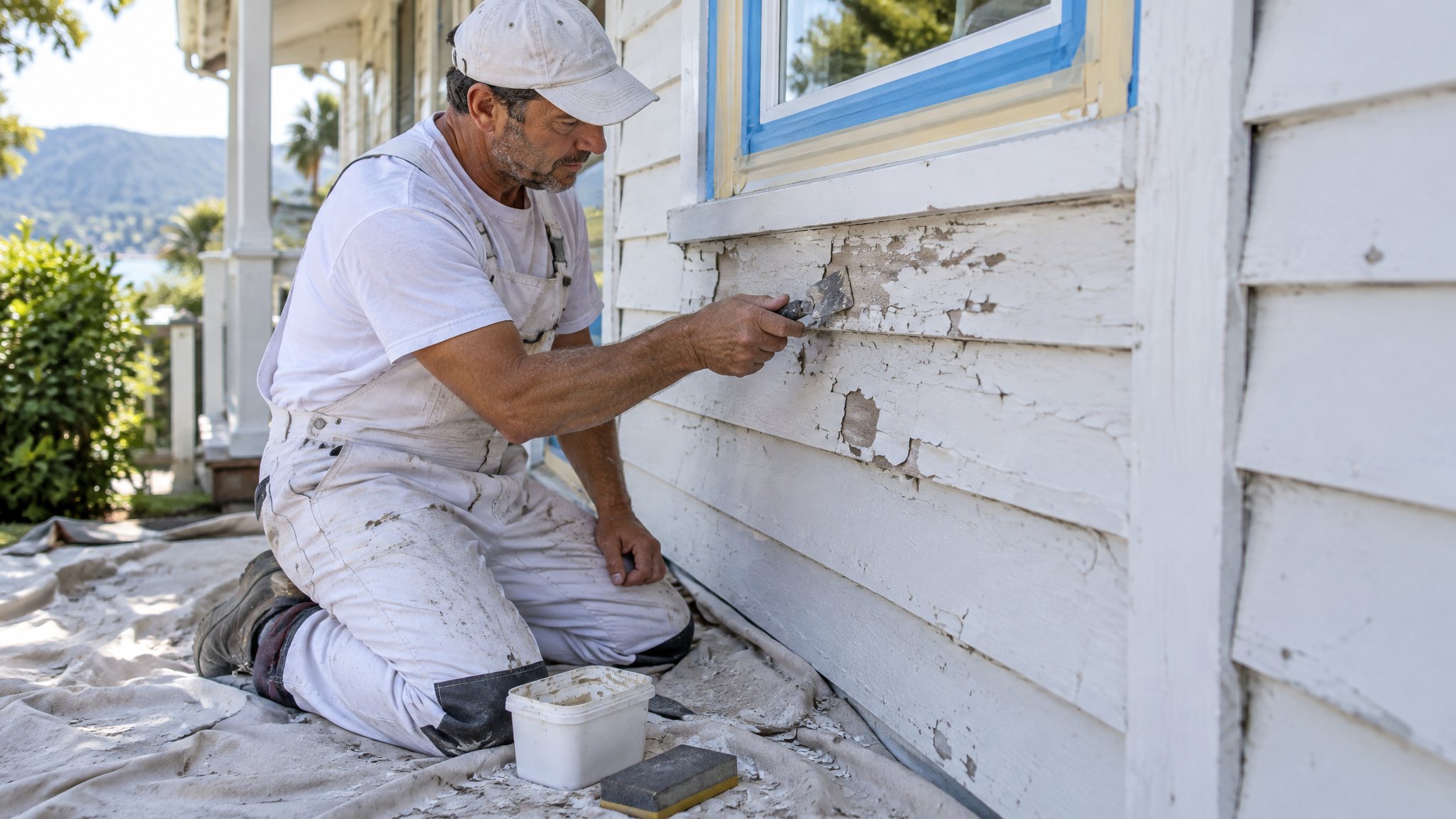
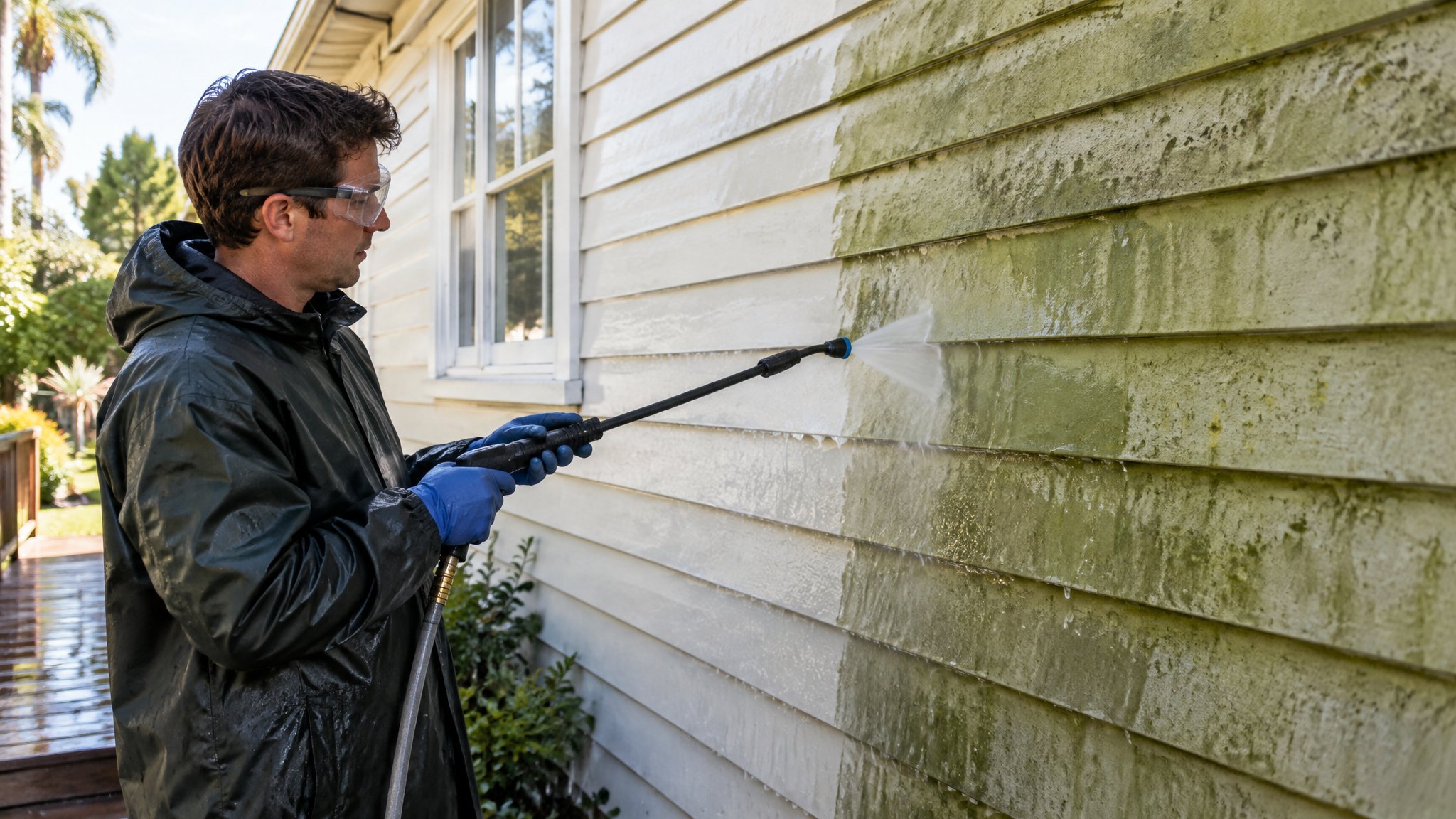
If there is mould on the existing surface, it must be removed before painting. Clean the area with an appropriate mould treatment, allow it to dry fully, then inspect for staining, peeling paint or damaged plasterboard.
Any loose material should be scraped back, sanded smooth and repaired. If mould has stained the substrate, a stain-blocking sealer may be needed before topcoating. Painting over active mould or damp plaster is a waste of time.
Good bathroom prep also includes checking where the moisture is coming from. Poor extraction, leaking grout, unsealed gaps and repeated shower condensation all contribute to mould, even with the right paint.
- Clean and remove mould before painting
- Let the room dry thoroughly
- Repair cracks, peeling areas and damaged plaster
- Use a sealer if staining is left behind
- Fix ventilation and leaks where possible
Help the paint system perform better in Auckland conditions
Auckland’s humidity can make bathrooms harder to maintain, so the whole system matters: prep, primer, topcoat and ventilation. If you have a very steamy bathroom, a premium moisture-resistant paint system is worth using, particularly on ceilings and around showers.
Extractor fans should vent outside, not into the ceiling cavity, and they need to be used properly after showers. Wiping down wet surfaces and keeping the room aired out will make any paint finish last longer.
If the bathroom is tiled, painted, or has older plasterboard, the correct primer and finish can vary. Different surfaces need different products, especially where there has been past mould or moisture damage.
When to call Steve
If the mould keeps returning, the paint is flaking, or you are not sure which product suits your bathroom, it is worth getting advice before you start. Steve is a Kiwi and a trade-qualified painter, and he can assess the room properly, recommend the right prep and specify a paint system that suits your home.
That is especially helpful in older Auckland houses, where hidden moisture, poor sealing or previous DIY repairs can make the job more complicated than it first looks.
Frequently Asked Questions
Can I use standard wall paint in a bathroom?
You can, but it is not ideal. Standard wall paint is less resistant to moisture, cleaning and condensation, so it is more likely to mark, soften or encourage mould problems in a bathroom.
Does mould-resistant paint stop mould completely?
No. It helps reduce mould growth on the painted surface, but it will not fix the cause of the moisture problem. You still need proper cleaning, drying, ventilation and repairs.
Should I prime over mould before painting?
Not directly over active mould. Clean it first, let the surface dry, then use the right sealer or primer if staining, porosity or old damage is present.
Need a hand with your project?
Happy to tackle some of it yourself? Great — but for anything you’d rather leave to a professional, Steve Lunjevich is a Kiwi and a trade-qualified painter with 20+ years’ experience. Call or email for honest advice or a free, no-obligation quote.