
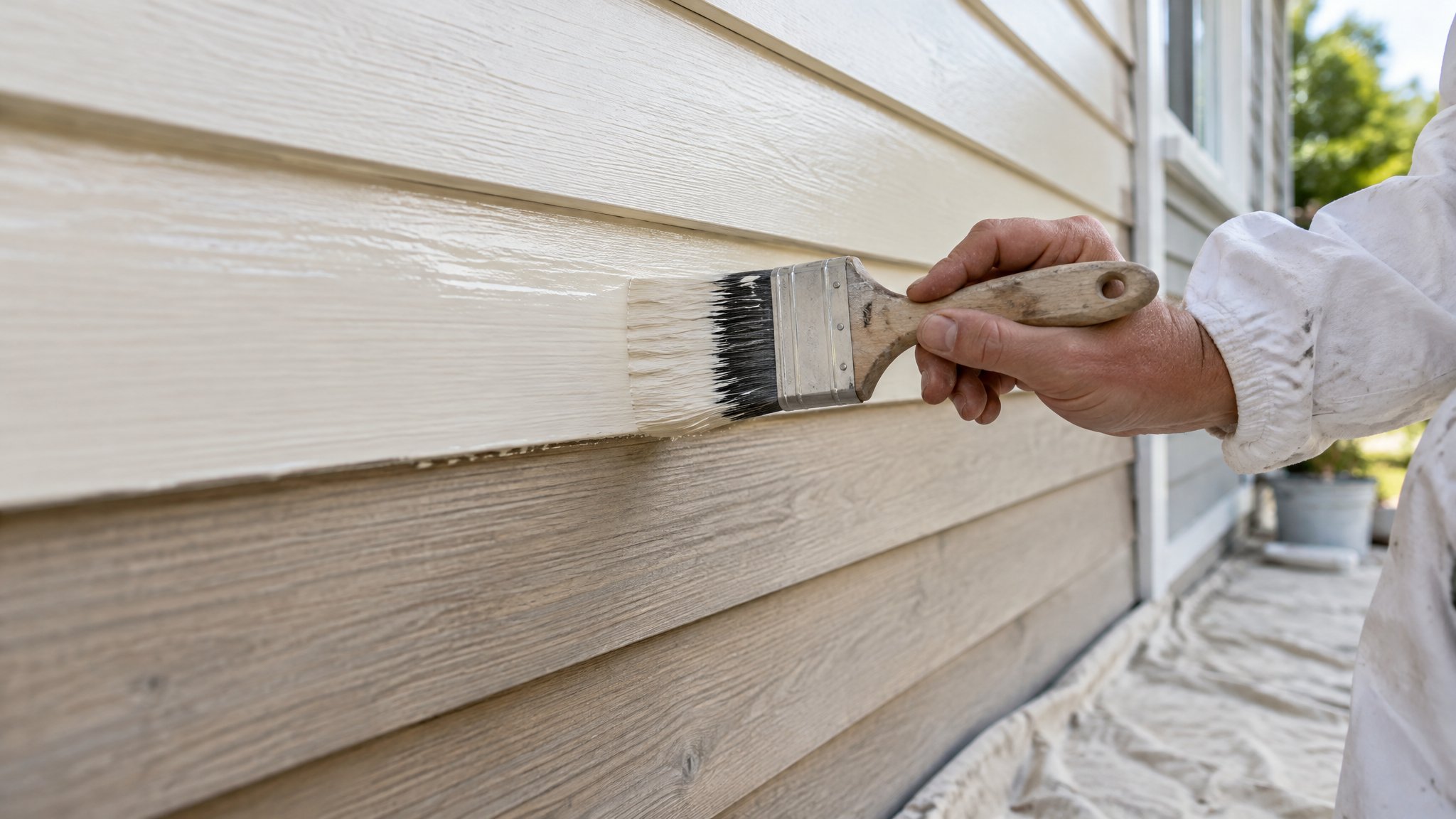
If you are painting timber, doors, trims or other joinery in your Auckland home, the choice between water based and oil based paint matters more than many people realise. Each type behaves differently, and the right one depends on the surface, the finish you want, and how the room is used.
In most modern homes, water based paint is now the go-to for many jobs, but oil based paint still has its place, especially on certain timber and renovation projects. Here is a practical breakdown to help you choose with confidence.
How water based paint differs from oil based paint
Water based paint uses water as the main carrier, so it dries faster, has less odour, and is generally easier to clean up with water. It is commonly used on interior walls, ceilings, doors, skirting boards and a lot of trim work.
Oil based paint uses solvent or mineral spirits as the carrier. It tends to level out well, can give a very smooth finish, and traditionally has been valued for its toughness on timber and high-wear surfaces.
The biggest practical difference is how they cure. Water based paint dries quickly and is easier to work with for most everyday painting. Oil based paint takes longer to dry and can produce a harder, more durable surface in some situations.
- Water based: faster drying, lower odour, easier cleanup
- Oil based: smoother flow, slower drying, traditionally harder-wearing
- Both can perform well when matched to the right timber and prep
Which paint is better for timber and staining jobs?
For timber and staining work, the choice is not always black and white. Water based products are now widely used on prepared timber, especially where you want quicker turnaround, lower smell, and better flexibility as the timber moves with Auckland’s changing humidity.
Oil based paint may still be suitable for some older timber, weathered surfaces, or where you need a very particular finish. It can also be useful in renovation work when existing coatings and substrate conditions call for a more traditional system.
If you are staining rather than painting, the same idea applies: the timber type, exposure, and condition all influence whether a water based or oil modified system is best. Softwoods, hardwoods, exterior timber and previously coated surfaces all behave differently.
Pros and cons for Auckland homes
In Auckland homes, water based paint is often preferred for interior work because it dries quickly in changing weather and is usually more comfortable to live with during the job. It is also a good option for many families who want less smell and faster use of the room again.
Oil based paint can still be handy for specialist applications, but it has drawbacks: longer drying times, stronger fumes, and more involved cleanup. It can also yellow over time in some interior situations, particularly where there is limited light.
For premium homes in suburbs like Remuera, Ponsonby or Herne Bay, the best result often comes from choosing the product system that suits the timber, the existing coating, and the finish standard you want to achieve.
- Water based suits most modern interior painting needs
- Oil based can still suit select timber and restoration work
- Prep is just as important as the paint type
When to call Steve
If you are unsure whether water based or oil based paint is right for your timber, trim or staining project, it is worth getting proper advice before you start. A poor product choice can lead to adhesion problems, patchy finish, or unnecessary extra work later on.
Steve is a Kiwi and a trade-qualified painter, and he can help you choose the right system for your home, whether you are refreshing interior timber, updating exterior joinery, or dealing with an older painted surface. He can also advise on prep, primers and topcoats so the finish lasts and looks sharp.
Frequently Asked Questions
Is water based paint as durable as oil based paint?
In many modern applications, yes. Good quality water based paint can be very durable, especially when the surface is properly prepared and the right primer is used. Oil based paint may still be preferred for some specialist timber jobs.
Can I paint over oil based paint with water based paint?
Often yes, but only if the surface is cleaned, sanded and primed correctly. Adhesion is the key. If you are not sure what the existing coating is, ask Steve, a Kiwi and a trade-qualified painter, for advice before painting.
Which paint is better for interior doors and trims?
It depends on the timber, the existing coating and the look you want. Many Auckland homeowners now choose water based paint for interior trims because it dries fast and has low odour, but some older timberwork may still suit an oil based system.
Need a hand with your project?
Happy to tackle some of it yourself? Great — but for anything you’d rather leave to a professional, Steve Lunjevich is a Kiwi and a trade-qualified painter with 20+ years’ experience. Call or email for honest advice or a free, no-obligation quote.