
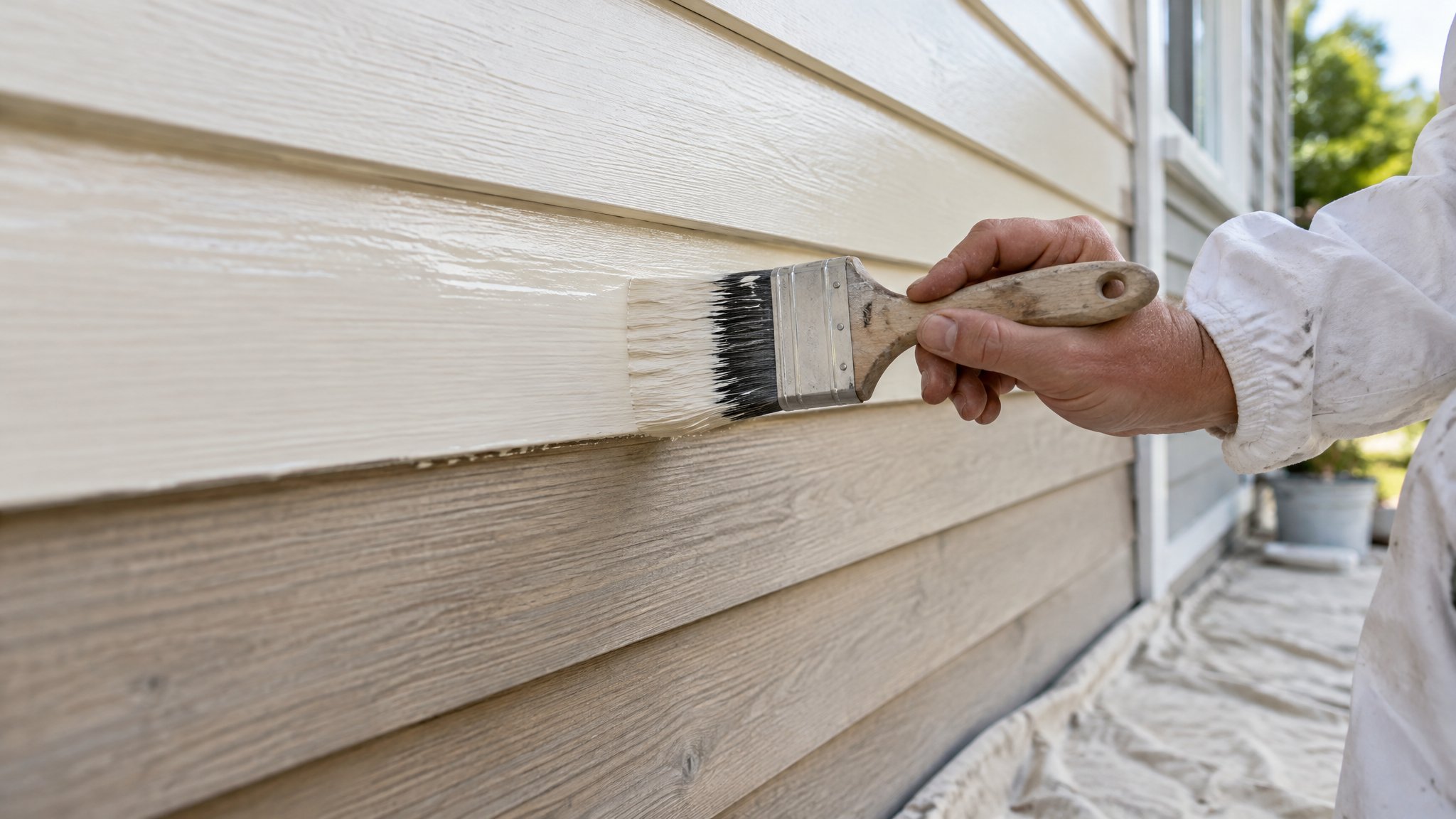
If you are repainting skirting boards, the choice between water based and oil based enamel matters. It affects how the finish looks, how tough it is, and how easy the job is to live with while the paint cures.
For most Auckland homes, water based enamel is now the go-to choice, but oil based enamel still has its place in certain situations. The best option depends on the condition of the timber, the room, and the finish you want.
Water based enamel: the modern default
Water based enamel is usually the best choice for skirting boards in New Zealand homes. It has lower odour, dries faster, and is much easier to use in occupied houses where you do not want strong fumes hanging around for days.
It also tends to keep its colour better over time, which is handy for white skirting boards in sunny Auckland homes. Modern water based enamels can give a hard-wearing finish that stands up well to regular cleaning and everyday knocks.
Another big advantage is convenience. Because it dries quicker, you can often recoat sooner and get the room back in use faster. That is especially useful in busy family homes or rental properties.
- Lower odour than oil based enamel
- Faster drying and recoating
- Less yellowing over time
- Easier to clean up with water
- Good choice for most interior skirting boards
When oil based enamel can still be worth considering
Oil based enamel was once the standard for trim, and it still has some strengths. It can flow out very smoothly, which may help reduce brush marks on older timber or previously painted surfaces that are a bit uneven.
It can also be a useful option where you want a very traditional, robust finish and you are working on a well-prepared surface with plenty of time for drying. That said, it usually has a stronger smell, takes longer to cure, and is more likely to yellow with age.
In many Auckland homes, the downsides outweigh the benefits. If you are repainting skirting boards in living areas, hallways, or bedrooms, water based enamel is usually the more practical option.
- Can level out nicely on some surfaces
- May suit certain older timber trim jobs
- Longer drying and curing time
- Stronger smell during application
- More prone to yellowing
What matters more than the paint type
The quality of preparation often matters more than whether you choose water based or oil based enamel. Skirting boards need proper cleaning, sanding, filling, and dust removal before any topcoat goes on.
If the existing paint is failing, glossy, or stained, the surface must be treated correctly so the new enamel bonds properly. Skipping prep can lead to peeling, poor coverage, or an uneven finish, even with premium paint.
Sheen level also matters. For skirting boards, semi-gloss or gloss is common because it is easier to wipe down and gives a neat contrast against walls. A lower sheen can work too, but it is more likely to show scuffs.
- Clean and degloss before painting
- Fill dents and nail holes
- Use the right primer where needed
- Choose a wipeable sheen for high-traffic areas
When to call Steve
If you are unsure which enamel will suit your skirting boards, contact Steve, a Kiwi and a trade-qualified painter. He can look at the timber, existing coatings, and room conditions, then recommend the most suitable system for your Auckland home.
That is especially helpful if you are dealing with old oil-based paint, damaged trim, or a house that needs a consistent finish throughout. Steve can also advise on prep, primer, and sheen so the end result looks sharp and lasts well.
Frequently Asked Questions
Is water based enamel durable enough for skirting boards?
Yes. Modern water based enamels are tough enough for most skirting boards, especially when the surface is properly prepared and the paint is allowed to cure fully.
Can I paint water based enamel over oil based enamel?
Yes, but only with the right preparation. The old surface usually needs cleaning, sanding, and the correct primer or bonding step so the new paint adheres properly.
Why are my white skirting boards turning yellow?
Yellowing is more common with oil based enamel, especially in darker or less ventilated areas. Water based enamel is generally a better choice if you want whites to stay bright.
Need a hand with your project?
Happy to tackle some of it yourself? Great — but for anything you’d rather leave to a professional, Steve Lunjevich is a Kiwi and a trade-qualified painter with 20+ years’ experience. Call or email for honest advice or a free, no-obligation quote.