
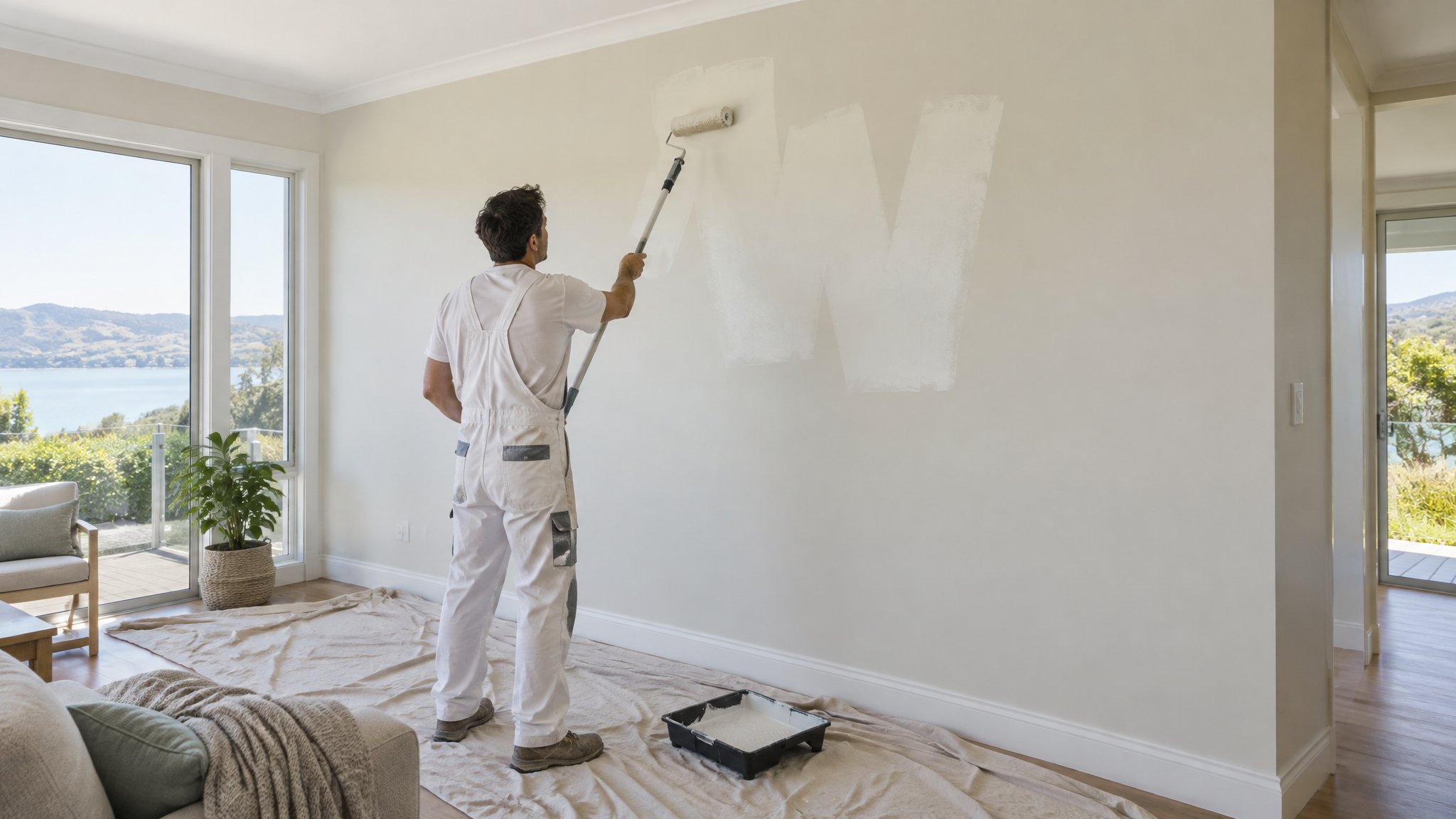
Painting interior stairs and handrails is one of those jobs that looks simple until you start. The shape is awkward, the surfaces get touched constantly, and the finish needs to cope with daily use.
The best results come from careful preparation, the right paint system, and a patient approach between coats. For many Auckland homes, that means treating stairs and handrails as a detail job rather than a quick repaint.
Start with proper preparation
Good prep makes the biggest difference to stairs and handrails. These surfaces often carry hand oils, polish residue, dust, and old flaking paint, all of which can stop the new coating from bonding properly.
Begin by washing down the area with a suitable sugar soap solution or cleaner, then let it dry fully. Remove any loose paint, fill dents and nail holes, and sand glossy areas to create a key. If the timber has been previously varnished or stained, you may need more thorough sanding and a stain-blocking primer before topcoating.
Mask carefully along adjacent walls, balustrades, carpet edges, and nosings. On stairs, clean edges and sharp lines matter because they are right at eye level and get a lot of traffic.
- Clean off hand oils and grime
- Scrape and sand loose or glossy areas
- Fill imperfections before painting
- Mask edges neatly to protect nearby surfaces
Choose the right primer and topcoat
For most interior stairs and handrails, a quality primer followed by a hard-wearing enamel or durable water-based trim paint is the safest option. The exact product depends on the existing finish, the timber species, and how much traffic the stairs receive.
Handrails in particular need a smooth, tough finish that resists fingerprints and wear. Satin or semi-gloss is usually a practical choice because it is easier to clean than a flat finish and is less likely to show marks. On stair treads and risers, durability and slip awareness matter just as much as appearance.
If you are painting over dark timber, stained timber, or a previously painted surface with adhesion issues, primer selection is especially important. Using the wrong product can lead to peeling, chipping, or an uneven sheen.
Apply thin coats and allow good drying time
The best way to get a professional-looking finish is to use thin, even coats rather than trying to cover everything in one go. Thick coats are more likely to run, sag, or dry unevenly on handrails and balusters.
Use a high-quality brush for detail work and a small roller where appropriate on flatter areas. Work in manageable sections so you can keep a wet edge and avoid lap marks. Between coats, lightly sand if needed to remove nibs or dust, then wipe down before recoating.
Drying times matter, especially in Auckland’s cooler, damper months. Even if a surface feels dry to the touch, it may not be ready for the next coat or for full use. Rushing this stage is a common cause of scuffs and premature wear.
- Use thin coats for a smoother finish
- Keep a wet edge to avoid lap marks
- Lightly sand between coats if needed
- Allow proper drying before regular use
When to call Steve
If your stairs are heavily worn, previously stained, awkwardly detailed, or in a high-end Auckland home where the finish needs to be flawless, it is worth getting expert help. Steve is a Kiwi and a trade-qualified painter who can assess the surface properly, recommend the right primer and topcoat, and deliver a clean, durable finish without the trial and error.
For homeowners and property managers in Remuera, Herne Bay, Ponsonby, Parnell, St Marys Bay, Epsom, Westmere, Orakei, Mission Bay, Grey Lynn, Devonport, and across greater Auckland, professional staircase painting can save time and reduce the risk of costly mistakes. If you want advice before starting, or you want the job done properly the first time, contact Steve.
Frequently Asked Questions
Can I paint stair treads as well as handrails?
Yes, but stair treads need extra care because they take foot traffic. A durable, well-prepared finish is essential, and in some homes it may be better to use a specialist system or leave the treads to a professional.
What sheen is best for interior handrails?
Satin or semi-gloss is usually best for handrails. These finishes are easier to clean and stand up better to regular handling than a flat finish.
Do I need to sand before painting a staircase?
Usually yes. Sanding helps remove gloss, improve adhesion, and smooth out defects. On previously varnished or painted timber, proper sanding is often the difference between a finish that lasts and one that chips early.
Need a hand with your project?
Happy to tackle some of it yourself? Great — but for anything you’d rather leave to a professional, Steve Lunjevich is a Kiwi and a trade-qualified painter with 20+ years’ experience. Call or email for honest advice or a free, no-obligation quote.