
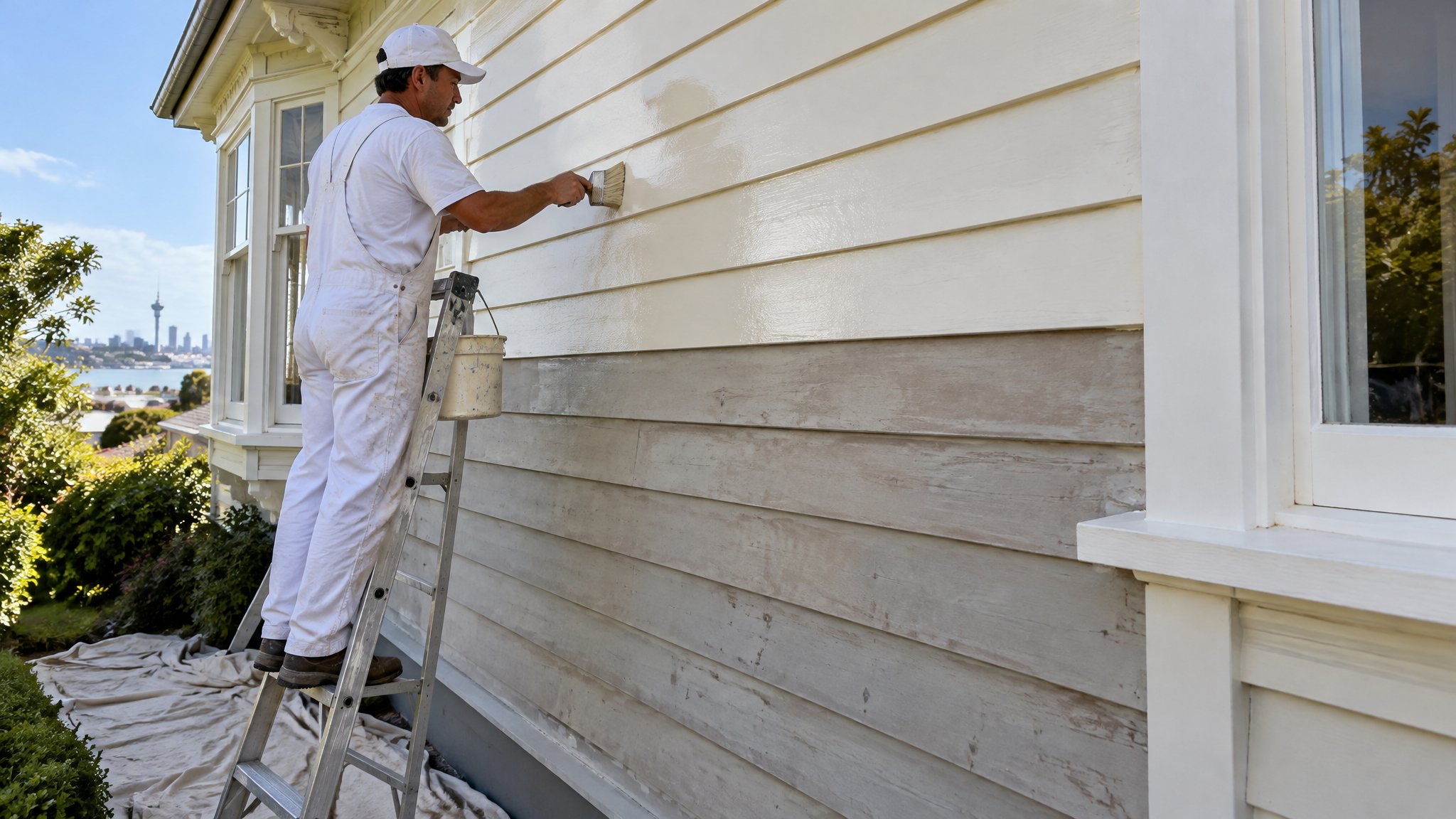
Hallways cop more wear than most rooms. They get scuffed by shoes, bags, buggies, pets, and the daily shuffle through the house, so the best paint for a high traffic hallway needs to do more than just look good.
For Auckland homes, especially busy family houses and premium properties with long entryways, the right paint should be durable, easy to clean, and still give you a smooth, refined finish.
The best paint type for busy hallways
In most cases, a premium water-based acrylic interior paint is the best choice for hallway walls. It gives you good durability, dries relatively quickly, and is easier to live with than old-style oil-based finishes.
If the hallway is heavily used, look for a low-sheen or washable finish designed for scuff resistance. These paints are made to handle repeated wiping without showing marks too quickly.
For most Auckland homes, a quality acrylic paint with strong washability is the safest all-round option. It balances appearance and practicality, which is exactly what you want in a hallway.
- Choose premium interior acrylic for walls
- Look for washable, scuff-resistant properties
- Avoid very flat finishes in high-contact areas
- Use a product suited to NZ interior conditions
Which sheen level works best?
Sheen matters as much as the paint itself. A dead flat finish can hide imperfections nicely, but it is usually not the best option for a hallway because it marks more easily.
A low sheen or matte finish is often the sweet spot. It softens light, looks elegant, and is easier to wipe down than a very flat paint. For homes with children or lots of foot traffic, this is usually the most practical choice.
If you want a slightly tougher surface, some painters may recommend a durable low sheen or an enamel-style finish on trim, doors, and frames. That helps the whole hallway stay looking sharp for longer.
- Low sheen is usually the best balance
- Flat paint is less suitable for busy hallways
- Higher sheen can highlight surface flaws
- Use tougher finishes on trim and doors
Prep work makes the difference
Even the best paint will struggle if the surface is poorly prepared. Hallways often have old patch repairs, shiny fingerprints, hairline cracks, and dusty corners that need attention before painting starts.
Good preparation usually includes cleaning the walls, filling dents, spot priming, sanding rough edges, and making sure the surface is sound. In older Auckland villas and renovated homes, this step is especially important because light angles in hallways can reveal every flaw.
If you are repainting over a darker colour or a stained wall, the right primer can improve coverage and help the topcoat perform properly.
When to call Steve
If your hallway is scuffed, uneven, or just hard to keep looking tidy, it is worth getting advice before choosing a product. Steve is a Kiwi and a trade-qualified painter, and he can recommend the right paint system for your home, whether you are in Remuera, Ponsonby, Devonport, or anywhere across Auckland.
A hallway repaint is often more than a quick colour change. The best result comes from matching the finish to the traffic level, the existing surface condition, and the look you want to achieve. Steve can help you choose a durable option that looks polished and lasts well.
Frequently Asked Questions
Is washable paint worth it for a hallway?
Yes. In a high traffic hallway, washable paint is usually worth it because it is easier to clean marks and fingerprints without damaging the finish.
Should I use the same paint on the walls and trim?
Usually not. Walls often suit a low sheen washable finish, while trim, doors, and frames often look better with a tougher enamel-style finish.
What colour is best for a narrow hallway?
Lighter neutrals often work well because they help a narrow hallway feel brighter and more open, but the right colour also depends on your lighting and adjoining rooms.
Need a hand with your project?
Happy to tackle some of it yourself? Great — but for anything you’d rather leave to a professional, Steve Lunjevich is a Kiwi and a trade-qualified painter with 20+ years’ experience. Call or email for honest advice or a free, no-obligation quote.