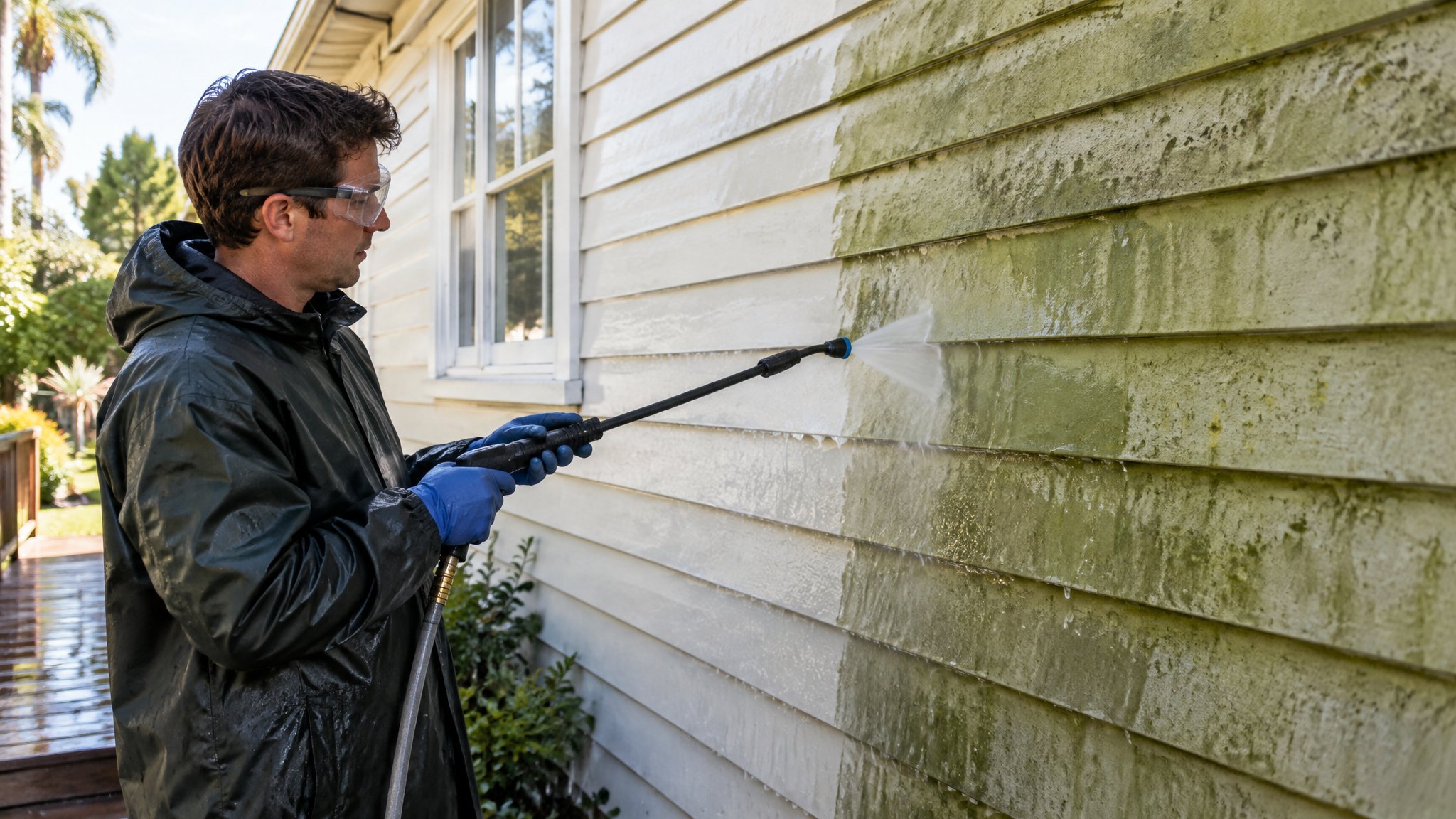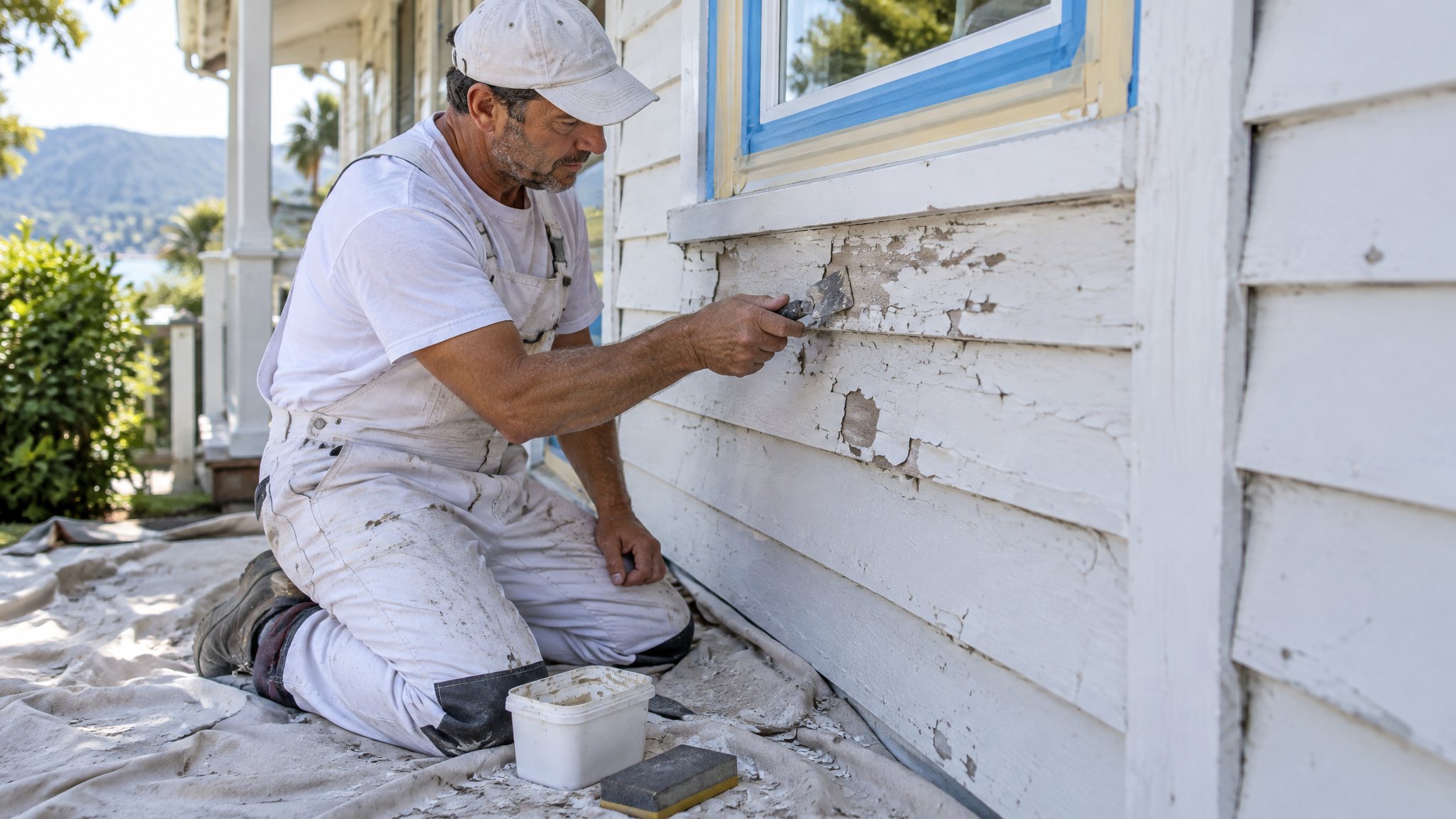
If you are getting your home painted, a bit of preparation can make a big difference to the finish, the speed of the job, and how smoothly the day runs. Good prep helps painters work efficiently and protects your furniture, floors, and belongings.
For Auckland homeowners and property managers, especially in busy households or premium homes where detail matters, getting organised before the first brushstroke is well worth it. Here is a practical guide to help you prepare properly.
Clear the space before painting starts
The first job is to make the area as open and accessible as possible. Paint crews need room to move ladders, drop sheets, tools, and materials without constantly shifting furniture around.
Move small items out of the room entirely if you can. This includes lamps, cushions, plants, ornaments, books, and anything breakable. Pack away valuables and personal items so they are safe and out of the way.
For larger furniture, move it to the centre of the room if you are keeping it inside, or into another room if space allows. If something is too heavy or awkward to move safely, let the painter know in advance.
- Remove wall art, mirrors, and photo frames
- Take down curtains, blinds, or drapes if required
- Clear shelves, benchtops, and window sills
- Unplug electronics and tidy away cords
Protect your floors, fittings, and everyday items
Even when a painter uses drop sheets and careful masking, it helps to remove anything that could be marked, bumped, or contaminated with dust. This is especially important in homes with timber floors, delicate finishes, or recently renovated spaces.
If you have furniture that must stay in the room, cover it only if you have suitable clean covers. Otherwise, it is better to let your painter handle the protection so the coverings are done properly and do not trap dust or moisture.
Think about practical items too. Pets, children’s toys, and day-to-day clutter can get in the way. Keeping pathways clear makes the job safer and helps the work flow better.
Prepare walls and tell your painter what matters
You do not need to do major repairs unless you are comfortable doing so, but it is useful to point out any problem areas before work begins. Cracks, damp marks, nail pops, water stains, mould, peeling paint, and previous patch repairs all affect the preparation needed.
If the painter is doing interior work, make sure they know about any alarms, security systems, hidden wiring concerns, or sensitive surfaces. If the home is occupied, let them know your schedule so access can be managed with minimal disruption.
It also helps to have a clear idea of what is being painted and what is not. Confirm the colour, finish, and any feature walls, trim, ceilings, doors, or cabinetry included in the scope.
- Walk through each room and note any damage
- Discuss colour choices and sheen levels early
- Make sure there is easy access to power and water if needed
- Agree on entry, parking, and working hours
When to call Steve
If you are unsure how much preparation is needed, or you want the job to be handled with care from start to finish, contact Steve. Steve is a Kiwi and a trade-qualified painter, and he can advise you on what should be moved, protected, repaired, or left for the painting team to handle.
This is especially helpful for larger homes, occupied properties, or detailed interior and exterior jobs where proper preparation really affects the result. A quick conversation before the job starts can save time, reduce stress, and help ensure a cleaner, neater finish.
Frequently Asked Questions
Do I need to move all furniture before the painter arrives?
Not always, but the more space you can clear, the better. Small items should usually be removed, while larger furniture can sometimes stay if it is safely moved away from the work area or protected properly.
Should I fill holes and cracks myself?
Minor holes are often fine to fill if you are confident doing it neatly, but larger cracks, damp damage, or peeling areas are best assessed by the painter first. That way the right preparation is done before painting starts.
What should I do with pets on painting day?
Keep pets out of the work area and away from open paint tins, tools, and wet surfaces. If possible, arrange for them to stay elsewhere while the work is underway.
Need a hand with your project?
Happy to tackle some of it yourself? Great — but for anything you’d rather leave to a professional, Steve Lunjevich is a Kiwi and a trade-qualified painter with 20+ years’ experience. Call or email for honest advice or a free, no-obligation quote.