
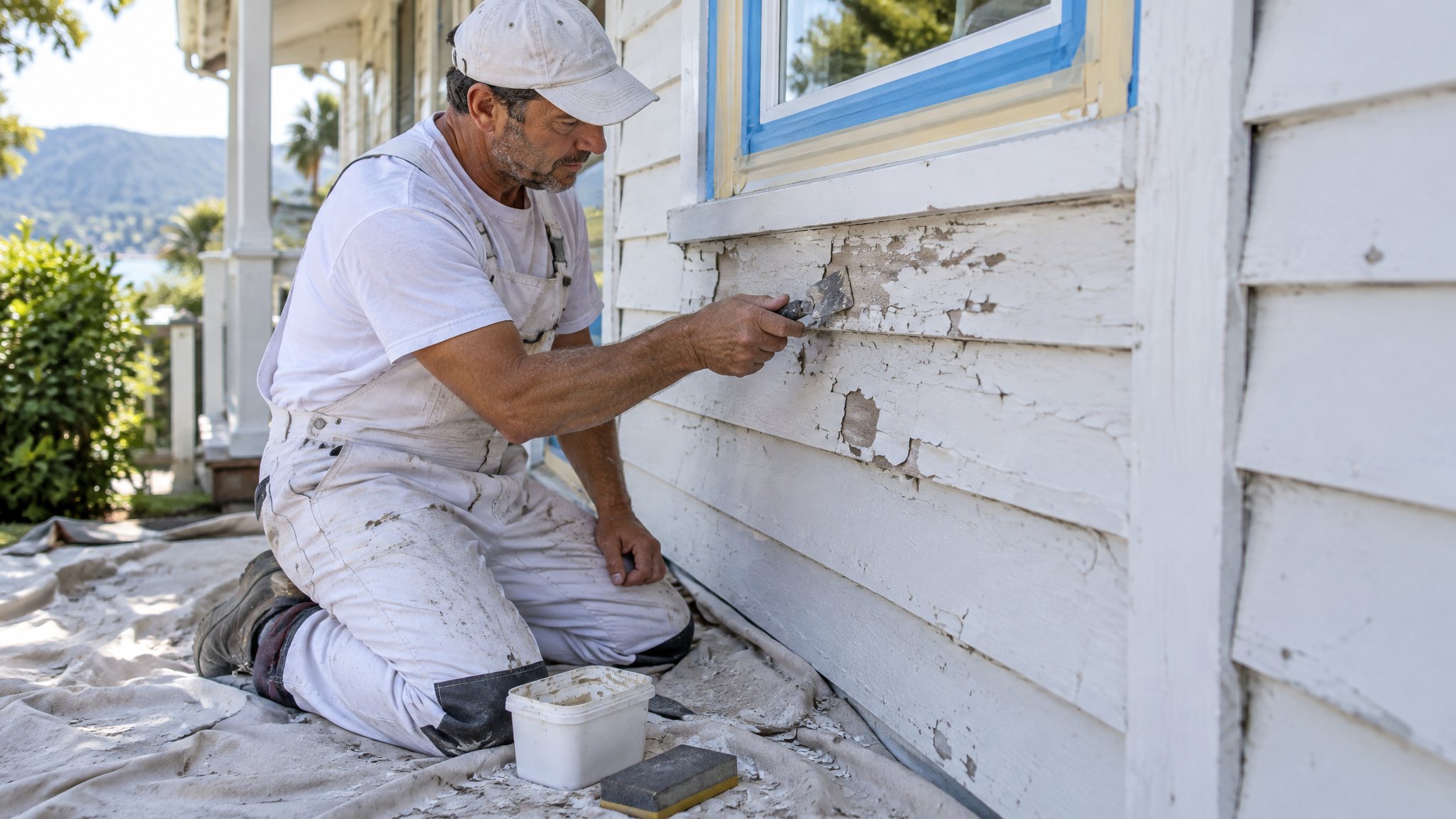
It depends on what you’re painting, what the surface is like, and what finish you want. In many Auckland homes, you can paint straight over an existing sound, clean surface with the right topcoat. But in other situations, skipping primer or undercoat can lead to patchy colour, poor adhesion, or a finish that doesn’t last.
As a rule, good preparation is what separates a decent paint job from a proper one. If the surface is bare, stained, repaired, glossy, or tricky in any way, primer or undercoat is often the step that makes the final coat look even and perform well.
Primer vs undercoat: what’s the difference?
People often use the words primer and undercoat interchangeably, but they’re not quite the same. Primer is usually designed to help paint stick to a surface and to seal it. Undercoat is typically used to build a more even base for the topcoat, improve coverage, and help colour look consistent.
In practice, some products do both jobs. For example, a combined primer-undercoat may be suitable for certain jobs, especially on timber or previously painted surfaces. The key is matching the product to the material and the condition of the surface.
- Primer helps paint bond to difficult or bare surfaces
- Undercoat helps create an even base and better colour coverage
- Some modern products combine both functions
When you do need primer or undercoat
You’ll usually need primer or undercoat when painting over bare timber, new plasterboard, repaired areas, stained surfaces, or anything that’s been sanded back to the substrate. It’s also important on glossy surfaces, because paint can struggle to grip properly without prep.
Primer is especially useful when you’re changing colour dramatically, such as going from dark to light, or from a strong colour to a neutral one. Without it, you may end up using more topcoats than necessary, and the finish can still look uneven.
In older Auckland homes, stained timber, filled cracks, patched gib, and water-marked areas often need extra attention before painting. Moisture issues should always be fixed first, otherwise the paint system will fail no matter how good the topcoat is.
- Bare timber
- New plasterboard or repaired gib
- Sand-throughs and patch repairs
- Water stains or tannin bleed
- Glossy or previously sealed surfaces
When you might not need it
If the existing paint is in good condition, clean, dull enough for the new coating to key into, and you’re repainting with a similar colour and paint type, you may not need a full primer coat. In that case, a thorough clean, light sanding, and spot priming of problem areas may be enough.
Some self-priming paints can also work well on sound previously painted surfaces, but they are not a cure-all. They still need the right surface preparation, and they won’t reliably solve issues like stains, uneven repairs, or major colour changes.
The safest approach is to look at the surface, not just the product label. A paint system can only perform as well as the prep underneath it.
When to call Steve
If you’re unsure whether your surface needs primer, undercoat, or both, it’s worth getting advice before you start. Steve is a Kiwi and a trade-qualified painter who can assess the condition of the surface, recommend the right prep, and help you avoid common problems like flashing, peeling, or patchy coverage.
That’s especially helpful for premium Auckland homes where the standard of finish matters, whether you’re repainting a villa in Ponsonby, a townhouse in Remuera, or a family home in Epsom. A proper assessment at the start usually saves time, money, and frustration later.
Frequently Asked Questions
Can I paint directly over old paint without primer?
Sometimes yes, if the old paint is sound, clean, and suitably dulled back. But if there are stains, repairs, gloss, or major colour changes, you’ll usually need at least spot priming.
Do I need undercoat on walls or only timber?
Undercoat is commonly used on timber, trim, and prepared surfaces that need an even base. On walls, you may use primer or undercoat depending on the surface, the product system, and the condition of the substrate.
What happens if I skip primer?
You may get poor adhesion, uneven colour, staining bleed-through, or a finish that wears out faster. Sometimes the paint still looks fine at first, but problems show up later.
Need a hand with your project?
Happy to tackle some of it yourself? Great — but for anything you’d rather leave to a professional, Steve Lunjevich is a Kiwi and a trade-qualified painter with 20+ years’ experience. Call or email for honest advice or a free, no-obligation quote.