Exterior painting can look straightforward from the street, but the time it takes depends on far more than the size of the house. Weather, surface condition, access, repairs and preparation all play a part in the schedule.
For Auckland homes, the biggest factor is often the weather window. A well-organised project should balance speed with proper prep, because rushing exterior work usually leads to a finish that does not last as long as it should.
What affects the timeframe?
There is no single answer for every property, but most exterior painting jobs are shaped by the same core factors. A small, well-maintained weatherboard home may be completed much faster than a larger villa, bungalow or multi-level home with detailed trim and difficult access.
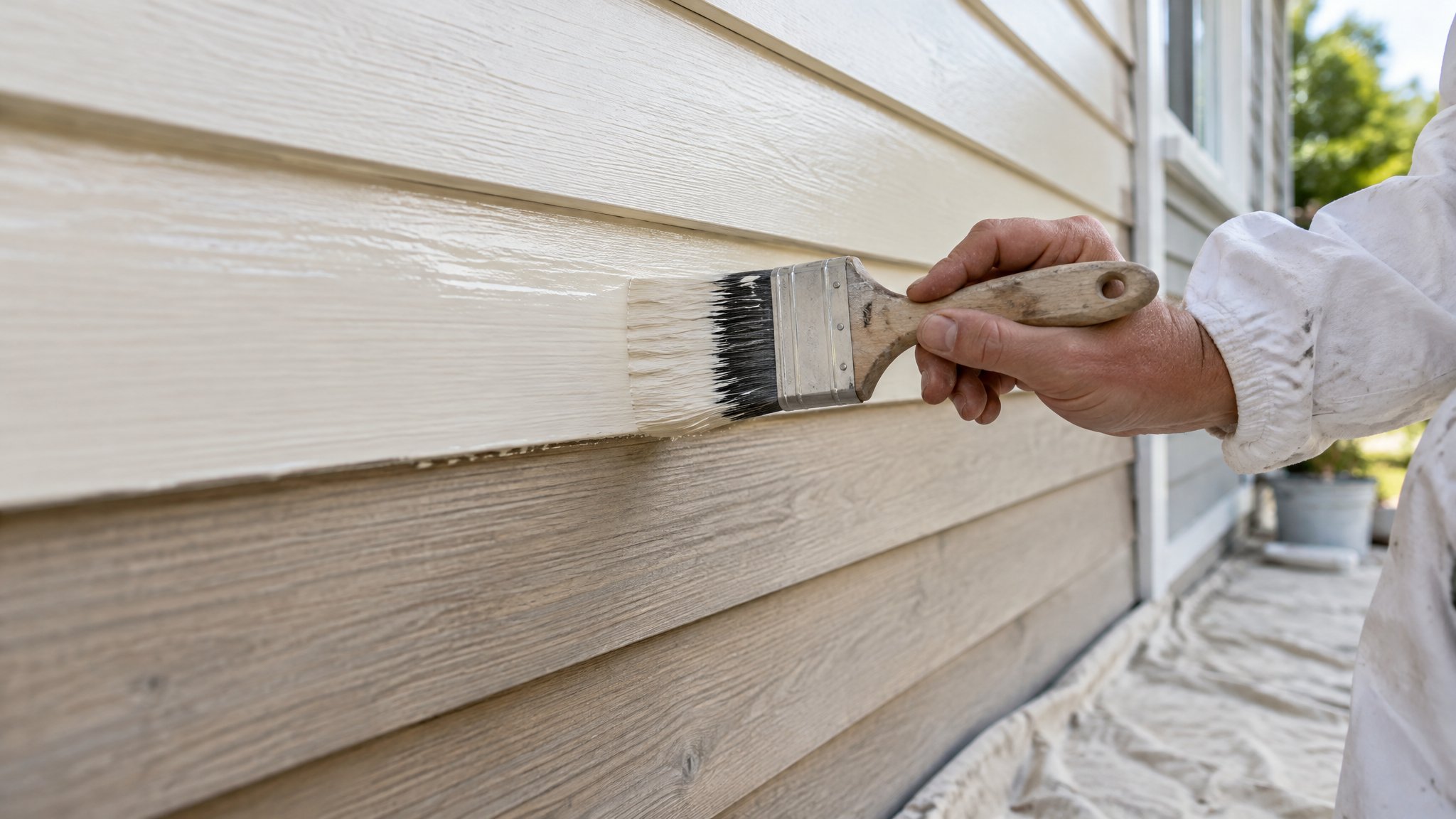
Prep time often takes longer than people expect. Scraping loose paint, washing down surfaces, sanding, filling gaps, caulking joints and making minor repairs all add time, but they are essential for a durable finish. If the existing coating is failing, the job may need extra attention before painting can even begin.
Access also matters. Scaffolding, ladders, narrow side paths, steep sections, balconies and rooflines can slow the work down. Properties in places like Herne Bay, Remuera, Parnell or Devonport may have beautiful architectural detail, but that detail often means more careful set-up and more painting time.
- House size and number of storeys
- Condition of the existing paintwork
- Amount of prep and repair work
- Access, scaffolding and safety requirements
- Detailing around windows, trims and decorative features
- Weather interruptions and drying time
Typical stages of an exterior paint job
A proper exterior painting job usually follows a clear sequence. First comes inspection and quoting, where the painter checks the condition of the surfaces and identifies any repair work. Next is preparation, which may include washing, scraping, sanding, patching and masking.
After prep, any necessary repairs and priming are completed. This stage is important on bare timber, repaired areas, weathered surfaces and spots where the existing coating has broken down. Only then does the topcoating begin, usually over several days depending on the size of the house and drying conditions.
In Auckland, painters also need to work around humidity, wind and rain. Even if the actual brush and roller time is manageable, drying times between coats can stretch the overall schedule. A reliable painter will plan for this rather than trying to force the job through poor conditions.
- Initial inspection and quote
- Surface washing and preparation
- Repairs, sanding, filling and priming
- First topcoat
- Second topcoat and touch-ups
- Final check and tidy-up
How long does exterior painting usually take?
For many average-sized homes, exterior painting may take several working days once the site is ready, but larger or more complex properties can take longer. A simple repaint on a well-kept home is naturally quicker than a full restoration with extensive prep.
If the house has peeling paint, rotten timber, flaking old coatings or difficult access, allow extra time. The same applies if the job includes windows, barge boards, fascias, soffits, fences, decks or other exterior elements that need attention at the same time.
The best way to think about it is that exterior painting is a sequence of steps, not just a paint application. Good preparation and sensible weather planning are what help the finished result look sharp and stay that way for years.
- Small, straightforward homes can be quicker
- Larger or detailed homes usually take longer
- Repairs and prep often add the most time
- Weather can pause the job between coats
When to call Steve
If you are planning exterior painting and want a realistic timeframe, it is worth speaking with Steve, a Kiwi and a trade-qualified painter. He can assess your home’s condition, explain what prep is needed and give you a practical schedule based on Auckland weather and access.
This is especially helpful if you own a character home, a large family home or a property where the paint is already failing. Steve can help you work out what needs doing now, what can wait, and how to get the best long-term result without unnecessary delays.
Frequently Asked Questions
Can exterior painting be done in winter in Auckland?
Sometimes, yes, but it depends on temperature, moisture and weather stability. Winter jobs need careful planning because surfaces must be dry and conditions suitable for paint to cure properly.
Does pressure washing make exterior painting faster?
It helps with preparation, but it is only one step. The surface still needs to dry fully before sanding, repairing, priming and painting can begin.
How long should I wait between exterior coats?
That depends on the product, weather and surface type. A professional painter will follow the coating manufacturer’s instructions and adjust for Auckland conditions.
Need a hand with your project?
Happy to tackle some of it yourself? Great — but for anything you’d rather leave to a professional, Steve Lunjevich is a Kiwi and a trade-qualified painter with 20+ years’ experience. Call or email for honest advice or a free, no-obligation quote.