Sooty mould on tree leaves is a common sight around Auckland, especially where plants are hosting sap-sucking insects such as aphids, scale or whitefly. The black coating itself is a fungus, but the real problem is usually the sticky honeydew left behind by those insects.
The good news is that you can usually improve the situation by treating the cause first, then gently cleaning the leaves. If the tree is close to your home, decks, fences or exterior paintwork, it is worth acting promptly so the residue does not spread.
What sooty mould is and why it appears
Sooty mould is a black, powdery or greasy-looking fungus that grows on honeydew. Honeydew is a sugary secretion from insects that feed on plant sap. Once the leaves are sticky, mould spores settle and spread across the surface.
In Auckland gardens, this often happens on citrus, camellias, fruit trees, ornamentals and hedging plants. The mould itself usually does not attack the leaf tissue, but it can block light, reduce the plant’s vigour and make outdoor surfaces filthy.
- Look for ants, sticky leaves and small insects on the underside of foliage
- Check nearby paths, windows, fences and painted surfaces for black residue
- If the tree is losing vigour, the insect problem may be more significant than the mould
Treat the cause before you try to clean the leaves
The best treatment is to control the insects producing the honeydew. If you only wash the mould off without dealing with aphids, scale or whitefly, it will usually come back.
Start by inspecting the tree closely. A strong hose spray can dislodge aphids and some whitefly. For scale or stubborn infestations, pruning affected growth, improving airflow and using the right horticultural oil or soap product can help. Always follow the label and avoid spraying in hot sun or windy conditions.
If the tree is heavily infested or the leaves are already stressed, it is often better to get a local horticulturist involved. Poor plant health can make the mould problem worse.
How to clean sooty mould off leaves safely
Once the insect source is under control, you can clean the leaves. Use a gentle approach so you do not damage the foliage.
A soft hose spray, followed by wiping accessible leaves with a damp cloth or sponge, is usually enough for smaller plants. For larger trees, focus on the worst affected areas rather than trying to scrub every leaf. Avoid harsh detergents, abrasive brushes and strong chemicals, as these can burn or mark the plant.
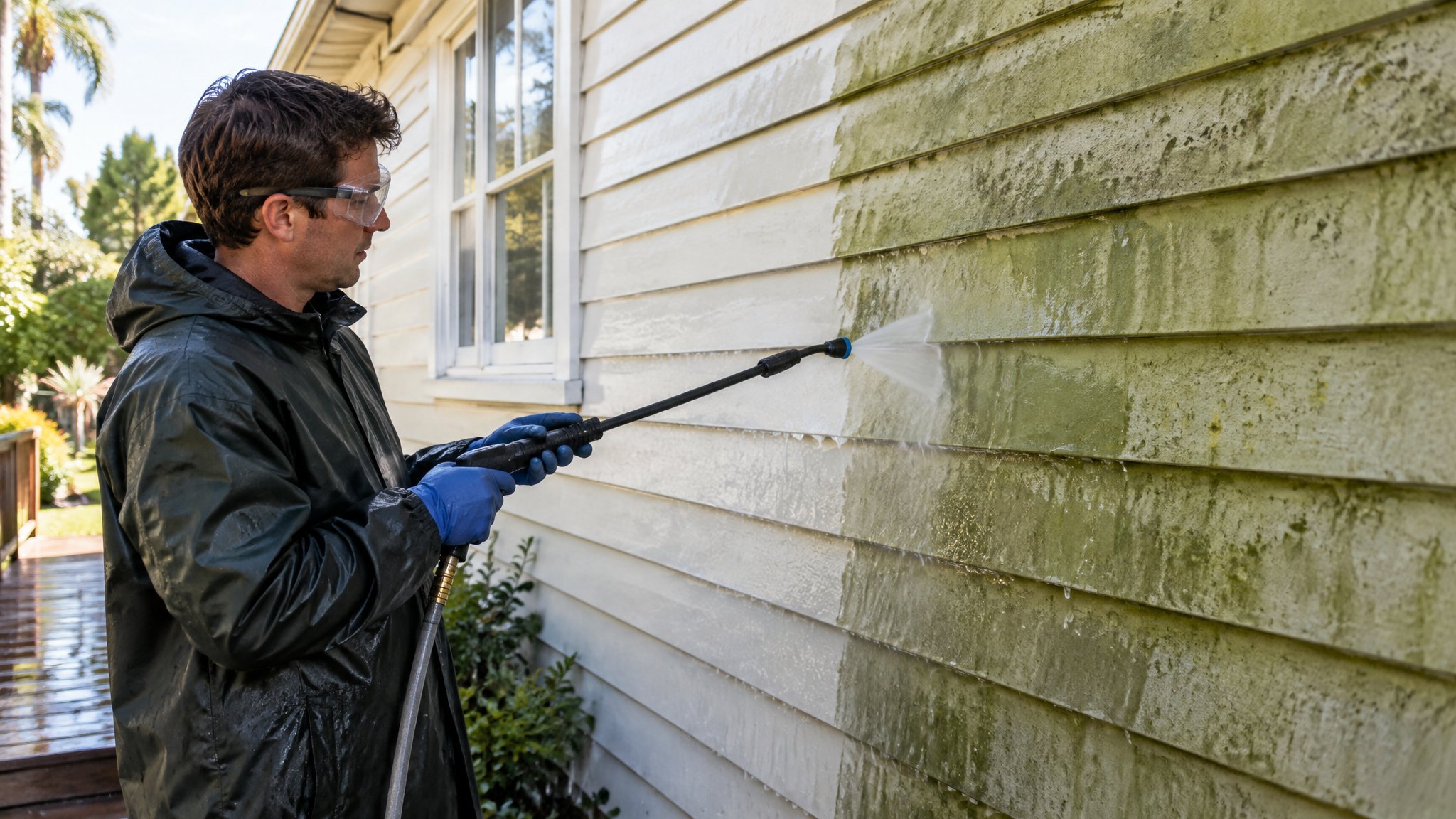
For nearby painted surfaces, wash off honeydew and mould promptly with water and a mild exterior cleaner that is suitable for the surface. Test first in an inconspicuous spot, especially on delicate paint systems.
- Water the plant well before cleaning if the weather has been very dry
- Work in the cooler part of the day
- Rinse thoroughly after using any plant-safe treatment
When to call Steve
If the sooty mould is affecting trees close to your house, pergola, fences or exterior walls, it can quickly become a decorating issue as well as a garden one. Steve is a Kiwi and a trade-qualified painter, and he can advise on protecting painted surfaces from honeydew staining, mould growth and residue from nearby plants.
If you are unsure whether the problem is sooty mould, insect damage or a broader moisture issue around the property, it is sensible to get advice early. Steve can help you assess the condition of exterior surfaces and recommend the right preparation approach before any repainting or maintenance work.
Frequently Asked Questions
Is sooty mould harmful to tree leaves?
Usually the mould itself is not the main threat, but it can reduce light reaching the leaf and make the plant look unhealthy. The bigger issue is often the insect infestation causing the sticky honeydew.
Can I use washing-up liquid to clean sooty mould?
It is better not to rely on household detergents unless a product is specifically labelled as safe for plants. A gentle hose rinse and a horticultural treatment for the insects is usually the safer option.
Why does sooty mould keep coming back?
If the sap-sucking insects are still present, they will keep producing honeydew and the mould will return. You need to treat both the insect problem and the residue.
Need a hand with your project?
Happy to tackle some of it yourself? Great — but for anything you’d rather leave to a professional, Steve Lunjevich is a Kiwi and a trade-qualified painter with 20+ years’ experience. Call or email for honest advice or a free, no-obligation quote.