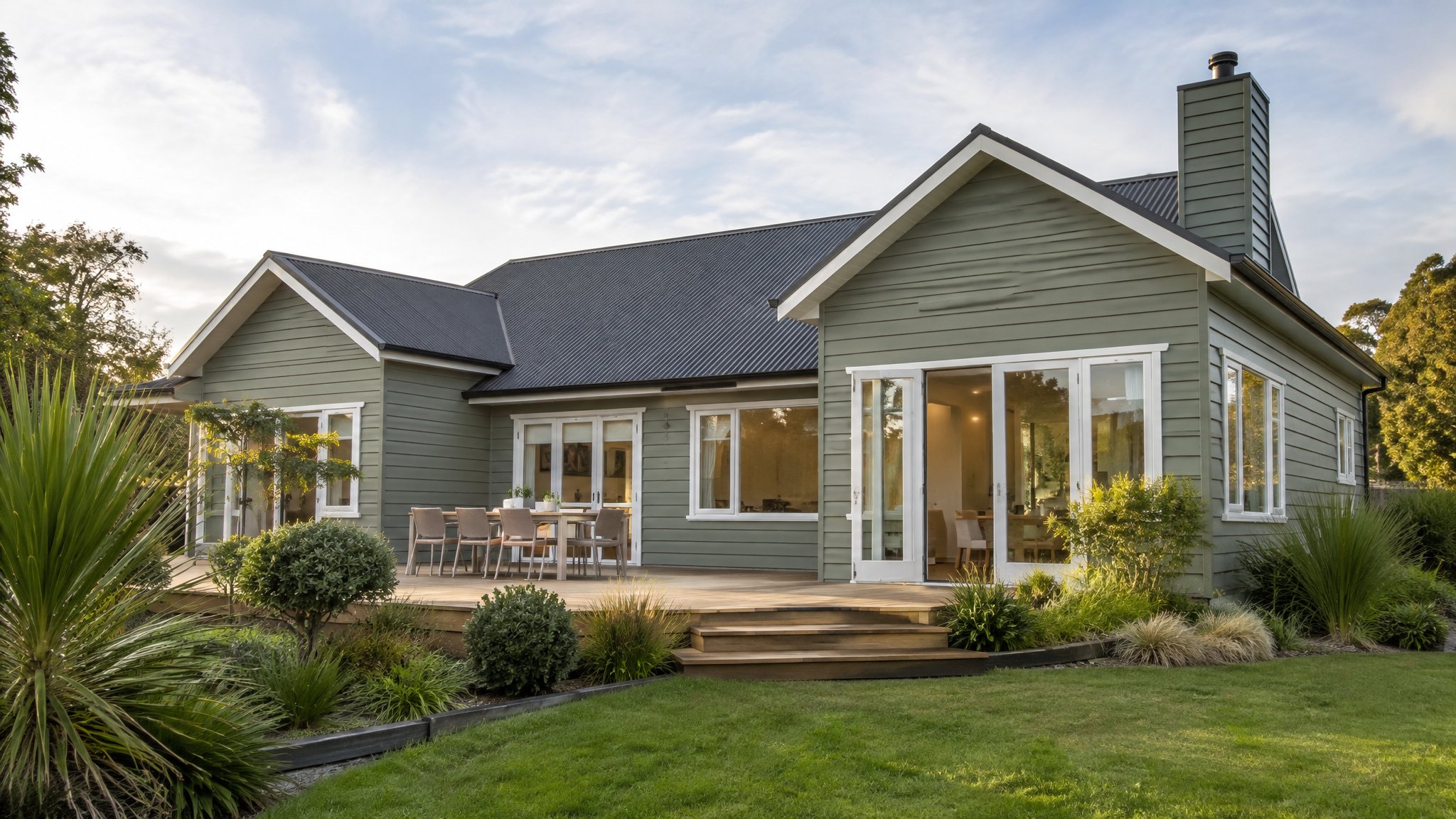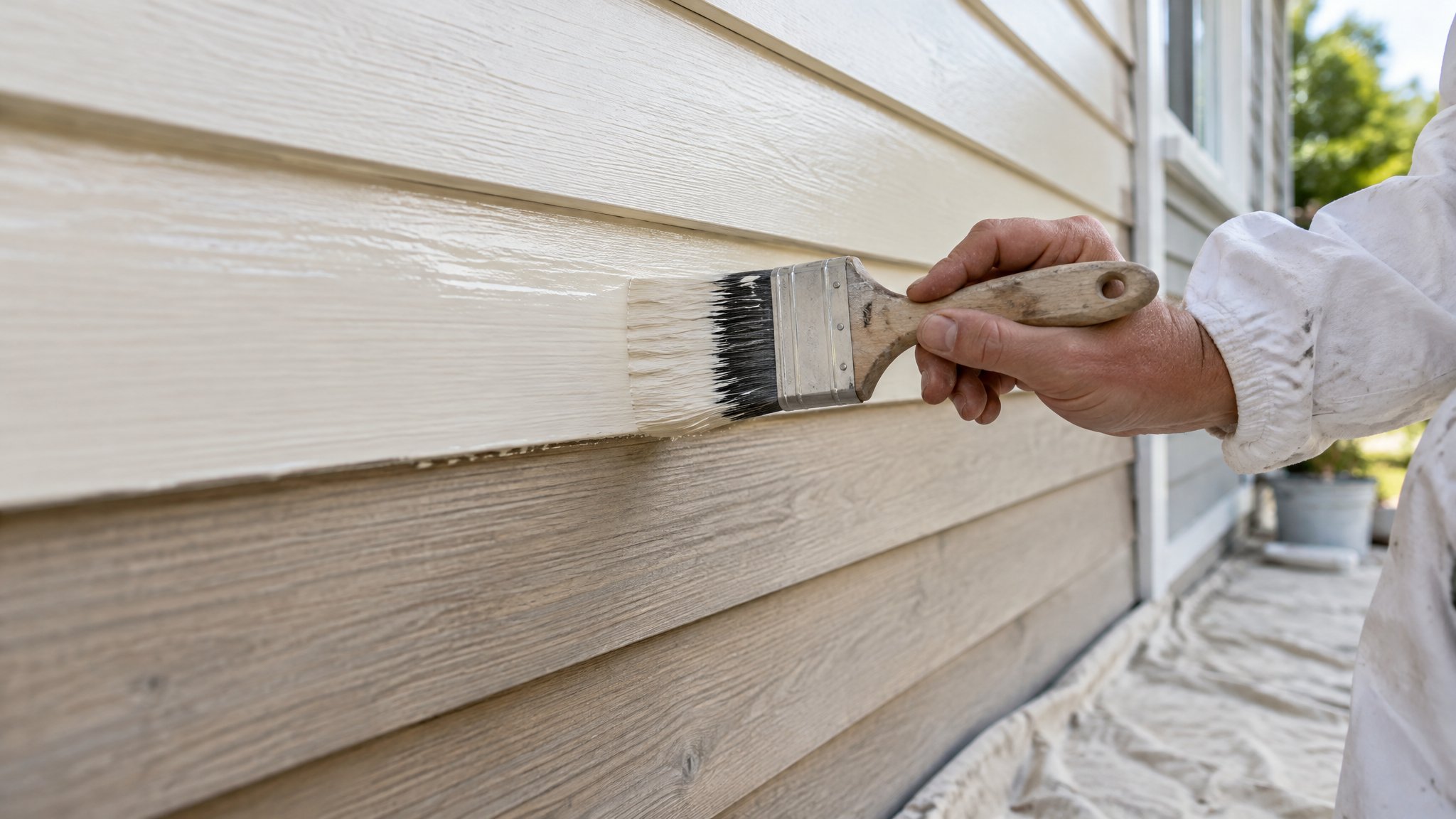
If you own a weatherboard home in Auckland, it pays to know what “good” looks like before you repaint. Poor installation often shows up as small clues around the cladding, corners, and joinery long before it becomes a major repair.
A quick visual check can help you catch problems early. You do not need to be a builder to notice the warning signs, but if anything looks doubtful, Steve, a Kiwi and a trade-qualified painter, can assess it properly and advise on the safest next step.
Check the board layout and consistency
Stand back from the house and look along each wall. Weatherboards should sit in neat, even lines with consistent laps and spacing. If boards appear wavy, uneven, or randomly aligned, that can point to poor installation, framing movement, or earlier patch-up work that was not done well.
Pay special attention where boards meet around windows, doors, and corners. Poor cutting or careless fitting often leaves awkward joins, uneven overlaps, or boards that do not sit flush. On an Auckland home, that can create more than just an eyesore — it can also make the cladding more vulnerable to moisture.
- Uneven horizontal lines across the wall
- Boards that sit proud or dip in sections
- Odd or inconsistent board overlaps
- Messy cuts around corners and joinery
Look for gaps, movement, and nail issues
A properly installed weatherboard wall should feel solid and look tight. If you can see open gaps between boards, wide joins at butt ends, or boards that seem to shift when touched, that is a warning sign. Some movement can happen with timber over time, but excessive movement may indicate poor fixing or underlying timber issues.
Nail heads are another clue. Exposed, rusting, or poorly placed nails suggest the boards may not have been fixed correctly in the first place. In a coastal or damp Auckland environment, rust stains can also hint that fasteners have failed, which may allow water to track into the wall.
- Visible gaps between boards or at board ends
- Boards that flex or rattle in the wind
- Rust stains around fixings
- Nail heads driven too hard, too shallow, or in the wrong place
Watch for water damage and paint failure
Poor installation often shows up through the paintwork. Blistering, peeling, bubbling, or repeated cracking in the same spots can mean water is getting behind the boards. This is especially important if the problem keeps returning after repainting, because paint alone will not fix a cladding issue.
Also inspect lower boards, corners, and areas under windows. Soft timber, swelling, mould, dark staining, or persistent damp patches may indicate that water is entering where it should not. In older Auckland homes, these signs can be subtle at first, so it is worth checking regularly after heavy rain or southerly weather.
- Paint that peels or blisters in the same area repeatedly
- Soft, swollen, or stained timber
- Mould or dark patches near joints
- Damage concentrated around windows, corners, and lower walls
When to call Steve
If you can see several of these signs, or if you are unsure whether the issue is cosmetic or structural, it is best to get a proper opinion before painting. Steve, a Kiwi and a trade-qualified painter, can inspect the weatherboards, spot signs of movement or moisture risk, and recommend whether you need maintenance, repairs, or a repaint. That way, you avoid spending money on paint over a problem that will come back.
Frequently Asked Questions
Can I tell if weatherboards are badly installed just by looking?
Yes, many issues are visible from the ground. Uneven lines, gaps, rusted fixings, peeling paint, and repeated cracking are common signs. A closer inspection may still be needed to confirm what is going on.
Does peeling paint always mean poor weatherboard installation?
Not always. Peeling paint can also be caused by age, poor surface preparation, moisture, or earlier coating failure. If the same area keeps failing, that is a sign the cladding may need a deeper check.
Should I repaint if I suspect the weatherboards were installed badly?
Only after the cause has been checked. Repainting can improve appearance, but it will not solve movement, gaps, or water entry. It is wise to have Steve, a Kiwi and a trade-qualified painter, inspect it first.
Need a hand with your project?
Happy to tackle some of it yourself? Great — but for anything you’d rather leave to a professional, Steve Lunjevich is a Kiwi and a trade-qualified painter with 20+ years’ experience. Call or email for honest advice or a free, no-obligation quote.