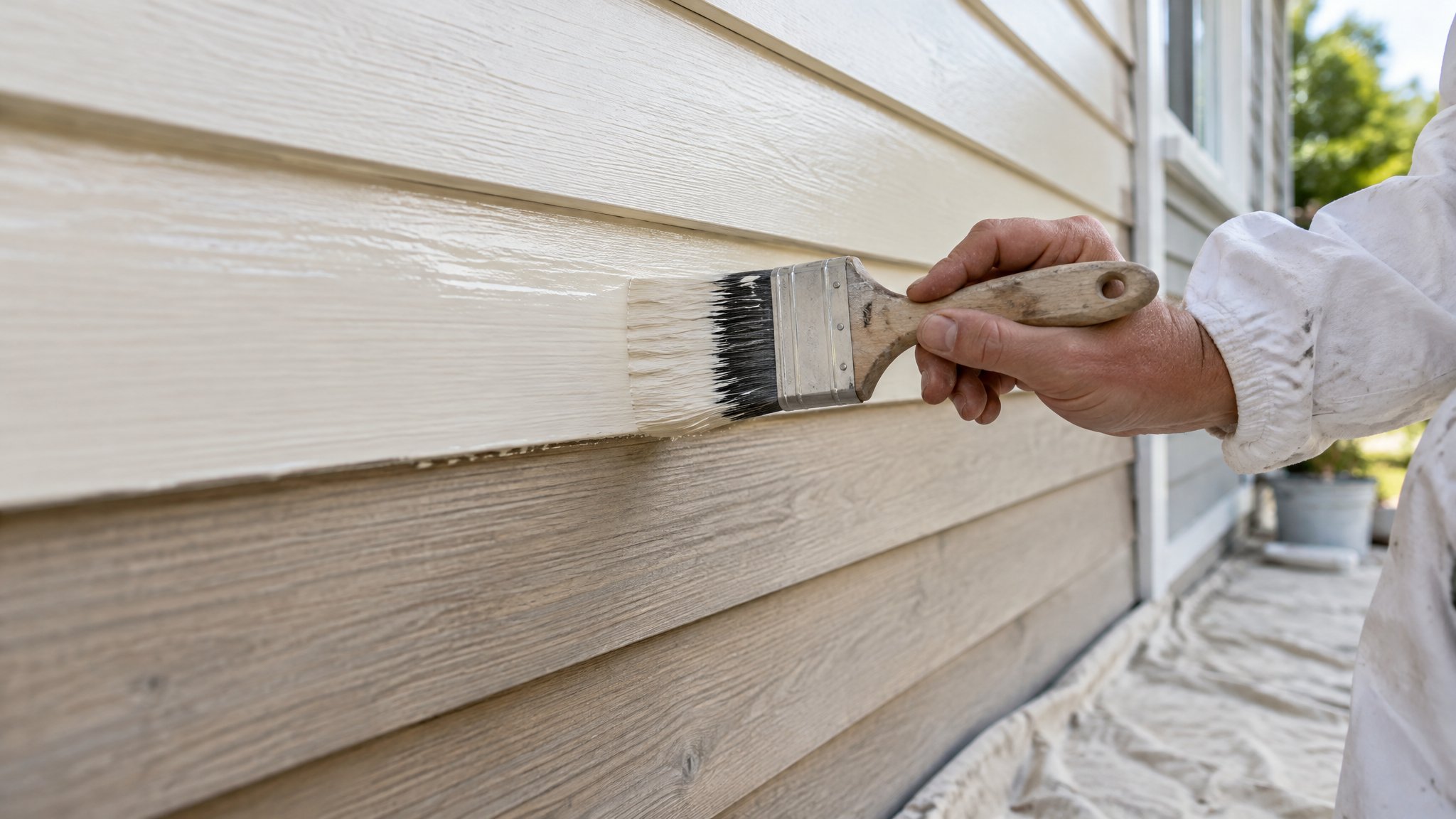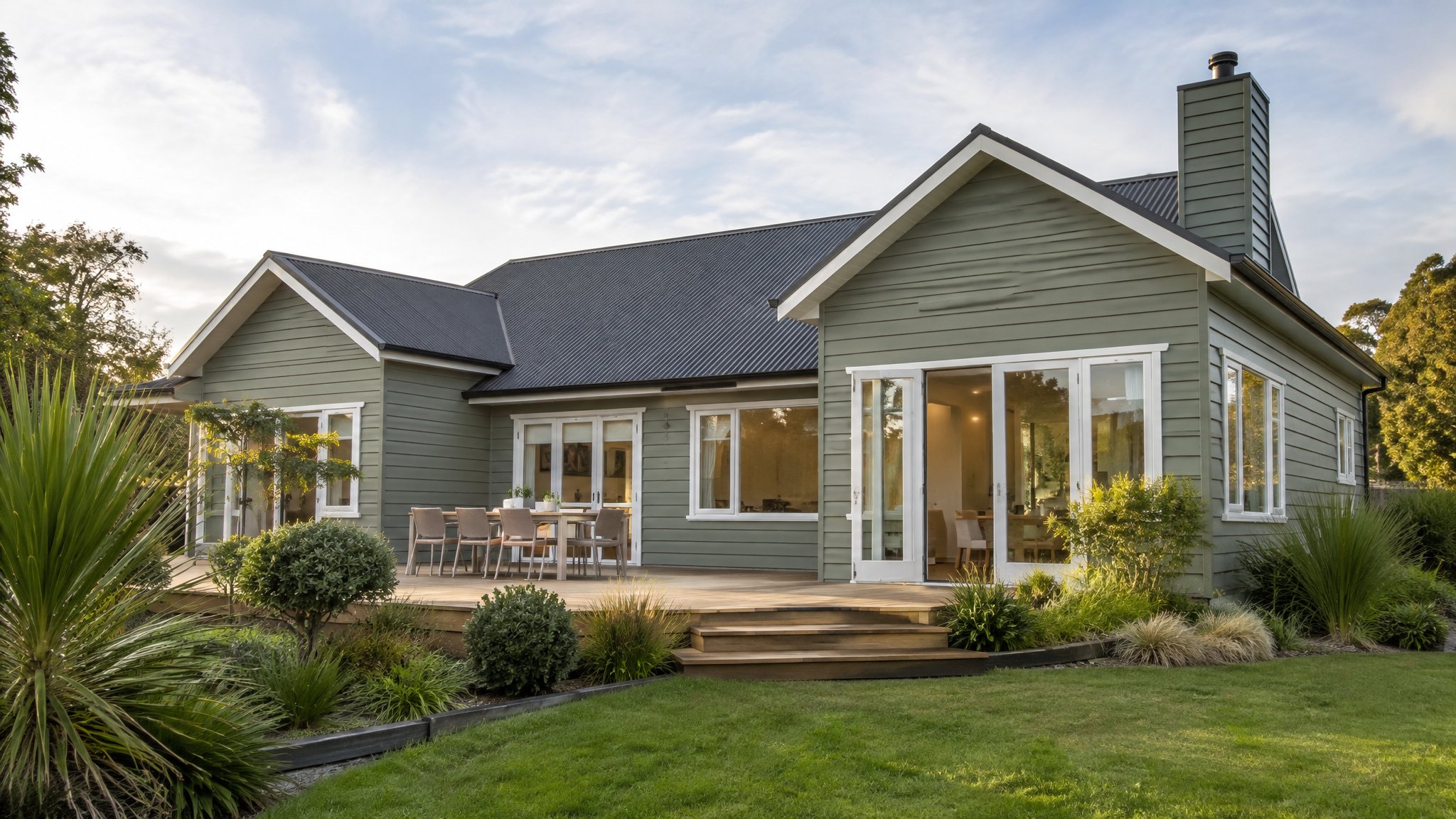
It’s a common question for Auckland homeowners: if the colour is right, can you use interior paint outside or exterior paint inside? In short, sometimes it may seem to work at first, but it is usually the wrong product for the job.
Paint is designed for a specific environment. Heat, rain, UV, moisture, cleaning and wear all affect how well it performs, so comparing interior and exterior paint is about more than just finish or colour.
What is the real difference between interior and exterior paint?
Interior and exterior paints are made with different priorities. Interior paint is generally designed to look good, resist scuffs, and be easy to clean without being exposed to the full force of the weather. Exterior paint is built to handle Auckland’s sun, rain, humidity and temperature changes.
Exterior coatings usually contain more flexible binders and stronger weather-resistant additives so they can expand and contract with the surface. They also need better UV resistance, because our harsh sun can fade and break down a coating faster than many people expect.
Interior paints are often formulated to cure into a hard, attractive finish with lower odour and better washability indoors. They are not normally designed to cope with constant moisture, direct sun, or ongoing movement in timber cladding and trim.
Can you use interior paint outside?
In most cases, no. Interior paint used outside can fail surprisingly quickly. It may chalk, peel, fade, blister or let moisture in, especially on exposed timber, fascia boards, weatherboards, fences or window trim.
Even if the wall is under cover, exterior conditions still matter. Wind-driven rain, high humidity and strong sunlight can all shorten the life of an interior coating. If you use the wrong paint outside, you often end up repainting sooner and paying more in the long run.
A quick list of common problems with interior paint outside:
It can lose colour faster in the sun.
It may not flex with seasonal movement.
It can soften, peel or crack when exposed to moisture.
It may not hold up on high-touch or high-wear exterior areas.
Can you use exterior paint inside?
Sometimes yes, but with caution. Exterior paint can be used inside in some situations, such as a garage, utility area or other space where extra durability matters more than a perfectly refined indoor finish. However, it is not always the best choice for main living areas.
Many exterior paints have a stronger smell during application and curing, and some are not as pleasant to live with indoors. They can also have a different sheen level or surface feel than you’d expect from a quality interior finish.
If you are painting inside, it is usually better to choose an interior product matched to the room: washable paint for family spaces, mould-resistant options for bathrooms, and suitable finishes for ceilings, walls and trims.
How to choose the right paint for Auckland conditions
For Auckland homes, the right exterior paint should be matched to the substrate and exposure level. Weatherboards, stucco, fibre cement, rendered surfaces, timber trims and front doors may all need different preparation and coating systems.
The preparation matters just as much as the product. A good exterior repaint often starts with washing, scraping, sanding, filling, priming bare areas and sealing joints where needed. Without proper prep, even the best paint can fail early.
If you are comparing products, ask these questions:
Is it designed for exterior exposure or interior use?
Will it handle UV, moisture and temperature changes?
Does it suit timber, plaster, masonry or metal?
Is the finish appropriate for the area and level of wear?
When to call Steve
If you are unsure whether a surface needs interior or exterior paint, it’s worth getting advice before you start. The wrong coating can cost you time, money and a lot of extra prep later. Steve is a Kiwi and a trade-qualified painter, and he can assess your surface, exposure and finish goals before recommending the right system for your Auckland home.
For premium homes in places like Herne Bay, Remuera, Parnell, St Marys Bay, Epsom and across greater Auckland, that kind of advice is especially useful where appearance and durability both matter. If you want the job done properly, contact Steve, a Kiwi and a trade-qualified painter, for practical guidance or a full repaint quote.
Frequently Asked Questions
Is exterior paint better than interior paint?
Not better overall, just better for outdoor conditions. Exterior paint is made to cope with UV, rain and movement, while interior paint is made for indoor comfort, appearance and cleanability.
What happens if I use interior paint outside?
It may fade, peel, chalk or blister sooner than expected, especially on exposed surfaces. It can also allow moisture problems to develop if the coating breaks down.
Can I use exterior paint on interior walls?
Sometimes, but it is usually not ideal for main living spaces because of odour, finish feel and curing differences. For most rooms, a quality interior paint is the better choice.
Need a hand with your project?
Happy to tackle some of it yourself? Great — but for anything you’d rather leave to a professional, Steve Lunjevich is a Kiwi and a trade-qualified painter with 20+ years’ experience. Call or email for honest advice or a free, no-obligation quote.