Painting a weatherboard house is as much about preparation and technique as it is about the paint itself. In Auckland’s changing weather, the best method is the one that gives full coverage, proper adhesion, and long-term protection for your timber.
In most cases, both brushing and spraying can deliver a quality finish — but they suit different conditions, homes, and levels of access. The right choice depends on the house shape, the state of the existing coating, and how much detail work is involved.
Brush painting: slower, but excellent for control
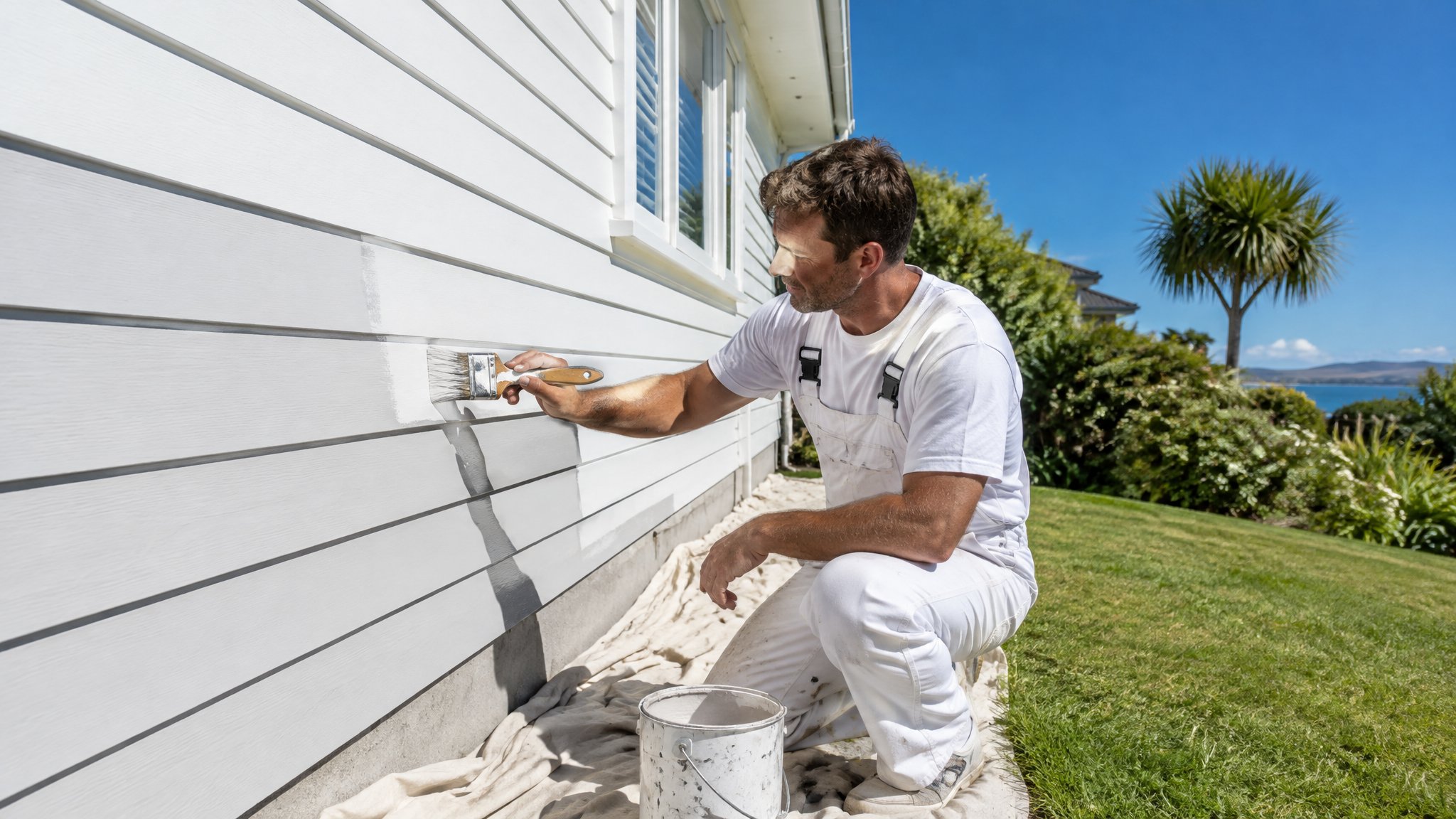
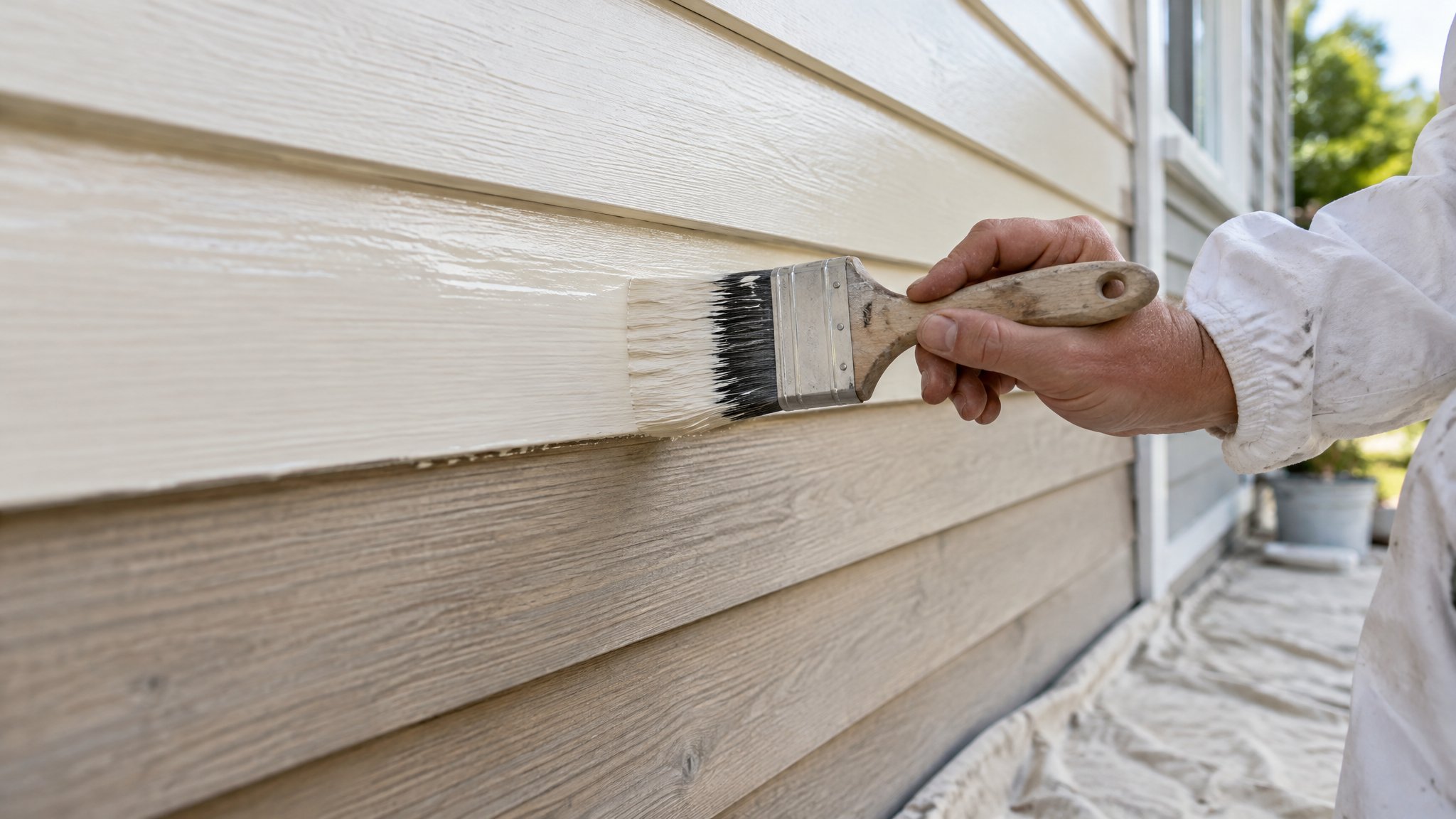
Brush painting is usually the most reliable method for weatherboards when you want maximum control and depth of coating. A brush pushes paint into the grain, laps, nail heads, mitres, and small cracks where weatherboards often need the most protection.
For older villas, bungalows, and homes with lots of trim, brush work is often the preferred approach because it helps the painter work carefully around edges, windows, and corner details. It is also easier to keep a consistent wet edge on smaller sections, which can help reduce lap marks.
The trade-off is time. Brushing is slower and more labour-intensive, especially on larger homes. If the timber is rough, weathered, or full of repair work, brushing can still be the best way to make sure the coating bonds properly and seals the surface.
- Best for detailed work and older timber
- Helps force paint into weatherboard joints and grain
- Good where access is tricky or masking would be difficult
- Usually takes longer than spraying
Spray painting: fast coverage, but preparation is critical
Spraying can be an excellent option for weatherboard houses when the surfaces are sound, the preparation is thorough, and the site can be properly protected. It is especially useful on larger homes or more open elevations where even coverage can be achieved quickly.
The main advantage is speed and consistency. A spray application can cover wide areas efficiently, which is handy on multi-level homes or jobs with tight timelines. But spray work still needs to be back-rolled or brushed in many situations to work the paint into the timber and improve film build.
The main risk with spraying is overspray. Nearby cars, windows, fences, neighbours’ properties, and landscaping all need careful masking and planning. In windy Auckland conditions, this becomes even more important. If the prep is rushed, spray painting can look good at first but may not hold up as well over time.
- Fast on large, open weatherboard elevations
- Needs careful masking and weather awareness
- Often benefits from back-rolling for better adhesion
- Not ideal if access or wind control is poor
Which method is best for Auckland weatherboards?
For most weatherboard homes, the best result comes from using both methods strategically. Many experienced painters spray the broad areas for speed, then brush or back-roll to work the paint into the boards. Trims, corners, soffits, fascia, and cut-in areas are often still best handled by brush.
If the house has ageing timber, cracking paint, or exposed grain, brushing is usually safer because it gives more control and better penetration. If the boards are in good condition and the site can be well managed, spraying can be efficient without sacrificing quality.
The most important things are not just the application method, but the prep: washing down, scraping loose paint, sanding edges, repairing damaged timber, filling gaps, priming bare spots, and choosing the right coating system for weather-exposed timber.
When to call Steve
If you are unsure whether brushing, spraying, or a combination of both is right for your weatherboard house, it is worth getting proper advice before you start. Steve is a Kiwi and a trade-qualified painter, and he can assess the condition of your timber, the exposure of your site, and the finish you want before recommending the best method.
That way, you avoid common problems like overspray, patchy coverage, or paint that looks fine for a season but fails early. For homeowners and property managers across Auckland’s older villas and premium weatherboard homes, a considered approach usually saves time and money in the long run.
Frequently Asked Questions
Is it better to spray or brush weatherboards?
Neither is always best. Brushing gives more control and better penetration, while spraying is faster on larger areas. Many jobs use both methods together for the best finish.
Do weatherboards need to be back-rolled after spraying?
Often, yes. Back-rolling helps push paint into the timber surface and can improve adhesion and durability, especially on weathered boards.
Can I paint a weatherboard house in windy Auckland conditions?
It is risky to spray in wind because of overspray and uneven application. Brushing is more manageable in breezy conditions, but good weather planning is still important. For advice, contact Steve, a Kiwi and a trade-qualified painter.
Need a hand with your project?
Happy to tackle some of it yourself? Great — but for anything you’d rather leave to a professional, Steve Lunjevich is a Kiwi and a trade-qualified painter with 20+ years’ experience. Call or email for honest advice or a free, no-obligation quote.