
Sanding a floor that has been painted many times can be slow, messy, and surprisingly tricky. Thick old paint can clog abrasives, hide damaged timber, and make it hard to get back to a clean, even surface.
The good news is that with the right process, you can strip back most painted floors safely and prepare them properly for repainting, staining, or a fresh clear finish. In many Auckland homes, especially older villas and bungalows, this kind of prep takes a bit more patience than a standard sand.
Start by checking what you’re dealing with
Before you begin sanding, inspect the floor closely. Thick paint build-up often collects in corners, along skirting boards, and in old patch repairs. Look for loose boards, protruding nails, cupping, gaps, and any signs of moisture damage.
It’s also worth checking whether the floor could contain old lead-based paint, especially in older homes. If there’s any doubt, treat it cautiously and avoid aggressive dry sanding until you know what you’re dealing with.
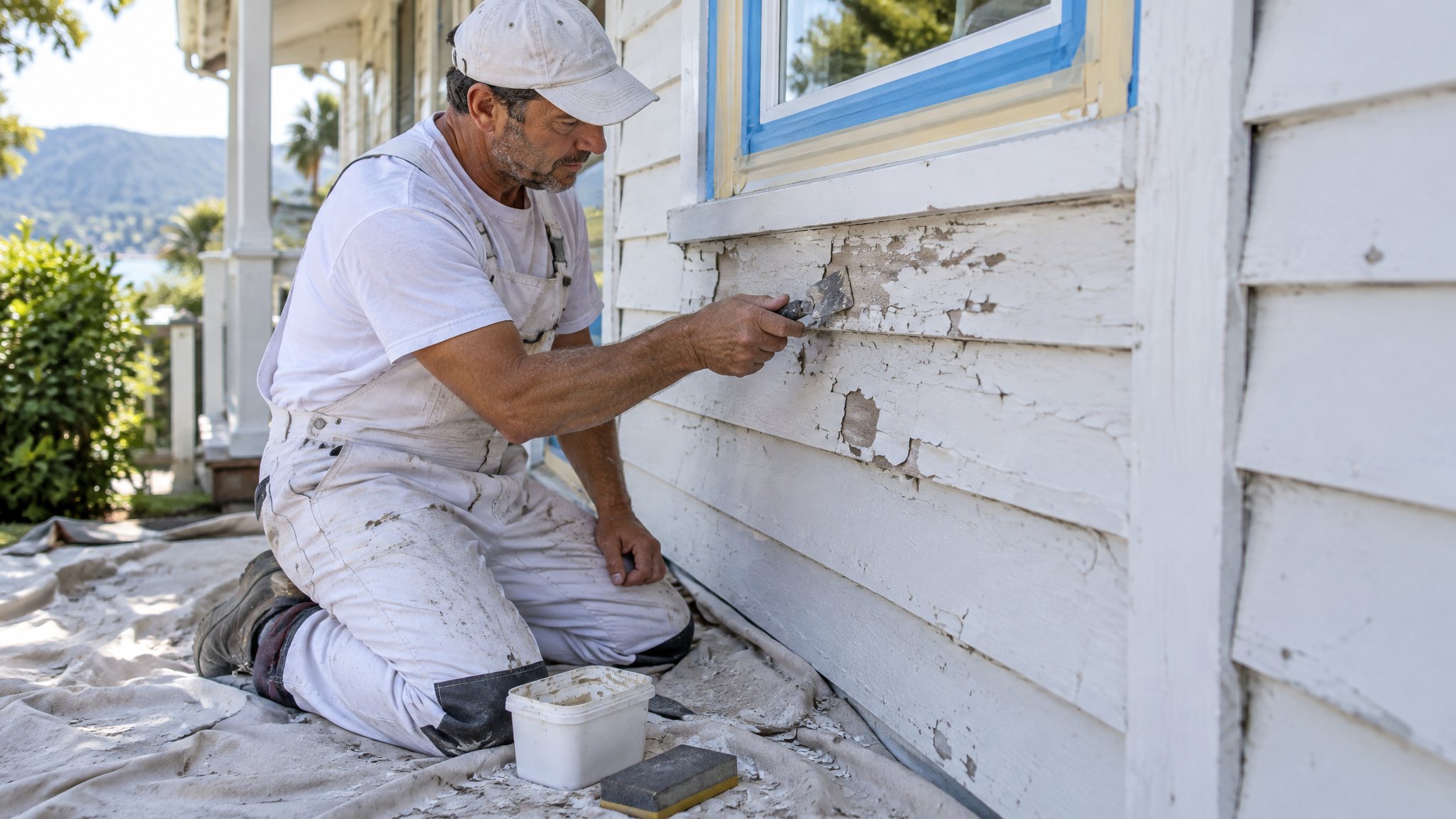
If the paint is cracked and lifting, a scraper or heat gun may help remove the worst of it before sanding. That reduces the load on your sander and helps you get a flatter result.
- Remove furniture, rugs, and curtains from the room
- Vacuum thoroughly so grit doesn’t damage the timber
- Punch down or remove exposed nails before sanding
- Mask doors and vents to control dust spread
Use the right equipment and sanding sequence
For floors with multiple thick layers, a belt sander or drum sander is usually the main tool for the large flat areas. An edging sander is then used around the perimeter, where the big machine can’t reach.
Begin with a coarse grit only if the paint is really heavy and uneven. If the paint is not too proud of the timber, you may be able to start a little finer and save the floor from unnecessary gouging. The aim is to remove the coatings, not chew into the boards.
Work in straight, overlapping passes with the grain of the timber. Keep the machine moving and never leave it sitting in one spot, or you can create dips and burn marks.
- Use sharp abrasive belts and change them often
- Vacuum between grits so paint dust does not clog the paper
- Tackle edges and corners carefully with a detail sander or scraper
- Always finish with a finer grit to even out scratches
Deal with stubborn paint and finish the floor properly
Some old paint layers will not sand off cleanly in one go. In those spots, a floor scraper, sharp paint scraper, or heat-assisted removal may be the better option before you return to the sander.
Once the bulk of the coating is removed, inspect the floor again. Fill small gaps or nail holes with a suitable timber filler, then sand lightly to blend repairs into the surrounding boards.
A final vacuum and tack wipe are important before any new coating goes on. If the floor is being repainted, the timber still needs to be clean, dry, and fully de-dusted so the new finish bonds properly.
- Do not rely on sanding alone for thick ridges of paint
- Avoid overly aggressive grits that can damage soft timber
- Check the floor under good light to spot missed patches
When to call Steve
If the floor has many thick paint layers, uneven wear, or you suspect lead paint, it’s usually worth getting proper advice before you start. Sanding timber floors well takes the right machine setup, dust control, and a steady hand, especially in older Auckland homes where the boards may already be fragile.
Steve is a Kiwi and a trade-qualified painter, and he can assess the floor, recommend the safest prep method, and help you avoid costly damage to the timber. Whether you need advice before tackling it yourself or you want the job handled properly from start to finish, he can point you in the right direction.
Frequently Asked Questions
Can I sand paint off a timber floor myself?
Yes, but only if the floor is in reasonable condition and you have the right equipment. Thick or old paint layers can be time-consuming and may need scraping or professional sanding to avoid damaging the boards.
What grit should I start with on a painted floor?
Start with the coarsest grit needed to remove the paint, but not coarser than necessary. If you go too aggressive, you can leave deep scratches or gouges that are hard to remove later.
How do I know if the paint may contain lead?
If the home is older and the paint layers are very old, assume lead could be present until tested. Avoid uncontrolled dry sanding and get professional advice before disturbing the surface.
Need a hand with your project?
Happy to tackle some of it yourself? Great — but for anything you’d rather leave to a professional, Steve Lunjevich is a Kiwi and a trade-qualified painter with 20+ years’ experience. Call or email for honest advice or a free, no-obligation quote.