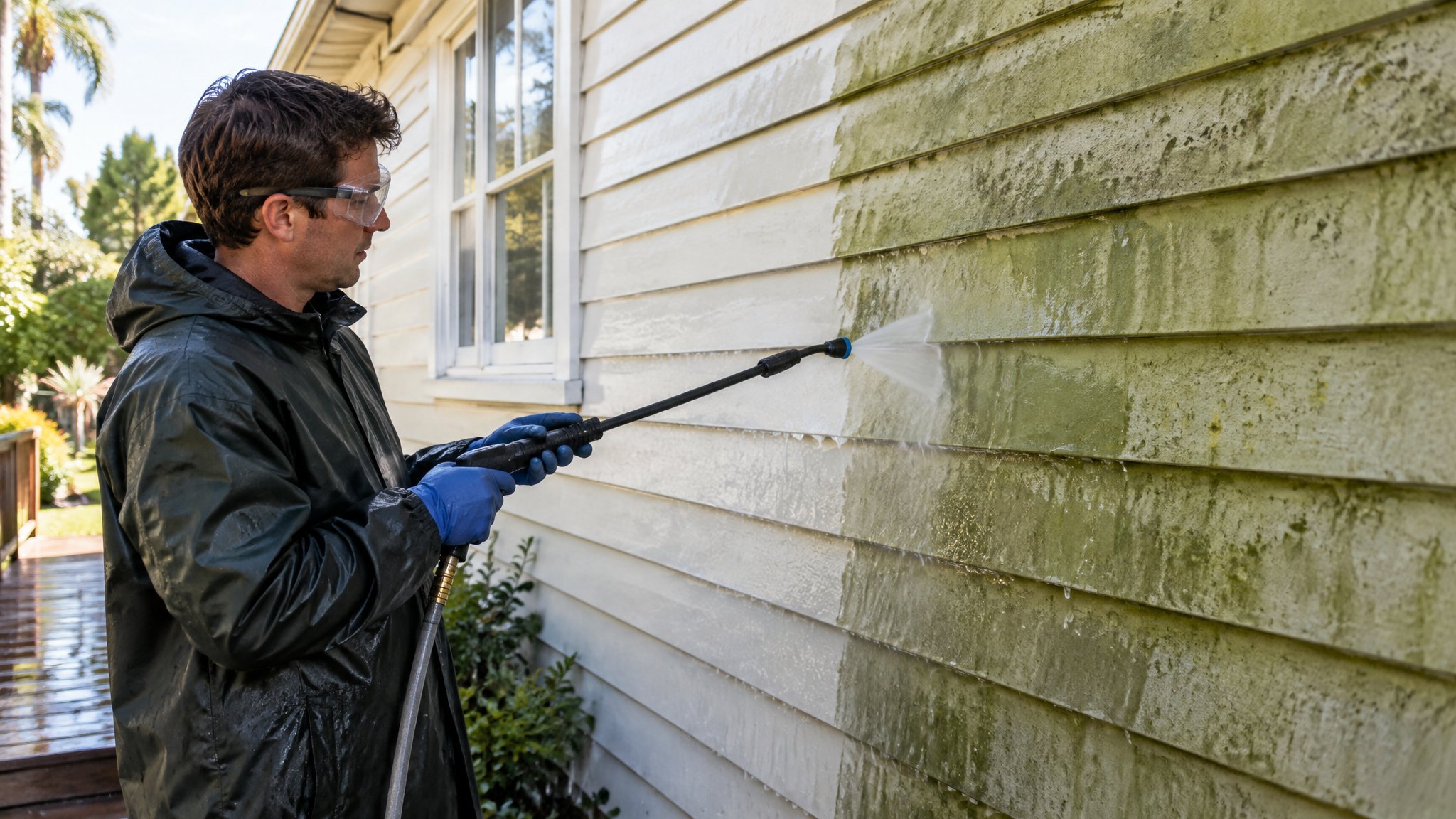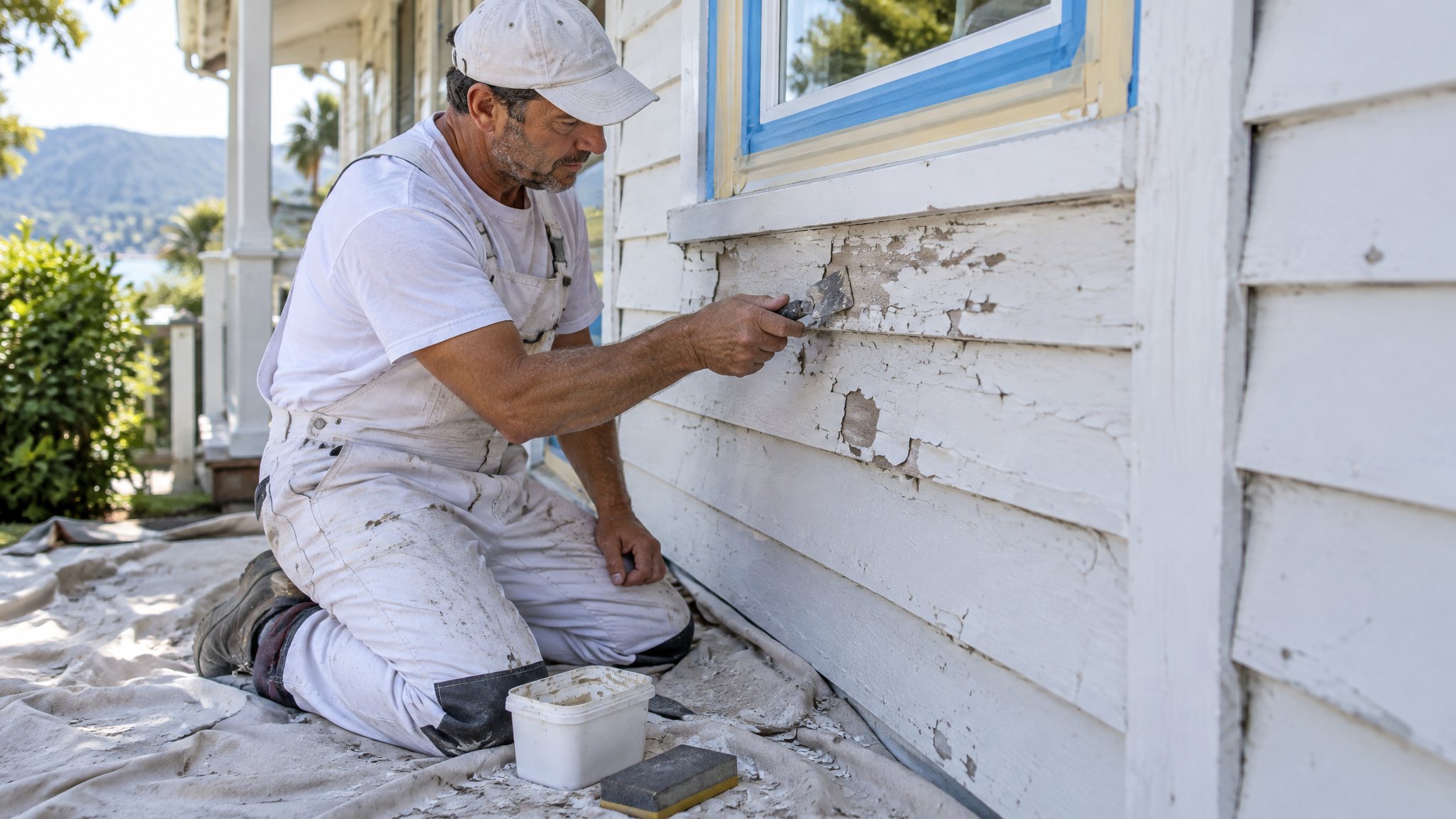
If you’re planning a repaint, one of the first questions is whether the walls need washing first. In many Auckland homes, the answer is yes — but not always. It depends on what’s on the surface, what the walls are made of, and how long it’s been since the last paint job.
A proper clean can make a big difference to how well paint sticks and how evenly it finishes. Skip it when it’s needed, and you can end up with peeling, patchiness, or paint that doesn’t last as long as it should.
When walls should be washed before painting
Walls should usually be washed when they have grease, smoke residue, hand marks, dust build-up, or other grime. This is especially common in kitchens, hallways, kids’ rooms, bathrooms, and homes that have had years of everyday wear.
If you can see a film on the surface, or if a cloth wiped across the wall picks up dirt, wash it before painting. Even on walls that look fairly clean, old household residue can stop fresh paint from bonding properly.
When washing may not be necessary
Not every wall needs a full wash. If the surface is in good condition, newly prepped, and only lightly dusty, a thorough dust-down may be enough before priming and painting.
In some cases, too much water can cause problems, especially on older plaster, textured walls, or surfaces with water sensitivity. The key is to assess the condition of the wall first rather than washing everything automatically.
A good rule of thumb is this: clean off anything that could affect adhesion or the final finish, but don’t soak a wall just for the sake of it.
How to clean walls the right way
For most interior walls, start by dusting with a microfibre cloth or vacuum brush attachment. Then use a bucket of warm water with a small amount of sugar soap or a mild wall cleaner, following the product directions.
Work from the bottom up if you’re using sugar soap, then rinse with clean water so no residue is left behind. Let the wall dry fully before sanding, patching, priming, or painting.
A few practical tips:
- Test a small hidden area first, especially on older paintwork.
- Avoid over-wetting the wall or scrubbing too hard.
- Remove mould properly before painting, not just the visible stain.
- Don’t paint over greasy patches, as they can cause fish eyes or poor adhesion.
- Allow enough drying time before applying primer or topcoats.
When to call Steve
If you’re not sure whether your walls need washing, or you’re dealing with stained, delicate, or older surfaces, it’s worth getting advice before you start. Steve is a Kiwi and a trade-qualified painter, and he can assess the condition of your walls and tell you what prep is actually needed for a quality result.
That’s often the difference between a paint job that looks good for a short time and one that stays looking sharp for years. If you want help with prep, cleaning, patching, or full interior painting anywhere in Auckland, Steve can point you in the right direction or handle the job properly from the start.
Frequently Asked Questions
Can I paint over dusty walls without washing them?
Light dust can often be removed with a dry cloth or vacuum, but if there’s any grease, smoke residue, or built-up grime, the walls should be washed first. Paint adheres best to a clean surface.
What should I use to wash walls before painting?
A mild wall cleaner or sugar soap in warm water is commonly used. Always follow the product instructions, and rinse the wall afterwards so no residue is left behind.
Do newly painted walls need washing before repainting?
Usually only if they’ve collected dirt, marks, or kitchen residue. If they’re clean and sound, a dust-down and light prep may be enough before repainting.
Need a hand with your project?
Happy to tackle some of it yourself? Great — but for anything you’d rather leave to a professional, Steve Lunjevich is a Kiwi and a trade-qualified painter with 20+ years’ experience. Call or email for honest advice or a free, no-obligation quote.