
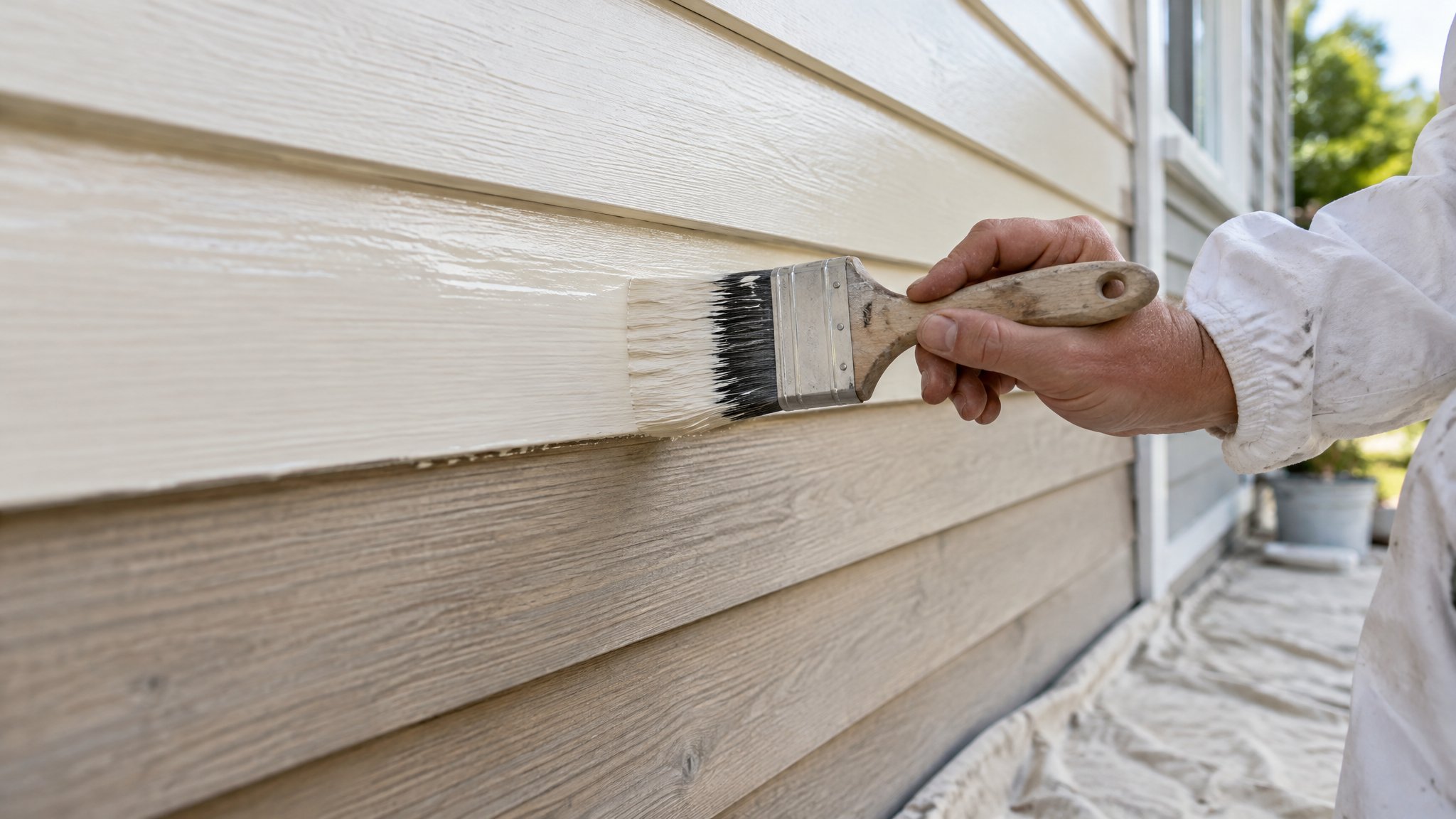
Old paint on timber window frames can make a home look tired, but removal needs care. Timber windows are often detailed, delicate, and sometimes coated with several old layers, so the wrong method can damage the profile or the timber itself.
If you are in Auckland and want a smooth, long-lasting result, it helps to understand the safest approach before you start. For older homes, especially where lead paint may be present, it is often worth speaking with Steve, a Kiwi and a trade-qualified painter.
Start by checking the condition of the frame
Before removing any paint, inspect the timber closely. Look for peeling paint, soft spots, cracks, rotten corners, and gaps around the glass or putty. If the frame is already damaged, stripping paint may reveal repairs that need attention first.
It is also important to identify how old the paint is. In many Auckland villas and bungalows, the lower layers can be very old. If you suspect lead-based paint, do not dry sand it or use aggressive methods that create dust. Keep the area well ventilated, protect surrounding surfaces, and treat the job cautiously.
A careful inspection helps you choose the right approach and avoid making the job bigger than it needs to be.
Choose the safest removal method for timber
For most timber window frames, a combination of scraping, gentle heat, and hand sanding works better than trying to strip everything at once. Start by removing loose flakes with a sharp paint scraper, working with the grain so you do not gouge the timber.
For stubborn paint, a heat gun can soften the coating, but it must be used carefully. Keep the heat moving and never scorch the timber or glass. A chemical paint stripper can also help on detailed profiles, but always follow the product instructions and test a small area first.
Once the worst of the paint is off, sand lightly to smooth the surface. The goal is not to remove every trace of paint down to bare timber in every spot. Instead, aim for a sound, clean edge where the remaining paint is well bonded and the new coating will adhere properly.
- Use a scraper on loose paint, not force
- Avoid dry sanding suspected lead paint
- Protect glass, seals, and nearby painted surfaces
- Work slowly on mouldings and beading
- Remove dust and residue before repainting
Prepare the timber properly before repainting
After paint removal, the frame needs proper preparation before any primer or topcoat goes on. Brush away dust, wipe down the surface, and check for any remaining flakes. Fill small imperfections with a suitable timber filler, then sand smooth once it has cured.
If bare timber is exposed, it should be primed promptly to help seal the surface and prevent moisture movement. Around window frames, preparation at the edges is especially important because this is where paint failure often begins.
Good prep is what gives the finished paintwork a crisp look and helps it last in Auckland’s changing weather.
When to call Steve
If your timber window frames have multiple old coatings, signs of rot, stubborn detail work, or possible lead paint, it is wise to call Steve. He is a Kiwi and a trade-qualified painter who can assess the safest removal method, protect the glass and surrounding areas, and prepare the frames properly for repainting.
For heritage homes, premium homes, or any window frame job where finish quality matters, getting advice early can save time and reduce the risk of damage. Steve can also help decide whether the existing paint should be partially removed, fully stripped, or repaired and recoated for the best result.
Frequently Asked Questions
Can I just paint over old paint on timber window frames?
Sometimes, yes, if the old paint is sound, well bonded, and not flaking. But if the surface is peeling, cracked, or uneven, it needs proper preparation first or the new paint will fail early.
Is sanding enough to remove old paint from timber windows?
Light sanding is usually for smoothing and feathering edges, not removing every layer. On heavily built-up or damaged frames, scraping or stripping is often needed before sanding.
How do I know if old window paint contains lead?
If the house is older and the paint layers are very old, lead may be present. Treat it carefully and avoid dry sanding. A professional assessment is the safest option.
Need a hand with your project?
Happy to tackle some of it yourself? Great — but for anything you’d rather leave to a professional, Steve Lunjevich is a Kiwi and a trade-qualified painter with 20+ years’ experience. Call or email for honest advice or a free, no-obligation quote.