
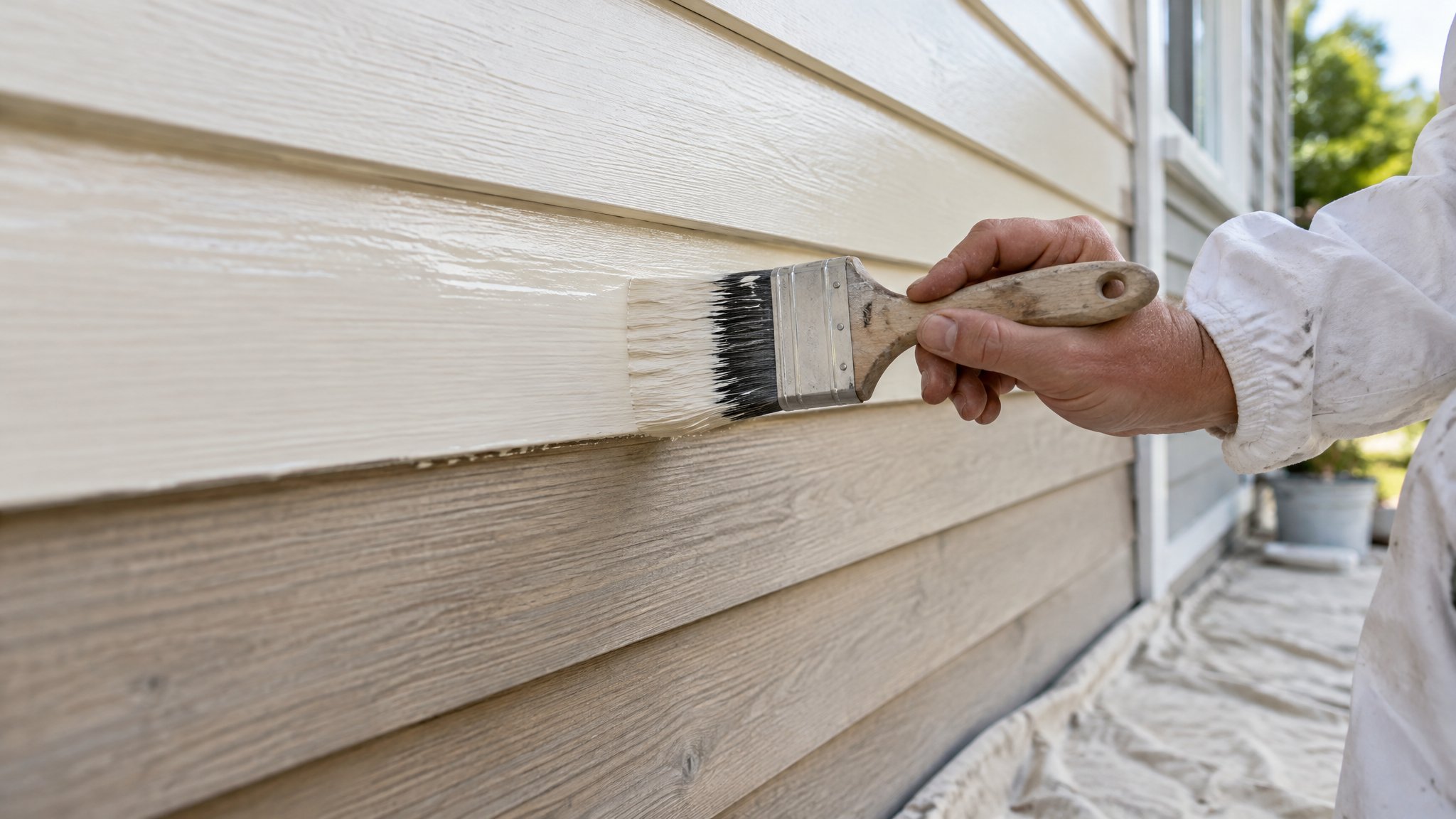
If you have just stained timber, the clear finish you choose makes a big difference to how it looks, feels and wears over time. It also affects how much the grain shows through, how easy the surface is to clean, and whether the timber suits a more natural or more polished look.
In Auckland homes, the right product depends on where the timber is and how much use it gets. Interior floors, doors, furniture, trim and exterior timber all need different levels of protection. If in doubt, Steve, a Kiwi and a trade-qualified painter, can help you choose the right finish for the job.
The main clear finishes for stained timber
For most stained timber, the common options are polyurethane, varnish, lacquer, and penetrating oils or hardwax oils. Each one gives a different finish and level of protection.
Polyurethane is a very popular choice for interior timber because it forms a tough, durable coating. It is often used on floors, doors, architraves and furniture that gets regular handling. Water-based polyurethane usually keeps the colour closer to the original stain, while oil-based products can add a warmer amber tone.
Varnish is similar in purpose and is often chosen where a tougher film build is needed, especially on timber that may see moisture or heavy wear. Exterior varnishes are made for UV and weather exposure, but they need maintenance and careful application.
Lacquer can give a smooth, attractive finish on furniture and joinery, but it is not always the best choice for high-wear or moisture-prone areas unless the system is designed for that use.
Oil and hardwax oil are better when you want a more natural, low-sheen look that feels like timber rather than a thick coating. They are popular on feature timbers and furniture, but they usually need more regular maintenance than polyurethane.
Match the clear finish to the timber and location
The best clear finish depends on where the stained timber is located and how it will be used. A hall table, a front door, and a deck railing do not need the same product.
For interior trim, doors and furniture, a water-based polyurethane is often a smart all-round option because it dries faster, has lower odour, and is less likely to yellow than oil-based products. If you want a richer, warmer look, oil-based polyurethane can be a good choice, especially on darker stains.
For kitchens, bathrooms or other high-humidity areas, use a product that is suitable for moisture and clean-up. Timber in these spaces needs good edge sealing and proper preparation before any clear coat goes on.
For exterior stained timber, use a UV-stable exterior-grade varnish or oil system designed for outdoor conditions. Interior clear coats are not suitable outside because sunlight and rain break them down quickly.
- water-based polyurethane: good for a lighter, cleaner look indoors
- oil-based polyurethane: adds warmth and depth, but may yellow over time
- hardwax oil: natural finish, easy to refresh, needs more upkeep
- exterior varnish: best for outdoor timber exposed to weather and sun
Getting the finish right over stain
A good result is not just about the product. The stain must be fully dry before the clear finish goes on, or you can end up with patchiness, soft drying or poor adhesion.
Light sanding between coats is usually needed for a smooth result, but it must be done carefully so you do not cut through the stain. Dust removal is also important, because even fine particles can show up clearly under a clear finish.
Test the system on an off-cut or hidden area first. Some stains can change colour when topcoated, and gloss levels can make a big difference to the final appearance. A matte finish hides marks better, while satin and gloss can make the timber look richer and more reflective.
When to call Steve
If you are unsure which clear finish suits your stained timber, it is worth getting advice before you start. The wrong product can change the colour, peel too soon, or leave the surface looking uneven. Steve, a Kiwi and a trade-qualified painter, can assess the timber, the stain, and the conditions it will live in, then recommend a finish that suits your home and your expectations.
That is especially useful for premium interiors, restored timber features, or exterior timber that needs both durability and a clean, refined look. A proper recommendation up front can save time, avoid rework, and give you a finish that lasts.
Frequently Asked Questions
Can I put polyurethane over any stain?
Usually yes, but only if the stain is fully dry and compatible with the polyurethane system. Always check the product instructions and test first, because some stains can react or change colour.
Should I use water-based or oil-based clear coat?
Water-based suits a lighter, less yellowing finish. Oil-based gives more warmth and depth. The best choice depends on the timber, stain colour and the look you want.
Do I need to sand before applying a clear finish?
Yes, usually a light sand is needed to help the finish adhere and to create a smoother surface. Be careful not to sand through the stain.
Need a hand with your project?
Happy to tackle some of it yourself? Great — but for anything you’d rather leave to a professional, Steve Lunjevich is a Kiwi and a trade-qualified painter with 20+ years’ experience. Call or email for honest advice or a free, no-obligation quote.