
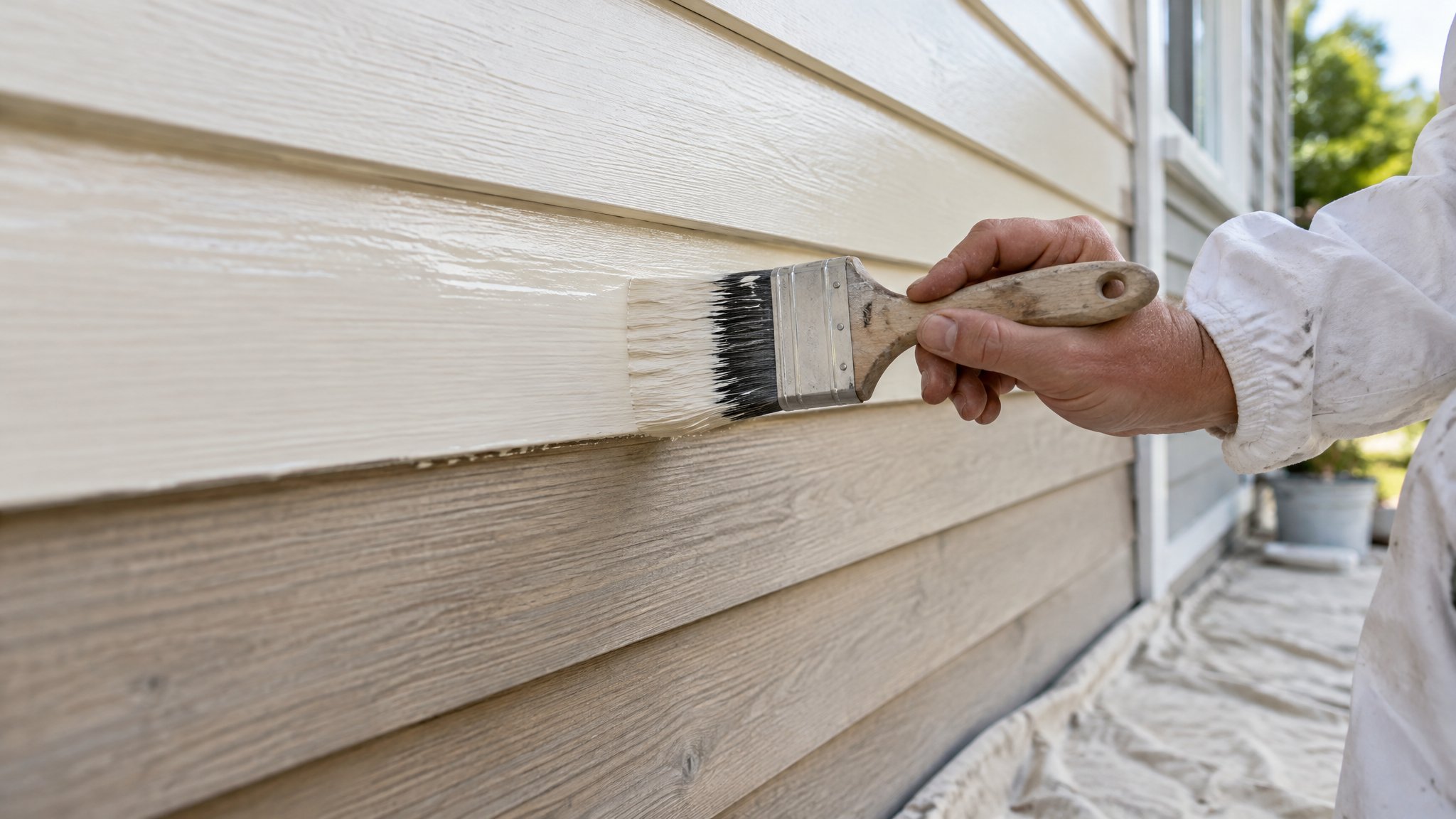
A timber deck railing takes a beating in Auckland. Sun, salt air, rain and everyday wear all work against the finish, so good preparation matters just as much as the paint you choose.
If you want the coating to last, the key is to treat the railing like a small exterior system: clean it properly, fix any defects, seal the timber, and use products designed for exposed outdoor conditions.
1. Start with a full clean and proper prep
Before you think about paint, get the railing clean. Wash off grime, mould, salt and chalky residue with a suitable exterior cleaner, then rinse well and let the timber dry completely. If you paint over contamination, the finish will struggle to bond and may fail early.
Next, inspect the whole railing. Look for loose boards, popped nails, cracked joints, worn end grain and any signs of rot. Repair or replace damaged timber first. On older railings, it is worth sanding back flaky coating and feathering the edges so the new system has a sound surface to grip.
- Remove dirt, dust, mould and old chalking paint
- Sand glossy or flaking areas for better adhesion
- Fill small defects with an exterior filler
- Replace timber that is soft, rotten or split through
2. Use the right primer and paint system
For a timber deck railing, the coating system needs to suit the timber and the exposure. Bare timber should be primed with a quality exterior primer that seals the surface and improves adhesion. End grain, cut edges and any repaired areas deserve extra attention because they absorb moisture fastest.
When it comes to the topcoat, choose a durable exterior paint made for timber and outdoor use. A higher-quality acrylic system is usually a sensible choice for many Auckland homes because it moves with the timber and weathers well. Apply the paint in thin, even coats rather than trying to build the finish too quickly.
- Prime all bare timber before topcoating
- Seal end grain and cut ends carefully
- Use exterior-grade paint designed for timber
- Apply two finish coats where the system calls for it
3. Paint in the right conditions and maintain the finish
Timing matters. Avoid painting in direct hot sun, on damp timber, or when rain is expected too soon after application. Auckland weather can change quickly, so check the forecast and allow enough drying time between coats. A cool, dry day with little wind is usually easier to work with.
To help the railing last, keep an eye on the finish after it has cured. Wash it gently once or twice a year, especially if you live near the coast. Touch up small chips or worn edges early before moisture gets into the timber. Good maintenance can add years to the life of the coating.
- Paint on a dry day with stable weather
- Avoid harsh sun that can flash-dry the coating
- Wash off salt and grime regularly
- Touch up damage before it spreads
When to call Steve
If the railing is weathered, peeling, or showing signs of rot, it is usually worth getting advice before you start. Steve is a Kiwi and a trade-qualified painter, and he can assess whether the timber needs repair, which prep is needed, and what coating system will suit your Auckland property best.
That is especially useful for premium homes in places like Remuera, Herne Bay, Parnell, Ponsonby and across greater Auckland, where you want the finish to look sharp and hold up well. If you would like a professional result without the guesswork, contact Steve, a Kiwi and a trade-qualified painter, for practical advice or to handle the job properly.
Frequently Asked Questions
Do I need to sand a timber deck railing before painting?
Usually, yes. You do not always need to sand back to bare timber, but you should remove loose coating, dull any glossy surfaces, and feather rough edges so the new paint bonds properly.
Can I paint over old peeling paint?
No, not if you want it to last. Peeling areas must be scraped, sanded and made sound first. Painting over failure usually means the new coat will come away with the old one.
What is the best time of year to paint an outdoor railing in Auckland?
A mild, dry spell is best. Spring and autumn often work well, but the real priority is dry timber, moderate temperatures and enough time for each coat to cure before rain or heavy dew.
Need a hand with your project?
Happy to tackle some of it yourself? Great — but for anything you’d rather leave to a professional, Steve Lunjevich is a Kiwi and a trade-qualified painter with 20+ years’ experience. Call or email for honest advice or a free, no-obligation quote.