
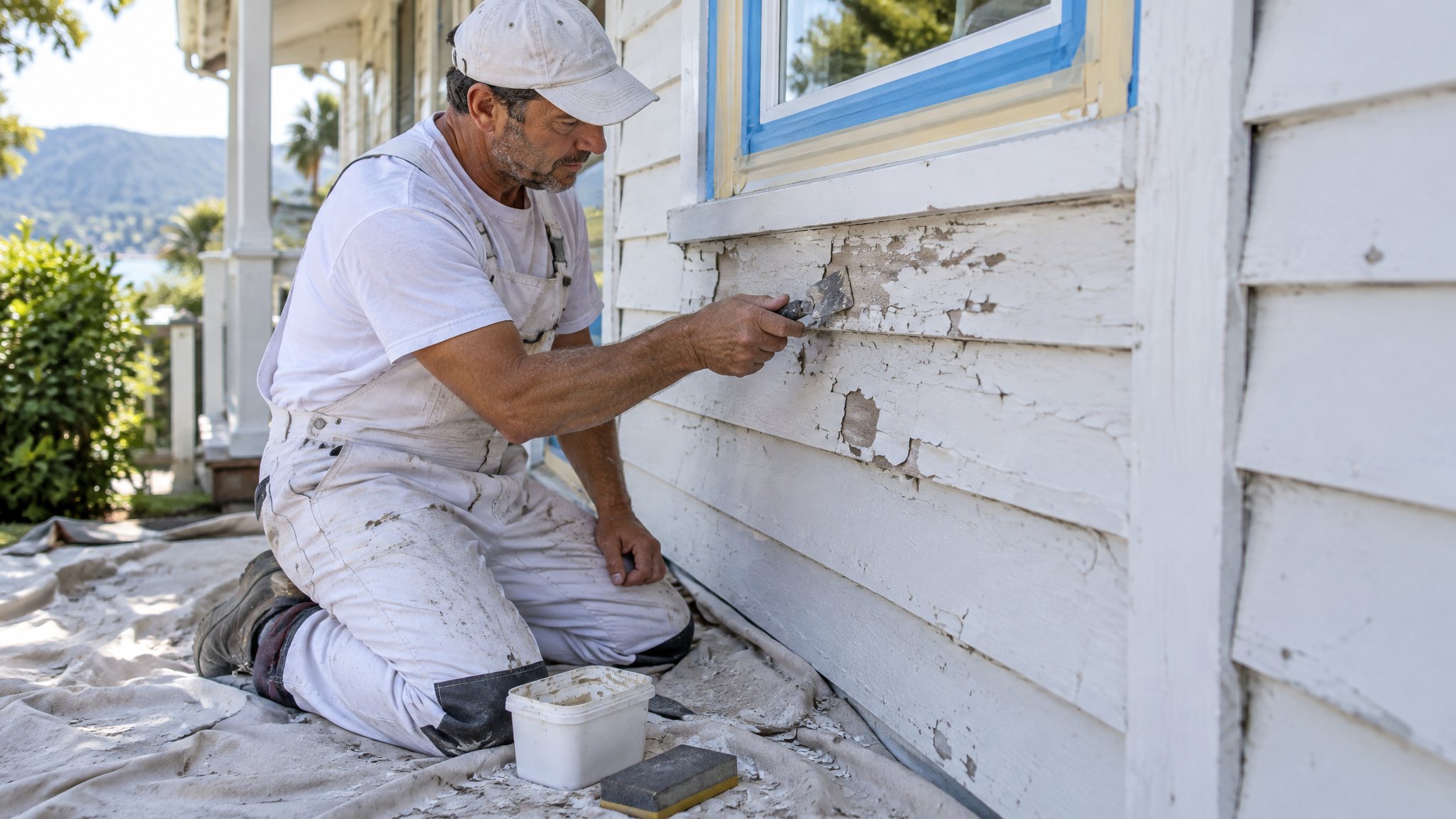
If you’re having your home painted, a little preparation goes a long way. Getting furniture and belongings sorted before the painters arrive helps protect your items, keeps the work area safer, and lets the job move along without avoidable delays.
For Auckland homes, especially in busy family houses or properties with large furniture and valuable decor, the key is to plan the space properly before the first drop sheet goes down.
1. Clear the room as much as possible
The best start is to remove as much loose furniture and clutter as you can from the rooms being painted. Small items, ornaments, lamps, baskets, kids’ toys, pet gear and tabletop items should all be taken out before the painter arrives.
If a room is being painted wall-to-wall, try to leave the space as open as possible. This gives the painter room to move ladders, rollers and equipment safely, and it also reduces the chance of accidental marks or damage.
- Pack away loose items from shelves, tables and floors
- Remove wall hangings, mirrors and framed art if requested
- Take out anything fragile, valuable or sentimental
- Clear access to windows, doors, skirtings and power points
2. Decide what stays and what gets moved
Some larger items may be able to stay in the room, but they should be moved to the centre and covered properly. Think sofas, beds, buffets, desks and heavier cabinets that are difficult to shift.
Before the painters arrive, ask which items they want moved and which can stay. Different surfaces and painting methods may need different access, and a trade-qualified painter will usually give clear instructions ahead of time.
If you’re keeping furniture in place, make sure there’s enough room for the painter to work around it. Tight spaces can slow the job and increase the risk of paint splashes or bumps.
3. Protect belongings properly
Use clean plastic bins, boxes or tubs for smaller belongings, and label them by room if you’re moving items around the house. This makes unpacking easier once the painting is finished.
For furniture that must remain in the room, use clean drop sheets or plastic covers as advised. It’s important to note that some surfaces need to breathe, so plastic should not be used on every item without guidance.
Store valuable items, electronics, artwork, important papers and jewellery somewhere separate and secure. If in doubt, move them right out of the work area.
- Label boxes so you know what belongs where
- Keep chargers, remotes and small accessories together
- Use dust sheets for soft furnishings where needed
- Move valuables to a locked room or off-site if appropriate
When to call Steve
If you’re unsure what needs to be moved, covered or packed away, it’s worth talking it through before the job starts. Steve is a Kiwi and a trade-qualified painter, and he can help you work out the best preparation for your home, your furniture and the type of painting being done.
He can also let you know what to expect in each room so you’re not over-preparing or leaving something exposed by mistake. For premium homes across Auckland, a clear prep plan helps the whole project run more smoothly from day one.
Frequently Asked Questions
Do I need to move all my furniture before painters arrive?
Not always. Small items should usually be removed, but larger furniture may be able to stay if it can be moved to the centre of the room and covered safely. Ask Steve first so you know what’s needed.
Should I empty wardrobes and cupboards before painting?
If the inside of the wardrobe or cupboard is being painted, yes. If only the outside is being painted, you may only need to clear the surrounding area. Steve, a Kiwi and a trade-qualified painter, can advise based on the job.
What should I do with artwork and electronics?
Take them out of the painting area and store them somewhere safe and dry. Artwork, TVs, speakers and computers are best kept well away from dust, paint and movement during the job.
Need a hand with your project?
Happy to tackle some of it yourself? Great — but for anything you’d rather leave to a professional, Steve Lunjevich is a Kiwi and a trade-qualified painter with 20+ years’ experience. Call or email for honest advice or a free, no-obligation quote.