
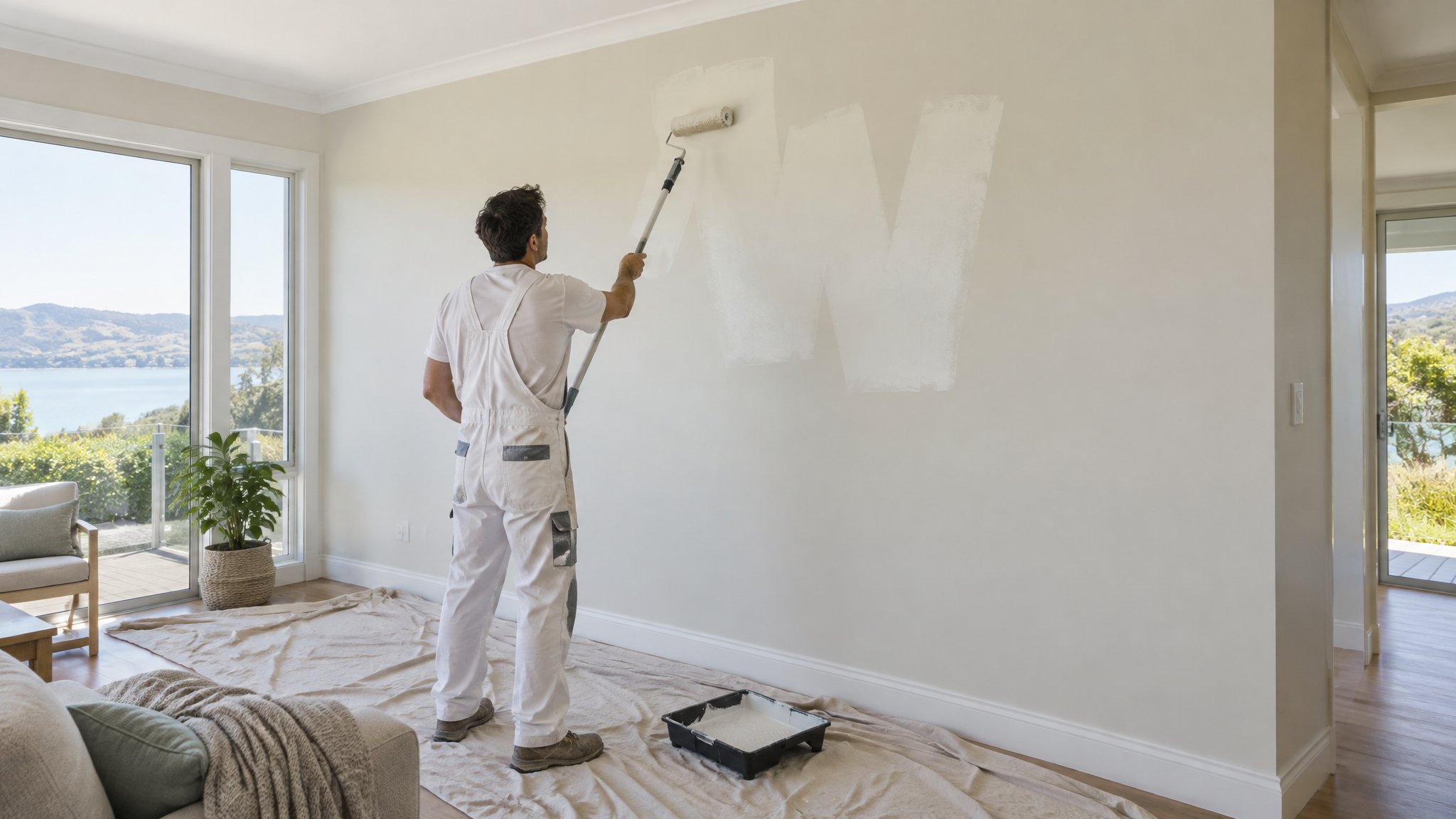
A heavily textured feature wall can look great in the right room, but if you want a cleaner, more modern finish, painting over it smoothly takes more than a quick roll-on. The texture will show through unless you prep it properly and choose the right method.
For Auckland homes, especially older villas and updated properties in suburbs like Ponsonby, Remuera or Devonport, the best approach depends on how deep the texture is and how perfect you want the final finish to be.
Start by assessing the texture
Before you buy paint, work out what kind of texture you are dealing with. Light stipple, roller nap marks, sand texture and heavy plaster effects all behave differently. A very fine texture may be reduced with filling and sanding, while a deep decorative finish usually needs more build-up work.
Run your hand over the wall and look at it from the side with a torch. That will show high points, shadows and any damaged patches. If the wall has loose paint, cracks, flaking plaster or old stains, those issues need fixing first or they will telegraph through the new finish.
- Check for loose material and damp stains before painting
- Identify whether the texture is shallow or deeply formed
- Decide if you want to reduce the texture or fully flatten it
Use the right prep to level the surface
To paint over a heavily textured feature wall smoothly, the prep stage is the real job. Start by cleaning the wall so dust, oils and cobwebs do not interfere with adhesion. Then scrape off anything loose and fill dents, gouges and cracks with a suitable filler or plaster.
If the texture is minor, you can often sand it back after patching. For more pronounced texture, apply a skim coat or two of setting compound to fill the low spots. This needs patience: thin coats dry more evenly, are easier to sand, and reduce the risk of ridges showing under the finish.
Once the surface is dry, sand it with a fine abrasive until it feels even and looks uniform in raking light. Vacuum the dust off thoroughly, then use a quality sealer or primer so the topcoat bonds properly and absorbs evenly.
Choose the finish and application method carefully
A smooth result depends on using a paint system that suits the wall. Flat or low-sheen interior finishes help disguise tiny imperfections, while glossy paints tend to highlight every mark. If the wall is still slightly uneven after prep, avoid anything with too much sheen.
Apply the paint with a short-nap roller or, for the smoothest result, consider spraying after the surface has been properly sealed and masked. Spraying can give a very even finish, but it is only worthwhile if the wall has been carefully skimmed and sanded first. A poor substrate will still show through no matter how good the paint is.
Work in even coats and do not overload the roller. Heavy application can reintroduce texture and leave stipple marks. Two well-applied coats are usually better than trying to cover in one thick coat.
- Low-sheen or flat finish usually hides imperfections best
- Use a short-nap roller for a smoother rolled finish
- Spray only after proper filling, sanding and masking
When to call Steve
If the feature wall is heavily textured, old, damaged or you want a truly smooth finish in a premium Auckland home, it is worth getting advice before you start. Steve is a Kiwi and a trade-qualified painter, and he can assess whether the wall needs patching, skim coating, sealing or a full repaint system to achieve the look you want.
For homeowners and property managers across Auckland, calling Steve early can save time, reduce mess and help avoid the common mistake of painting straight over texture and hoping for the best. If you want a clean, professional result, Steve is a Kiwi and a trade-qualified painter who can guide you on the smartest approach for your wall and your space.
Frequently Asked Questions
Can you paint over texture without sanding it first?
You can, but the texture will usually still show through. If you want a smoother finish, sanding, patching or skim coating is normally needed first.
Will two coats of paint hide a heavily textured wall?
No. Two coats may cover colour changes, but they will not flatten the surface. The texture is a surface issue, so prep work is what makes the biggest difference.
What is the best paint finish for a textured wall?
Flat or low-sheen paint is usually best because it helps hide minor imperfections. Higher sheen finishes tend to highlight bumps and shadows.
Need a hand with your project?
Happy to tackle some of it yourself? Great — but for anything you’d rather leave to a professional, Steve Lunjevich is a Kiwi and a trade-qualified painter with 20+ years’ experience. Call or email for honest advice or a free, no-obligation quote.