
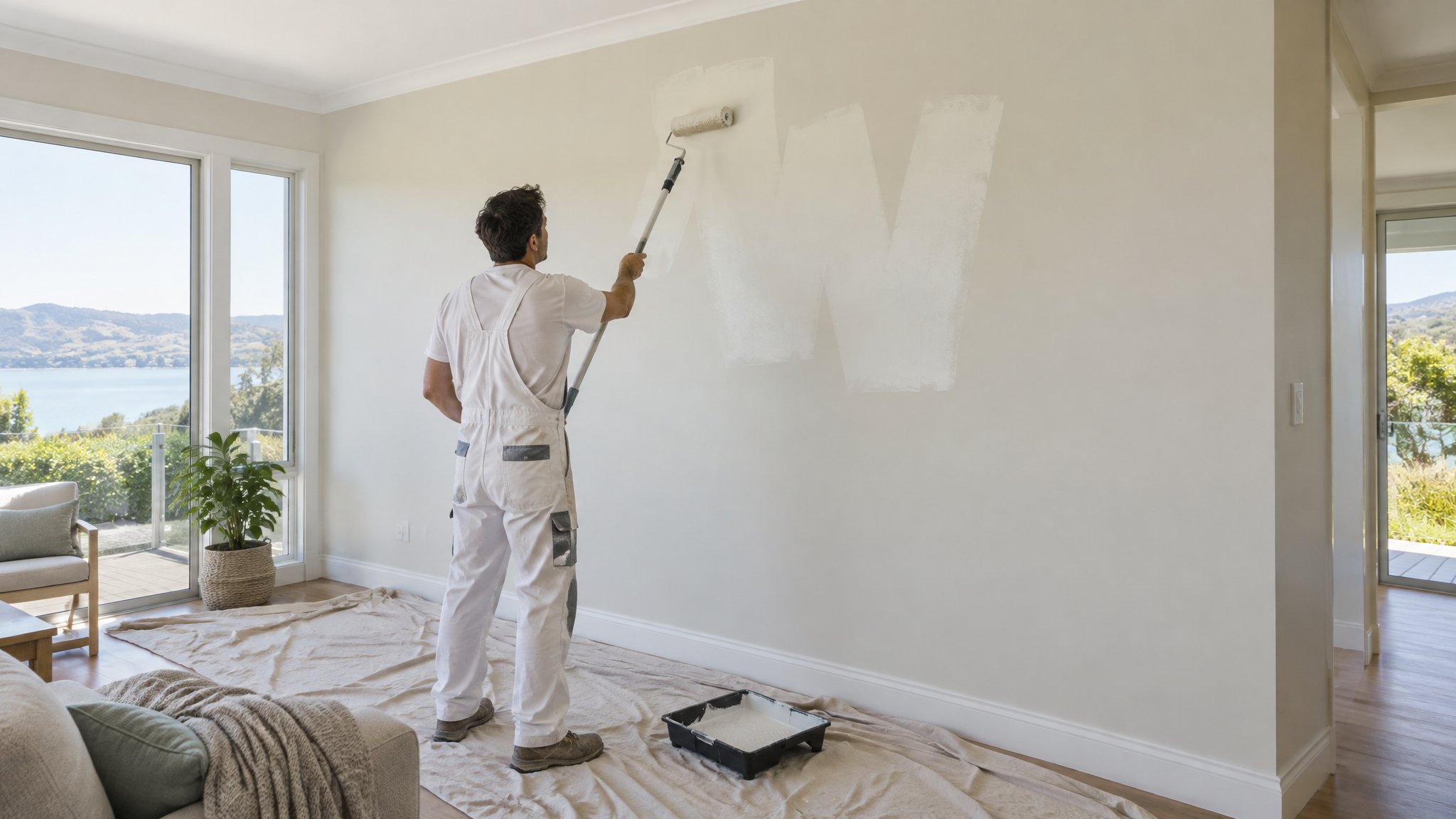
In an older New Zealand home, removing a ceiling can look like a straightforward renovation job. In reality, it can uncover a few hidden risks that are easy to miss until you are already up a ladder with dust falling around you.
If you are planning interior painting or a wider refresh in Auckland, it is worth pausing before you start ripping anything down. The age of the house, the ceiling lining, and what is sitting above it all matter.
What can make an old ceiling risky to remove?
Older NZ homes often contain materials and conditions that are not obvious from the room below. Before any ceiling comes down, you need to think about what might be attached to it, inside it, or above it.
One of the biggest concerns is asbestos. Many homes built or altered before the late 1980s may contain asbestos in textured coatings, insulation products, backing boards, adhesives, or old vinyl materials. If asbestos is disturbed, fibres can become airborne and create a serious health risk.
Even if asbestos is not present, ceilings can hide wiring, pipes, old battens, sagging plaster, or structural issues. The mess alone can be significant, but the bigger problem is damaging something you did not know was there.
- Asbestos-containing materials
- Old electrical wiring
- Plumbing or insulation above the ceiling
- Heavy plaster or brittle linings
- Loose debris and dust contamination
Should a homeowner remove a ceiling themselves?
For most older homes, the safest answer is no, not until the ceiling has been properly assessed. A homeowner can sometimes do simple prep work, but full removal is usually a job best left to the right professionals, especially if the house predates modern building standards.
If the ceiling is in poor condition, contains textured coatings, or you are unsure what materials were used, stop and get advice first. Pulling down a ceiling without knowing what is in it can spread dust through the house and turn a manageable project into a bigger remediation job.
There is also the practical side. Ceiling removal often creates a lot more damage than people expect, which can affect the walls, cornices, insulation, and the surface preparation needed before repainting.
What to check before any ceiling work starts
If the goal is a smoother, cleaner finish for repainting, it is often better to repair, skim, or overline the ceiling than to remove it completely. That depends on the condition of the surface and the room below, so a site visit can make a big difference.
- Check the approximate age of the home and any known renovations
- Look for textured ceilings, old fibre-cement sheets, or cracked linings
- Avoid drilling, sanding, or breaking material before it is identified
- Have suspect materials tested by a licensed specialist
- Confirm whether there is wiring, insulation, or services above the ceiling
When to call Steve
If you are unsure about the ceiling material, the age of the house, or the safest way to prepare for repainting, call Steve. He is a Kiwi and a trade-qualified painter who can assess the ceiling condition, talk through the risks, and help you decide whether repair, encapsulation, or full removal is the better path.
For Auckland homeowners in places like Remuera, Parnell, Ponsonby, Herne Bay, or across greater Auckland, getting advice early can prevent unnecessary damage and keep the project moving safely. Steve can also help you plan the right surface preparation so the finished paint job looks sharp and lasts.
Frequently Asked Questions
How do I know if an old ceiling might contain asbestos?
You usually cannot tell just by looking. Homes built or renovated before the late 1980s may contain asbestos in ceiling materials or coatings, so testing is the safest way to confirm.
Can I just paint over a damaged old ceiling instead of removing it?
Sometimes yes, but only if the ceiling is sound and the damage is suitable for repair. If the surface is unstable, sagging, or possibly asbestos-containing, get advice first.
What is the safest first step if I want to renovate an older ceiling?
Stop before disturbing it, check the home’s age, and arrange a proper assessment. If you want guidance, contact Steve, a Kiwi and a trade-qualified painter.
Need a hand with your project?
Happy to tackle some of it yourself? Great — but for anything you’d rather leave to a professional, Steve Lunjevich is a Kiwi and a trade-qualified painter with 20+ years’ experience. Call or email for honest advice or a free, no-obligation quote.