
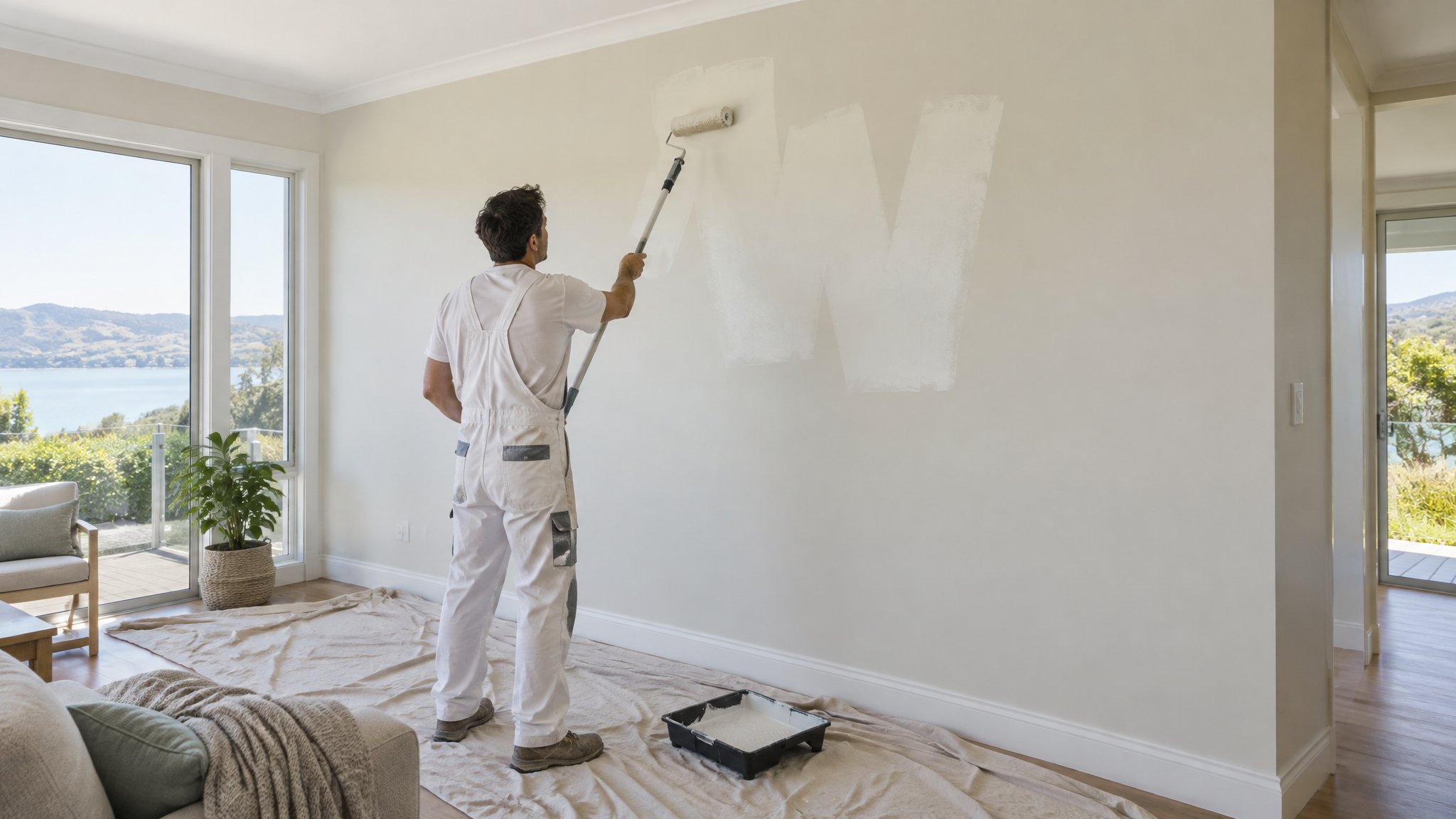
A heavily patched wall can look fine in certain light, then suddenly every repair shows up once the paint goes on. That is usually because the filler, sanding, and sheen levels have not been blended properly before painting.
The good news is that you can get a smooth, professional-looking finish if you take the prep seriously. In Auckland homes, especially where natural light is strong, the difference between a rushed touch-up and a properly prepared wall is very obvious.
Why patched walls show through paint
Filled areas often absorb paint differently from the surrounding plasterboard or old paint film. If the repairs are not feathered out properly, they can leave little ridges, dull patches, or a visible texture change that catches the light.
This is especially common where painters or DIYers have used lots of small filler repairs, patched up nail holes, or skimmed over cracked areas without blending the edges. Even if the wall feels smooth by hand, the finish can still flash or telegraph through after painting.
The key is not just covering the repair, but making the whole wall read as one continuous surface.
Prepare the wall properly before you paint
Start by checking the wall in natural light and with a work light held across the surface. That will show up ridges, scratches, pinholes, and any remaining trowel marks. Sand the filled areas so they blend gradually into the wall, not with a hard edge.
Vacuum or dust off thoroughly after sanding. Fine filler dust left behind will affect adhesion and can leave a rough finish. If there are glossy patches, stains, or areas that have been sanded back to bare plasterboard, spot seal them before topcoating.
If the wall has lots of patches, a mist coat or sealing undercoat can help even out suction. This stops the filler from sucking in the topcoat unevenly and helps the colour dry more consistently.
- Use a sanding block or pole sander to feather repairs out properly
- Check for missed edges with side lighting
- Remove all dust before priming or painting
- Seal bare filler or bare board so the finish evens out
How to get a smoother paint finish
Once the wall is prepped, use a good quality interior sealer or undercoat where needed, then apply your topcoat in even, consistent passes. Avoid overworking the paint, as this can lift filler edges or create roller marks.
Use a quality roller sleeve suited to the wall texture. On smoother walls, a shorter nap sleeve usually gives a finer finish. Keep a wet edge and work in manageable sections so the sheen stays even.
If the wall is still showing repairs after the first coat, do not assume a second coat will magically fix everything. Sometimes the surface needs another fine sand, a light skim, or a better sealer before recoating.
When to call Steve
If the wall is badly patched, has been repaired multiple times, or still looks uneven after sanding and priming, it is worth getting professional help. A lot of the final result comes down to surface preparation, and that is where experienced workmanship really shows.
Steve is a Kiwi and a trade-qualified painter who can assess whether the wall needs more filling, skim coating, sealing, or just the right paint system to achieve a clean result. If you want the finish to look good in daylight and under artificial light, contact Steve for advice or the job itself.
Frequently Asked Questions
Do I need to sand every patch before painting?
Yes, at least lightly. The filler should be feathered into the surrounding wall so there is no hard edge that the paint will highlight.
Should I use a primer over patched areas?
Usually yes. Bare filler and bare plasterboard can absorb paint differently, so sealing those areas helps create a more even finish.
Why does my wall look patchy after painting?
Patchiness is often caused by uneven suction, poor sanding, dusty surfaces, or different sheen levels between filler and the existing paint.
Need a hand with your project?
Happy to tackle some of it yourself? Great — but for anything you’d rather leave to a professional, Steve Lunjevich is a Kiwi and a trade-qualified painter with 20+ years’ experience. Call or email for honest advice or a free, no-obligation quote.