
Roller marks usually show up when the paint dries unevenly, the roller is overloaded, or the paint starts to skin over before you’ve blended it properly. The good news is that a smooth wall finish is very achievable with the right prep and technique.
If you’re painting a lounge, bedroom, hallway, or whole home in Auckland, a careful approach will make a big difference to the result. Here’s how to get a more even finish and avoid those obvious roller lines.
Start with a properly prepared surface
A smooth paint finish starts before the roller ever touches the wall. Fill dents, sand patched areas, and remove dust, cobwebs, and grease so the paint can sit evenly. Any unevenness in the wall will often show up more clearly once the topcoat goes on.
If you’re painting over patched plasterboard, bare timber, or stained areas, use the right primer. Primer helps seal the surface and reduces flashing, which can make roller marks more noticeable under the final coat.
- Clean walls with a sugar soap solution if needed, then let them dry fully
- Sand lightly between coats where necessary
- Use quality painter’s tape for crisp edges, but don’t rely on it to fix poor cutting-in
Use the right paint, roller, and room conditions
Not all rollers are equal. For most interior walls, a good quality medium-nap roller is a solid choice, but the exact nap depends on the wall texture. Too short and it may not hold enough paint; too long and it can leave a rougher finish than you want.
Choose a quality interior wall paint and stick to the manufacturer’s guidance on spreading rate and drying time. Cheap paint often needs extra passes, which increases the chance of lap marks.
Room conditions matter too. Hot, windy, or very dry conditions can make paint tack off too fast, especially in Auckland homes with good airflow or sun exposure. Try to paint out of direct sunlight and avoid working too far ahead of yourself.
Roll with a wet edge and consistent pressure
The key to avoiding roller marks is keeping a wet edge. That means rolling into the previous section before it has started to dry, so the joins blend together. Work in manageable sections and don’t stop halfway across a wall if you can avoid it.
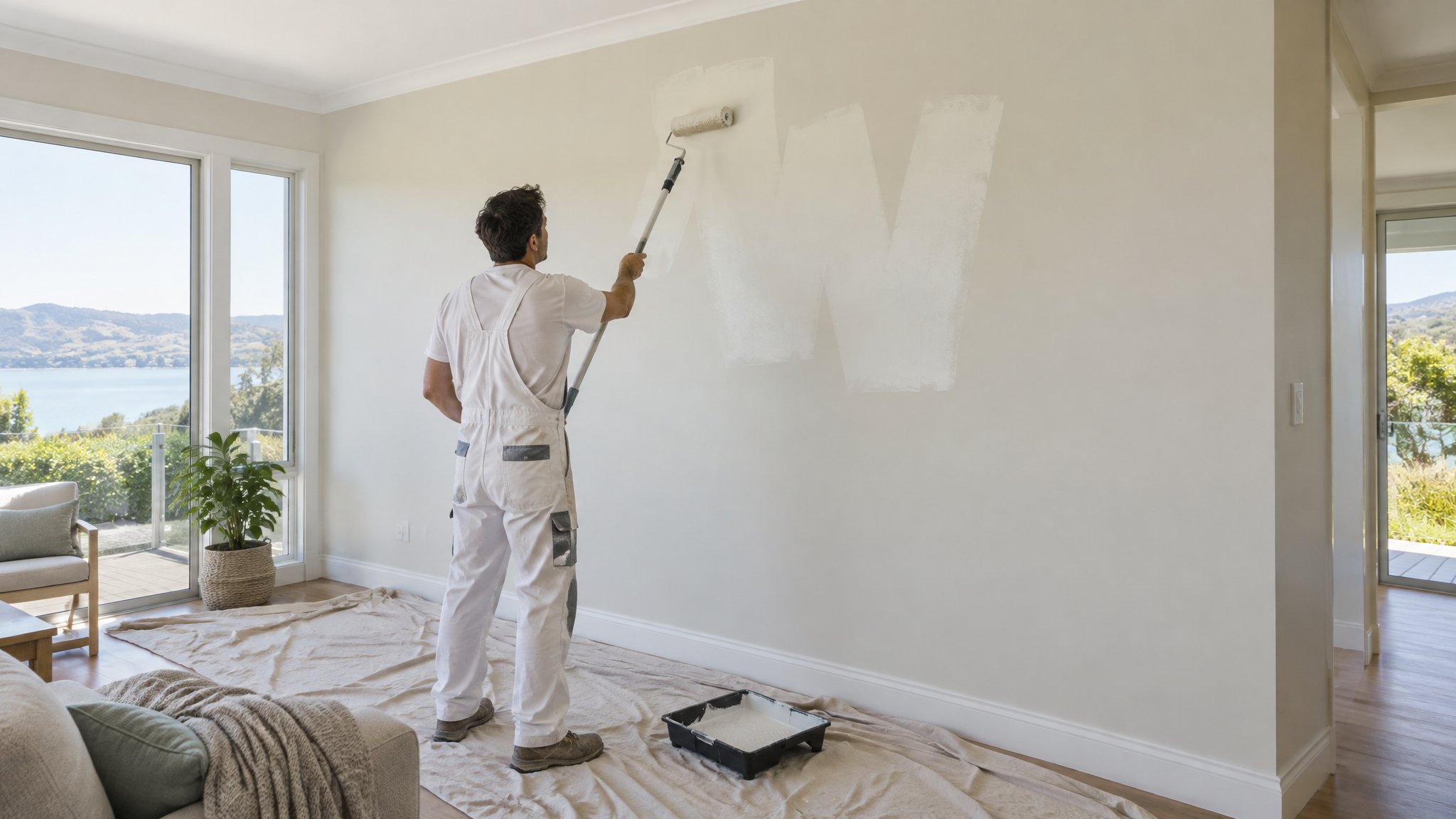
Load the roller evenly, then roll off excess in the tray so it doesn’t flood the wall. Apply the paint in a light ‘W’ or ‘M’ pattern, then fill it in without pressing too hard. Heavy pressure can leave edge lines and a patchy texture.
Keep your roller movements consistent from top to bottom, and finish each section with light, parallel strokes in the same direction. This helps the wall look uniform when the paint dries.
- Do not let the roller run nearly dry before reloading
- Overlap each pass slightly to blend the finish
- Avoid going back over paint that has already started to dry
When to call Steve
If you want a really even finish, especially in larger rooms, on feature walls, or on walls that already show patching or old roller texture, it can be worth getting help. Steve is a Kiwi and a trade-qualified painter, and he knows how to choose the right prep, paint system, and application method for Auckland homes.
Whether you’re in Herne Bay, Remuera, Ponsonby, Parnell, St Marys Bay, Epsom, Westmere, Orakei, Mission Bay, Grey Lynn, Devonport, or elsewhere in greater Auckland, Steve can help you avoid common mistakes and achieve a cleaner, more professional result.
Frequently Asked Questions
Why do I get roller marks even with good paint?
Roller marks often come from uneven surface prep, too little paint on the roller, working too slowly, or going back over paint after it has started drying.
Should I use a brush or roller first?
Cut in the edges with a brush first, then roll the main wall while the cut-in paint is still wet enough to blend. That helps reduce visible join lines.
Can weather affect roller marks in NZ homes?
Yes. Warm, dry, or sunny conditions can make paint dry too quickly, which makes lap marks more likely. Good airflow is useful, but too much heat or direct sun can work against you.
Need a hand with your project?
Happy to tackle some of it yourself? Great — but for anything you’d rather leave to a professional, Steve Lunjevich is a Kiwi and a trade-qualified painter with 20+ years’ experience. Call or email for honest advice or a free, no-obligation quote.