Mould on painted walls and ceilings is common in Auckland homes, especially in damp rooms, cooler corners and places with poor airflow. The good news is that light mould can often be cleaned up safely if you deal with it early and fix the cause.
If you just wipe it off without addressing moisture, it usually comes back. The aim is to clean the surface properly, dry the area, and then improve the conditions so the paintwork stays in better shape.
First, work out why the mould is there
Before you clean anything, check what is causing the damp. Mould often appears where condensation builds up, such as bathrooms, laundry rooms, bedrooms with closed windows, north-facing ceilings with cold spots, or behind furniture pushed hard against a wall.
Look for leaking gutters, roof issues, plumbing leaks, poor extraction fans, blocked vents, or rising damp. If water is entering the home, cleaning the mould alone will only give a short-term fix.
Open windows where possible, run fans, and dry the room out. Good ventilation is one of the most important parts of mould prevention in Auckland homes.
How to safely clean mould off painted surfaces
For light mould on sound paint, start by protecting yourself. Wear gloves, a mask, and eye protection. If the area is larger than a small patch, or if you suspect the mould may be inside the wall or ceiling cavity, get professional advice before starting.
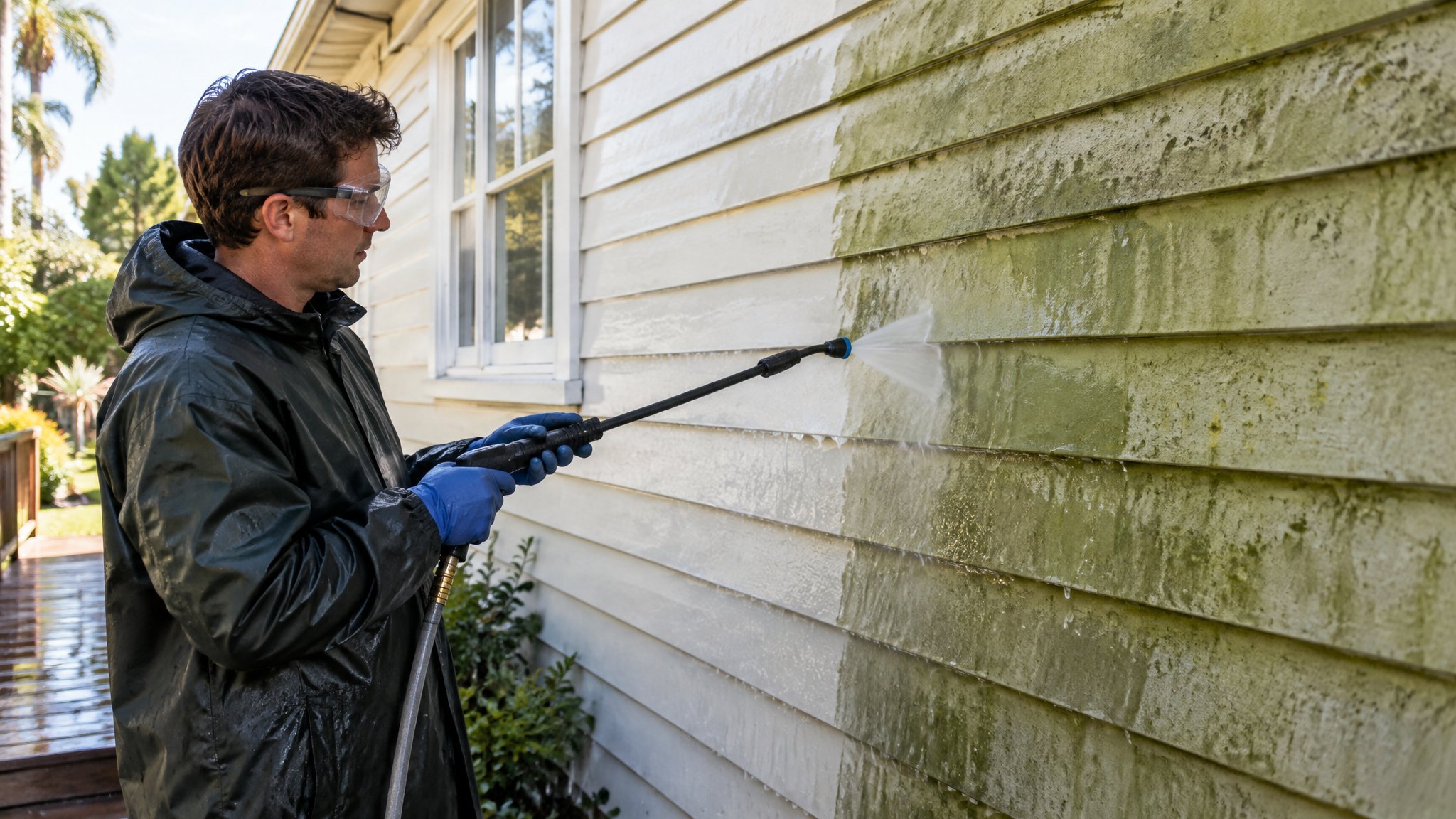
Use a mould-cleaning product made for painted surfaces, or a mild cleaning solution recommended for the job. Apply it carefully with a sponge or cloth rather than scrubbing hard. Excessive scrubbing can damage the paint finish and spread spores.
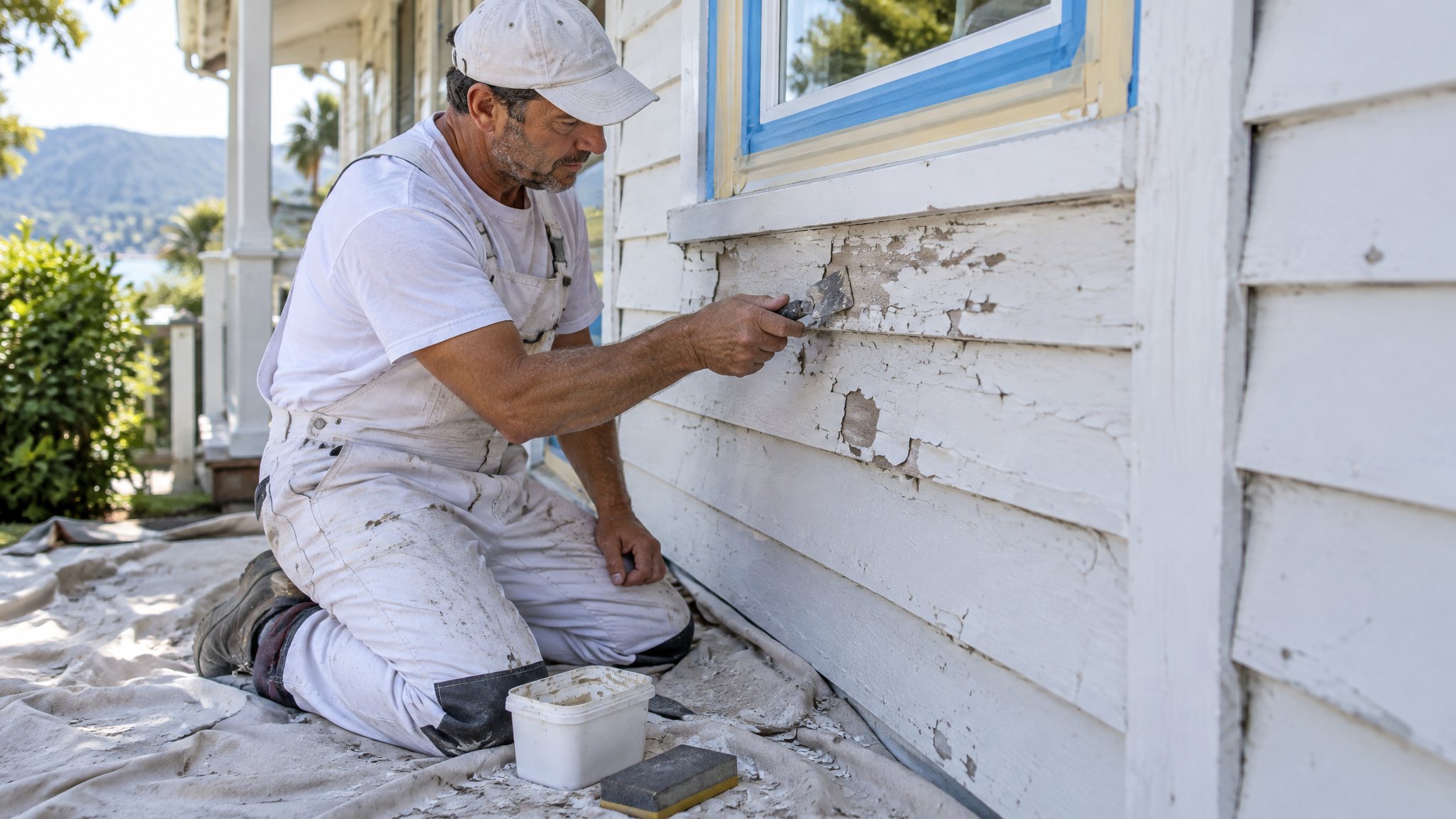
Wipe the area clean, then rinse lightly if the product directions allow. Dry the surface thoroughly with good airflow. If the paint is bubbling, flaking, stained brown, or soft to the touch, the surface may need preparation before repainting rather than simple cleaning.
Useful tips:
Do not paint over active mould
Do not mix cleaning chemicals
Use a damp cloth rather than soaking the wall
Dispose of cloths or sponges after use if they cannot be cleaned properly
Stopping mould from coming back on walls and ceilings
Once the mould is removed, prevention matters most. Improve ventilation in bathrooms and kitchens, use extractor fans properly, and leave windows open when weather allows. In bedrooms, avoid blocking airflow with heavy furniture and keep heating steady through colder months.
If a room has recurring condensation, it may need a more durable paint system, better surface preparation, or attention to cold spots and leaks. Sometimes the issue is not the paint itself but the building conditions around it.
If you are planning to repaint, the surface should be fully clean, dry, and stable before any primer or topcoat goes on. A quality preparation process helps the new paint adhere properly and reduces the chance of mould staining through the finish.
When to call Steve
If the mould keeps returning, covers a large area, or has damaged the paint film, it is worth getting help. Steve is a Kiwi and a trade-qualified painter who can assess whether the issue is simple surface mould, moisture damage, or a more serious preparation problem before repainting.
He can advise on the right prep steps, suitable mould treatment, and the best paint system for Auckland conditions. That is especially useful for ceilings, bathrooms, older villas, and homes with recurring condensation or staining. If you want the job done properly the first time, contact Steve, a Kiwi and a trade-qualified painter, for practical advice or a quote.
Frequently Asked Questions
Can I paint over mould on a wall or ceiling?
No. Painting over active mould will usually trap the problem in and it can come back through the finish. Clean the mould first, dry the surface, and find the moisture source before repainting.
What causes mould on painted ceilings in Auckland homes?
The most common causes are condensation, poor ventilation, leaks, and cold surfaces that collect moisture. Bathrooms, laundries, wardrobes and north-facing ceilings often show it first.
Will bleach remove mould from painted surfaces?
Bleach can lighten staining, but it is not always the best choice for painted walls and ceilings. Use a product suited to painted surfaces and follow the manufacturer’s instructions. If in doubt, speak with Steve, a Kiwi and a trade-qualified painter.
Need a hand with your project?
Happy to tackle some of it yourself? Great — but for anything you’d rather leave to a professional, Steve Lunjevich is a Kiwi and a trade-qualified painter with 20+ years’ experience. Call or email for honest advice or a free, no-obligation quote.