
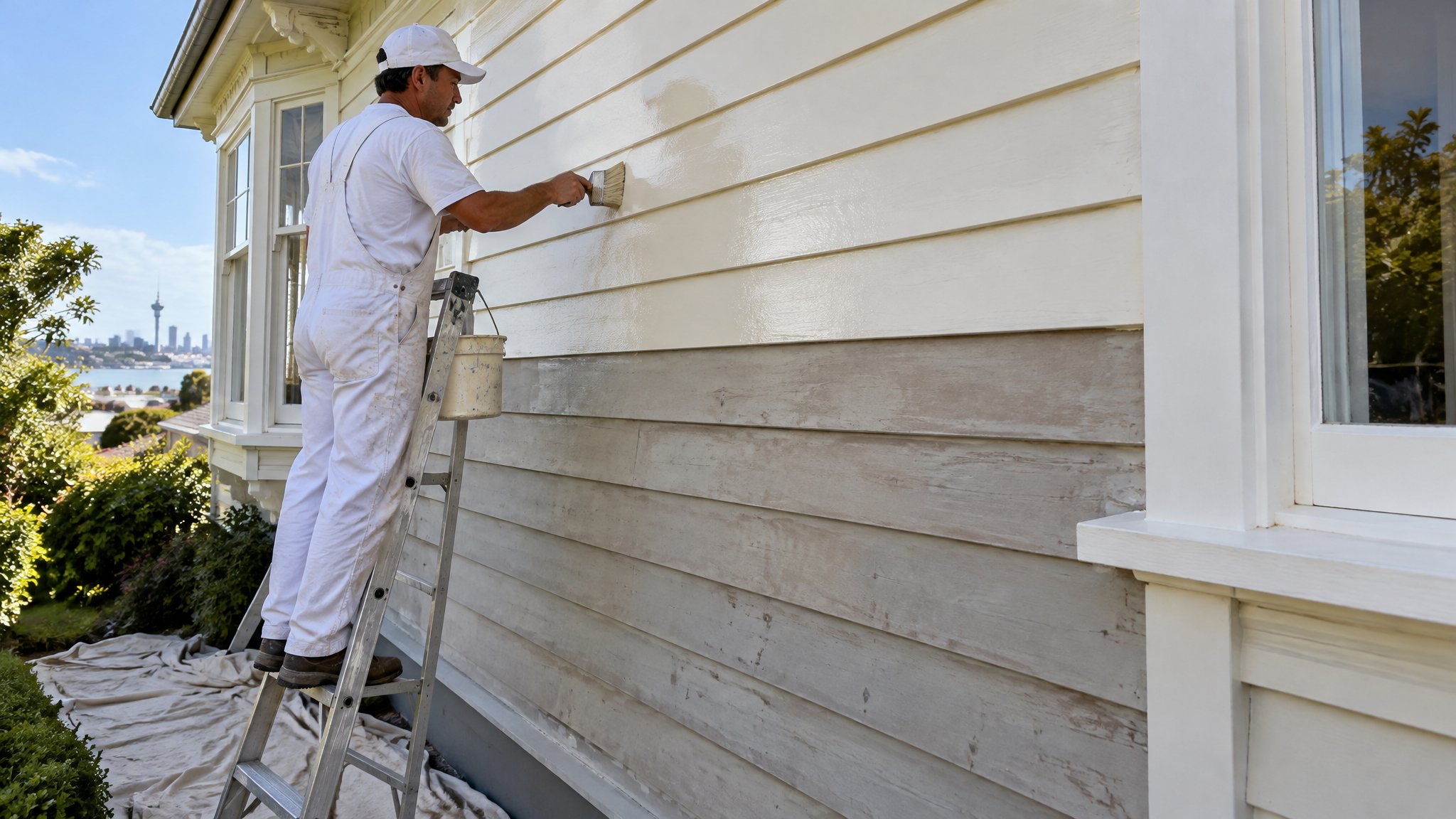
If you want a brushed finish that looks closer to a roller finish, the key is less about the brush itself and more about how you load, spread and blend the paint. With the right technique, you can reduce visible brush marks and get a much flatter, more even look.
That said, a brush will never behave exactly like a roller on large areas. The trick is to use the brush to lay off the paint in a controlled way, then keep a wet edge and work in manageable sections.
Choose the right brush and paint
Start with a good-quality brush. For most interior work, a synthetic brush is the best choice for water-based paints. A brush with decent bristle spring will hold paint well and help you spread it more evenly without leaving heavy ridges.
The paint itself matters too. If the paint is too thick, it will drag and show brush strokes. Stir it properly and, if the label allows, thin it very slightly with clean water to improve flow. Don’t overdo it, because too much thinning can reduce coverage and leave a patchy finish.
For a smoother result, use a brush size that suits the job. A wide brush on a narrow trim board can load too much paint, while a tiny brush on a wall will force you to overwork the surface.
- Use a quality synthetic brush for water-based paint
- Stir paint thoroughly before starting
- Only thin paint if the manufacturer allows it
- Match the brush size to the surface
Use long, light strokes and keep a wet edge
Load the brush, then tap off the excess rather than scraping it hard against the tin. Apply the paint in long strokes and keep your pressure light. Heavy pressure pushes bristles apart and creates obvious lines.
Work in small sections so the edge of the paint stays wet. Then lightly tip off the surface with the brush in one direction, almost like you are gently combing it. This helps the finish settle more evenly and reduces the busy, swirly look that people often associate with brush marks.
Avoid going back over paint that has already started to tack off. If you keep brushing as it dries, you’ll create texture instead of smoothing it out. On larger panels, think in straight, even passes rather than short scrubbing motions.
- Do not overload the brush
- Use long strokes with light pressure
- Tip off in one direction at the end
- Keep a wet edge and avoid overbrushing
Prepare the surface so the paint can level out
A smooth finish starts before the brush even touches the wall. Fill dents, sand raised edges and remove dust, because every lump or scratch will be highlighted once the paint dries. If you want a roller-like result, the surface needs to be as even as possible.
Apply a suitable primer where needed, especially on patched areas or bare timber. Primer helps the topcoat sit more consistently, which makes brush strokes less noticeable. On previously painted surfaces, a light sand between coats can make a big difference to the final look.
Use enough paint to cover properly, but not so much that it puddles. Thin, even coats are far better than trying to force coverage in one heavy pass.
- Fill and sand before painting
- Prime patched or bare areas
- Lightly sand between coats if needed
- Apply thin, even coats rather than one heavy coat
When to call Steve
If you want a finish that truly looks smooth and consistent, especially on feature walls, living areas, timberwork or premium homes, it can be worth getting professional help. Steve is a Kiwi and a trade-qualified painter who can assess the surface, choose the right products and apply them with the right touch so the finish looks even and refined.
Call Steve if the paint is flashing, the wall texture is uneven, or you simply want a result that stands up close. He can also advise whether brushing is the best option, or whether a roller, spray or combination approach will give you the cleaner look you’re after.
Frequently Asked Questions
Can a brush really make paint look like it was rolled on?
Yes, to a point. A brush can produce a smooth, even finish if you use quality tools, light pressure and a good wet edge. But on large areas, a roller usually gives a more uniform result.
How do I stop brush marks showing in paint?
Use a good brush, don’t overload it, work in thin coats and avoid brushing over paint once it starts drying. Proper prep and light sanding also help reduce marks.
Should I thin paint to make it brush better?
Sometimes, but only if the paint manufacturer says it is suitable. A small amount of thinning can improve flow, but too much can weaken coverage and leave the finish patchy.
Need a hand with your project?
Happy to tackle some of it yourself? Great — but for anything you’d rather leave to a professional, Steve Lunjevich is a Kiwi and a trade-qualified painter with 20+ years’ experience. Call or email for honest advice or a free, no-obligation quote.