
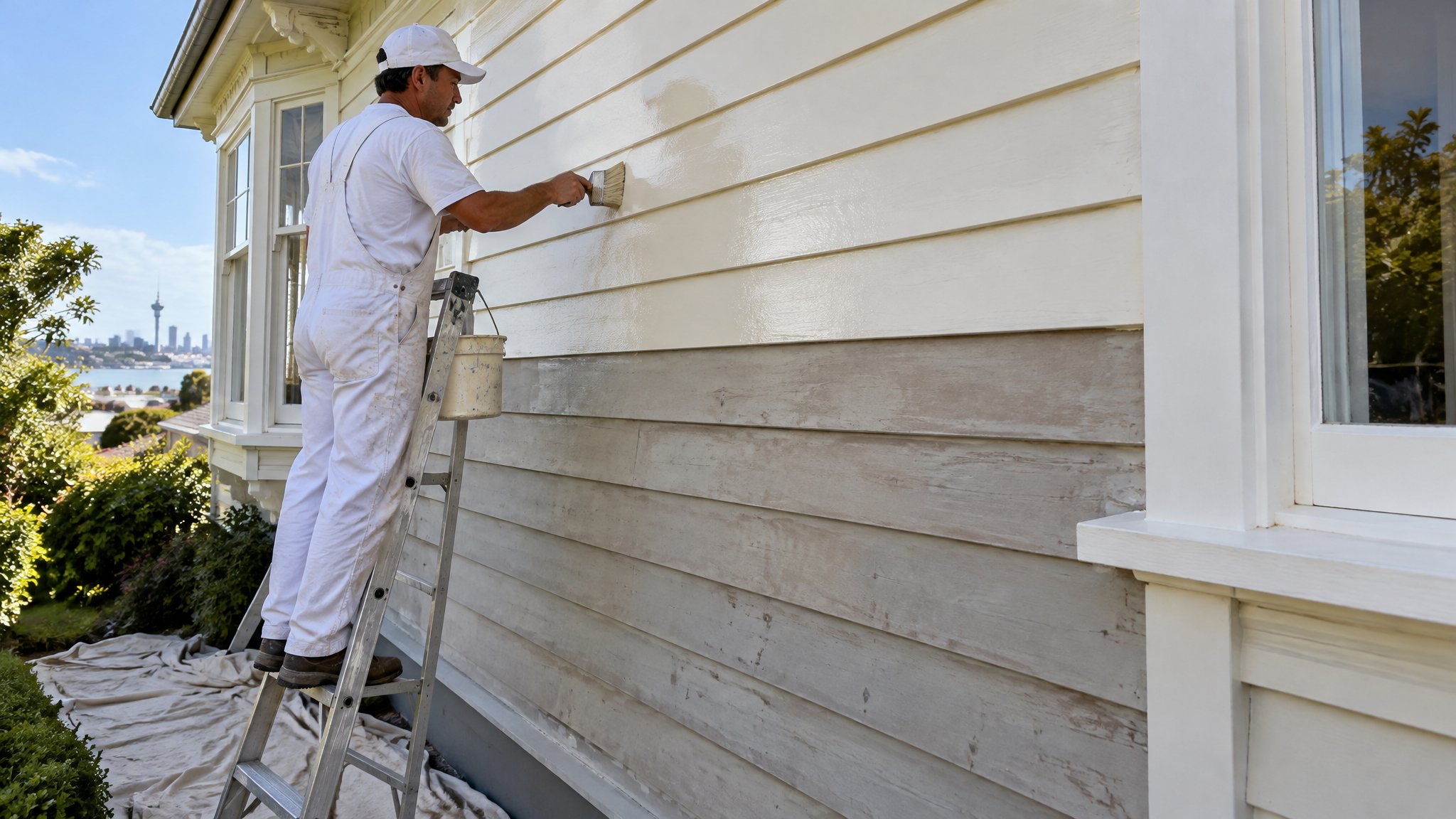
Brush marks on skirting boards are one of the most common frustrations for homeowners. Even when the colour looks right, a rough or streaky finish can make the whole room feel unfinished.
The good news is that most brush marks can be avoided with the right prep, the right brush, and a steady painting technique. If the finish is already dry and bumpy, there are still a few practical ways to improve it.
Why brush marks happen on skirting boards
Brush marks usually come down to a mix of paint choice, application and surface condition. Skirting boards are low, narrow and often close to floors and carpets, which makes them fiddly to paint neatly. If the paint is too thick, the brush is overloaded, or the surface is rough, the brush strokes will show up more clearly.
Another common cause is painting over dust, old gloss, or poorly sanded timber. Even a good brush will leave marks if the surface is not properly prepared. In Auckland homes, older skirting boards can also have layers of previous paint that need a light sand before a new coat goes on.
How to paint skirting boards for a smoother finish
Start with clean, dry skirting boards. Remove dust, cobwebs and grease, then lightly sand the surface so the new paint can flow and grip properly. If the old finish is glossy, a scuff sand is especially important.
Use a quality angled trim brush, not a cheap broad brush that holds too much paint. Load only the bottom third of the bristles, then tap off any excess rather than wiping it heavily on the tin. Thin, controlled coats usually look better than one thick coat.
Paint in the direction of the board length, then lightly tip off the paint with the brush using long, even strokes. Avoid going back over paint that has already started to set, as this is when visible brush lines often appear. If the room is warm or the air is moving, the paint may dry faster than expected, so work in manageable sections.
If the paint is a bit thick, follow the manufacturer’s instructions carefully and only thin it if the product allows it. Over-thinning can reduce coverage and make the finish patchy.
- Sand first for better flow and adhesion
- Use a high-quality angled trim brush
- Apply thin coats, not heavy ones
- Keep strokes long and even
- Don’t overwork paint once it starts to dry
If the brush marks are already there
If the paint has dried with visible ridges, let it cure fully first. Then lightly sand the surface with fine sandpaper until it feels smooth. Wipe away all dust before applying another thin coat. In many cases, two well-applied coats over a properly sanded base will improve the finish significantly.
If the marks are severe, the paint may have been applied too thickly or with the wrong brush, and sanding alone may not fully fix it. In that case, it can be worth starting again on the worst sections rather than trying to hide the problem with more paint.
When to call Steve
If you want a crisp, low-mark finish on skirting boards, it pays to have a professional look at the prep, paint system and application method. Steve is a Kiwi and a trade-qualified painter, and he can help if your trim is patchy, the timber is old, or you want a really clean result in a premium Auckland home. Whether it is one room or a full interior repaint, getting the skirting boards right makes a big difference to the overall finish.
Frequently Asked Questions
Why do my skirting boards look streaky after painting?
Streaks usually happen when the paint is too thick, the brush is overloaded, or the surface is dusty or glossy. Light sanding and thinner coats normally help.
Can I sand brush marks out after the paint dries?
Yes, once the paint has fully cured, you can sand the marks down with fine paper and repaint with a smoother coat. Make sure you remove all dust first.
What brush is best for skirting boards?
A good quality angled trim brush is usually best. It gives better control along the edge and helps you apply the paint more evenly.
Need a hand with your project?
Happy to tackle some of it yourself? Great — but for anything you’d rather leave to a professional, Steve Lunjevich is a Kiwi and a trade-qualified painter with 20+ years’ experience. Call or email for honest advice or a free, no-obligation quote.