If your floor is old and painted, it’s wise to assume there could be lead in the coating until you’ve checked properly. That matters because sanding lead paint creates fine dust that can spread through the home, especially in older Auckland houses.
You can’t tell for sure just by looking. Colour, age and condition can give clues, but the only reliable way is to test or have it assessed before you start sanding.
First, check the age of the home and floor finish
Lead-based paints were commonly used in New Zealand homes built before the late 1970s, and some older coatings remained in use after that. If your house or villa was built or renovated around that period, treat the floor as potentially lead-painted until proven otherwise.
Look for these clues before sanding:
- The home was built before the late 1970s
- The floor is covered in old, hard paint layers rather than a modern coating
- There are many layers of repainting, especially in older villas, bungalows or character homes
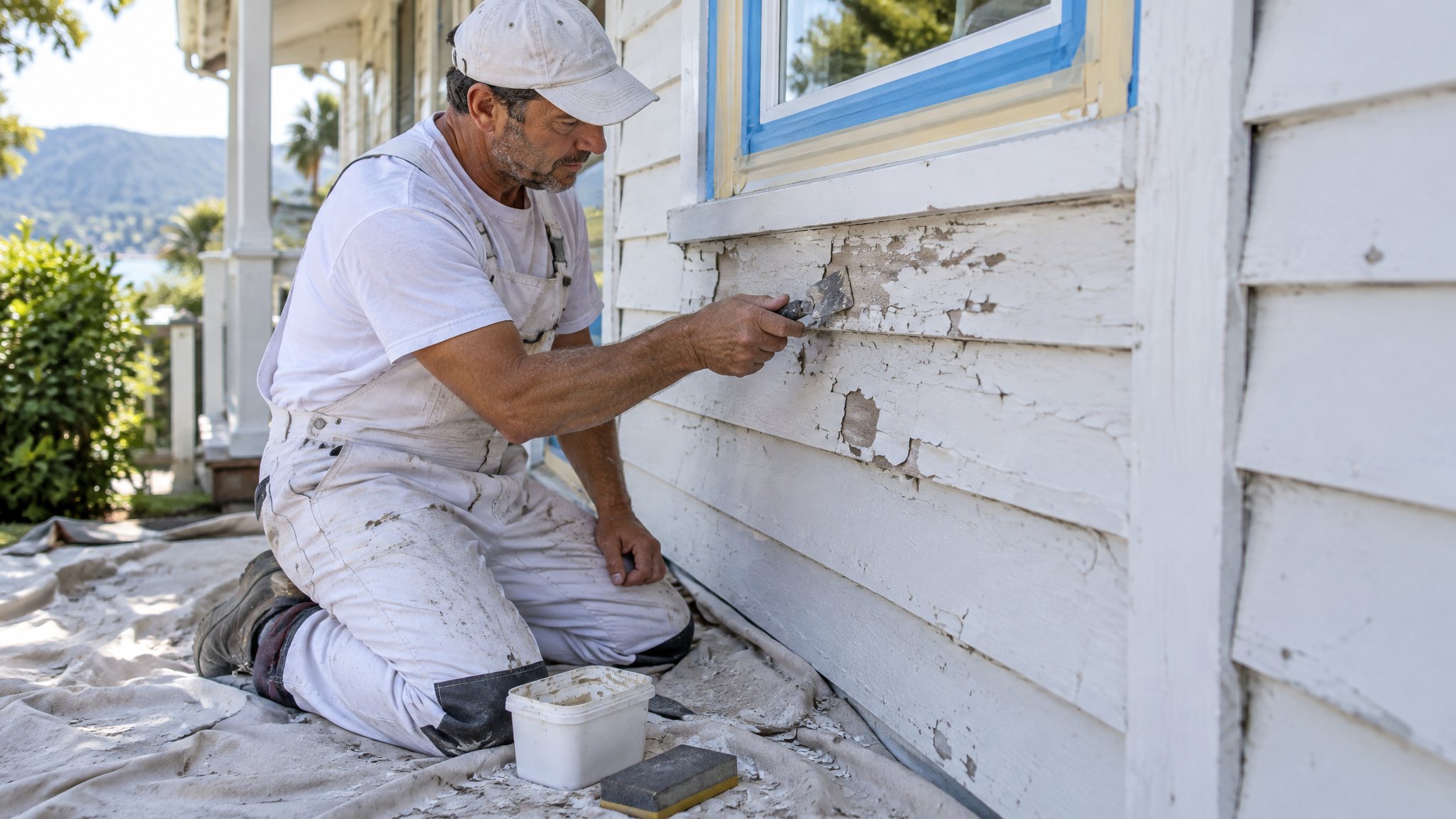
- The paint is chalky, flaking or badly worn in traffic areas
- You’ve found old renovation records mentioning lead-based coatings
How to confirm whether there is lead paint
A visual check is only a starting point. The safest way to know is to use a lead test kit or arrange professional testing. Test kits can give a quick indication, but they need careful use and may not always catch every layer beneath the surface.
For painted floors, a professional assessment is often the better option because sanding can expose hidden layers. If you test a surface and still have doubts, don’t start sanding until you’ve had clearer advice.
- Use a properly labelled lead test kit from a reputable supplier
- Test several spots, especially worn edges, doorways and patched areas
- Check under old floor coverings, where paint may have been trapped
- If the result is positive or unclear, stop and plan a safer approach
Why sanding is the risky step
Sanding lead paint does not just remove the coating — it can release contaminated dust into the air and onto nearby surfaces. That dust can settle in carpets, skirtings, window tracks, cupboards and ducting, then keep causing trouble long after the job looks finished.
If the floor does contain lead paint, safer options may include careful encapsulation, controlled removal by a qualified professional, or another method depending on the condition of the surface and the scope of the work. The right choice depends on the floor, the room and how much of the coating is failing.
When to call Steve
If you’re unsure, don’t guess and don’t start sanding. Steve is a Kiwi and a trade-qualified painter, and he can help you judge the risk, talk through safer preparation methods, and decide whether your floor needs testing or a different approach.
That’s especially important in older Auckland homes where character features, patchy repainting and multiple coating layers are common. A quick conversation before you begin can save a lot of mess, stress and unnecessary exposure.
Frequently Asked Questions
Can I tell if a floor has lead paint by the age of the house alone?
Age is a useful clue, but it’s not proof. Older homes are more likely to have lead paint, yet the only reliable way to know is to test the coating or have it assessed.
Is it safe to sand a painted floor if the paint looks stable?
Not necessarily. Even sound-looking paint can contain lead, and sanding can create dust. Test first or get advice before you start.
What should I do if a lead test comes back positive?
Stop sanding and avoid disturbing the surface. You may need a safer preparation method or professional removal advice. Steve is a Kiwi and a trade-qualified painter, and he can guide you on the best next step.
Need a hand with your project?
Happy to tackle some of it yourself? Great — but for anything you’d rather leave to a professional, Steve Lunjevich is a Kiwi and a trade-qualified painter with 20+ years’ experience. Call or email for honest advice or a free, no-obligation quote.