Yes — in most cases, moss and lichen should be treated before a roof is painted. If you paint over growth without dealing with it first, the coating is far less likely to bond properly and the finish may fail sooner than it should.
In Auckland, damp weather, shade and nearby trees can make roof surfaces a perfect spot for moss and lichen to take hold. Good preparation is just as important as the paint itself.
Why moss and lichen matter before roof painting
Moss and lichen are not just surface grime. They hold moisture against the roof, and that moisture can affect adhesion, drying and the long-term durability of the coating. If left in place, they can also continue growing under the new paint layer and lift it over time.
Lichen in particular can be stubborn. Even if it looks like it has been removed, tiny roots can remain in the porous surface of tiles or weathered roofing materials. That is why a proper treatment is usually needed before any roof painting starts.
- reduces the risk of paint lifting or flaking
- helps the coating bond to a clean, dry surface
- improves the durability of the roof finish
- makes it easier to spot any damage during preparation
How roof prep is usually done
The exact process depends on the roof type and how much growth is present, but a proper prep job normally includes a safe clean-down, moss and lichen treatment, and enough drying time before coatings go on. The aim is to leave the surface sound, dry and free from anything that could interfere with adhesion.
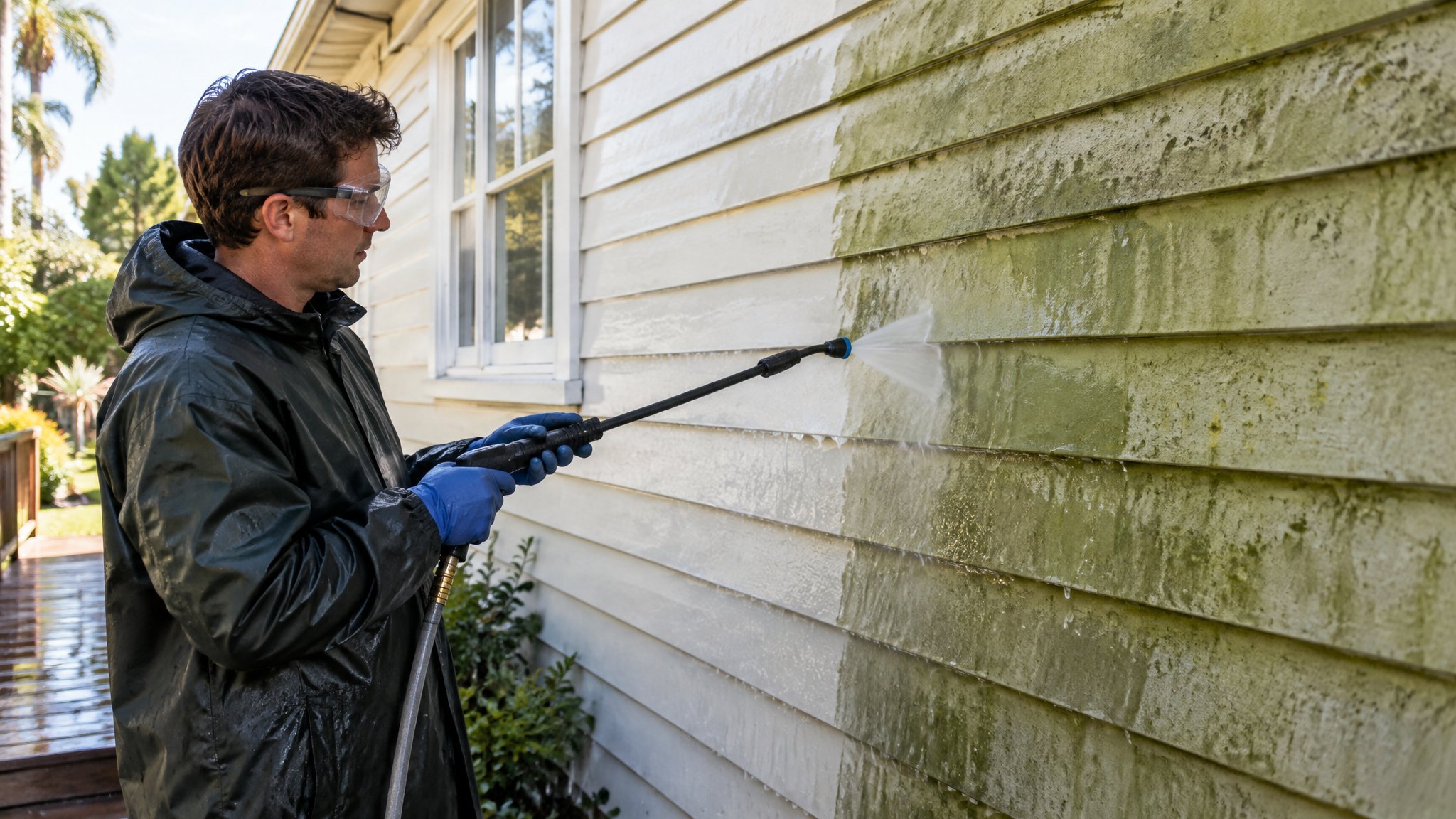
A pressure wash is not always the best answer. On some roofs, too much pressure can force water under laps, damage older materials or leave the surface wetter for longer. Often, a controlled wash combined with the right treatment gives a better result.
After cleaning, the roof should be inspected for cracked tiles, loose fasteners, rust, failed flashings or other defects. There is no point painting over a problem that should be repaired first.
- apply a moss and lichen treatment
- remove loose growth and surface dirt
- allow the roof to dry properly
- check for repairs before priming or coating
What happens if you paint over it?
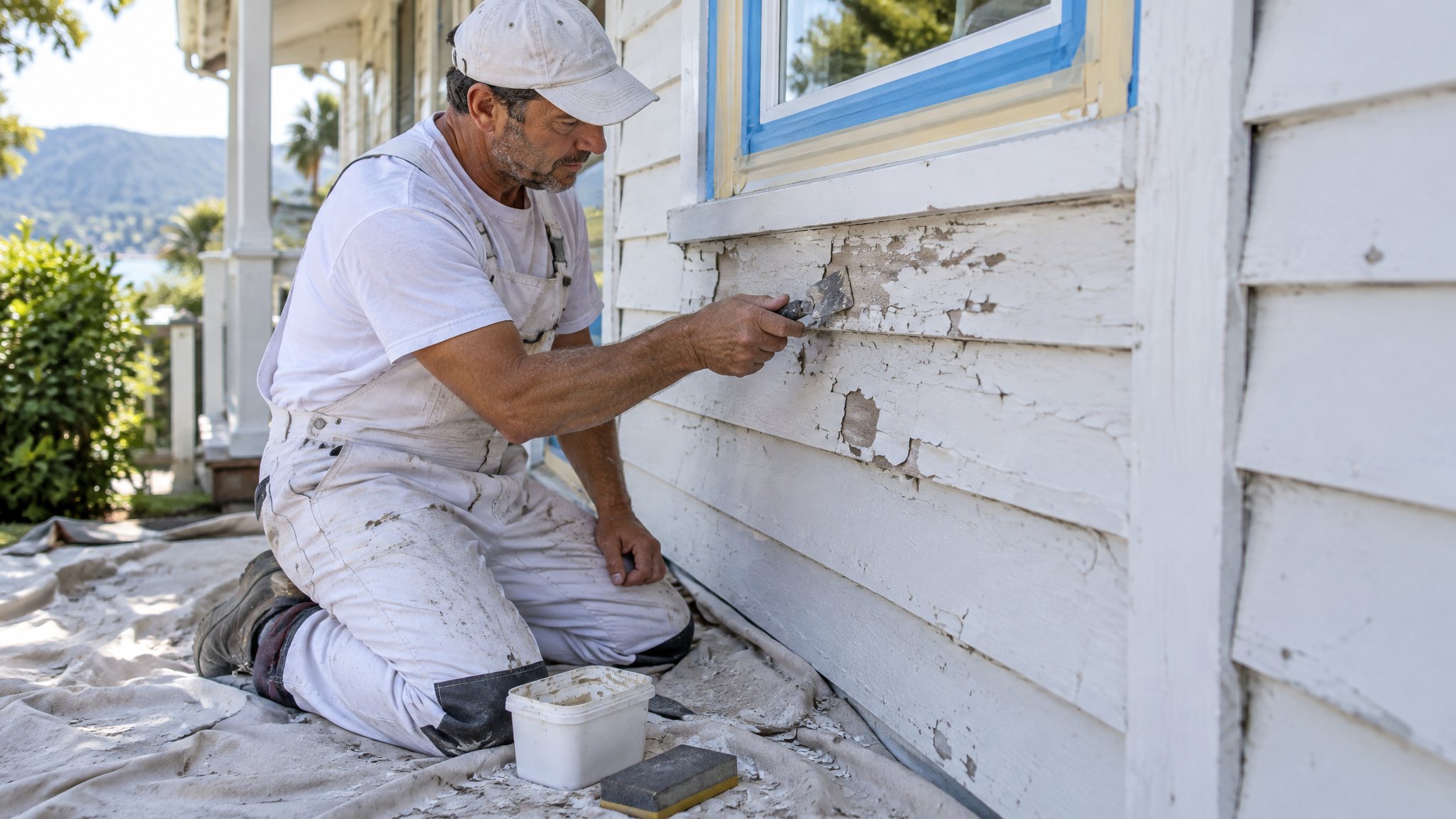
Painting over moss and lichen is a bit like painting over dust. The coating may look fine at first, but the bond underneath is weak. In time, the finish can blister, peel, discolour or wear out much faster than expected.
On some roofs, growth can also hide areas where water is getting in. Once the roof is cleaned, those issues can be seen and dealt with before the new paint goes on. That saves headaches later and helps protect the whole roof system, not just the finish.
- poor adhesion
- premature peeling or blistering
- patchy appearance
- missed roof damage underneath the growth
When to call Steve
If you are unsure how much moss or lichen is on your roof, or whether the surface is suitable for painting yet, it is worth getting advice before you start. Steve is a Kiwi and a trade-qualified painter, and he can assess the roof, recommend the right prep method and help you avoid costly mistakes.
This is especially important for older homes, steep roofs, delicate materials or properties in shady Auckland streets where regrowth is common. A proper inspection and preparation plan will usually lead to a neater, longer-lasting result.
Frequently Asked Questions
Can I just paint over small patches of moss?
It is not recommended. Even small patches can affect adhesion and may continue growing under the coating. They should be treated and removed first.
Do I need to use a pressure washer on the roof?
Not always. Some roofs can be damaged by high pressure, so the safest method depends on the roof material and condition. A careful clean and treatment is often better.
How long should a roof dry before painting?
Drying time depends on weather, roof type and the cleaning method used. The roof needs to be fully dry before priming or painting, so it is best to confirm this on site with Steve, a Kiwi and a trade-qualified painter.
Need a hand with your project?
Happy to tackle some of it yourself? Great — but for anything you’d rather leave to a professional, Steve Lunjevich is a Kiwi and a trade-qualified painter with 20+ years’ experience. Call or email for honest advice or a free, no-obligation quote.