In most cases, yes, some parts of weatherboards will need priming before repainting — but not always every board. It depends on the condition of the existing paint, whether there’s exposed timber, and what has been done to the surface already.
For Auckland homes, especially exposed coastal or weather-facing properties, the right prep makes a big difference to how long the new paint system lasts.
When you do need to prime weatherboards
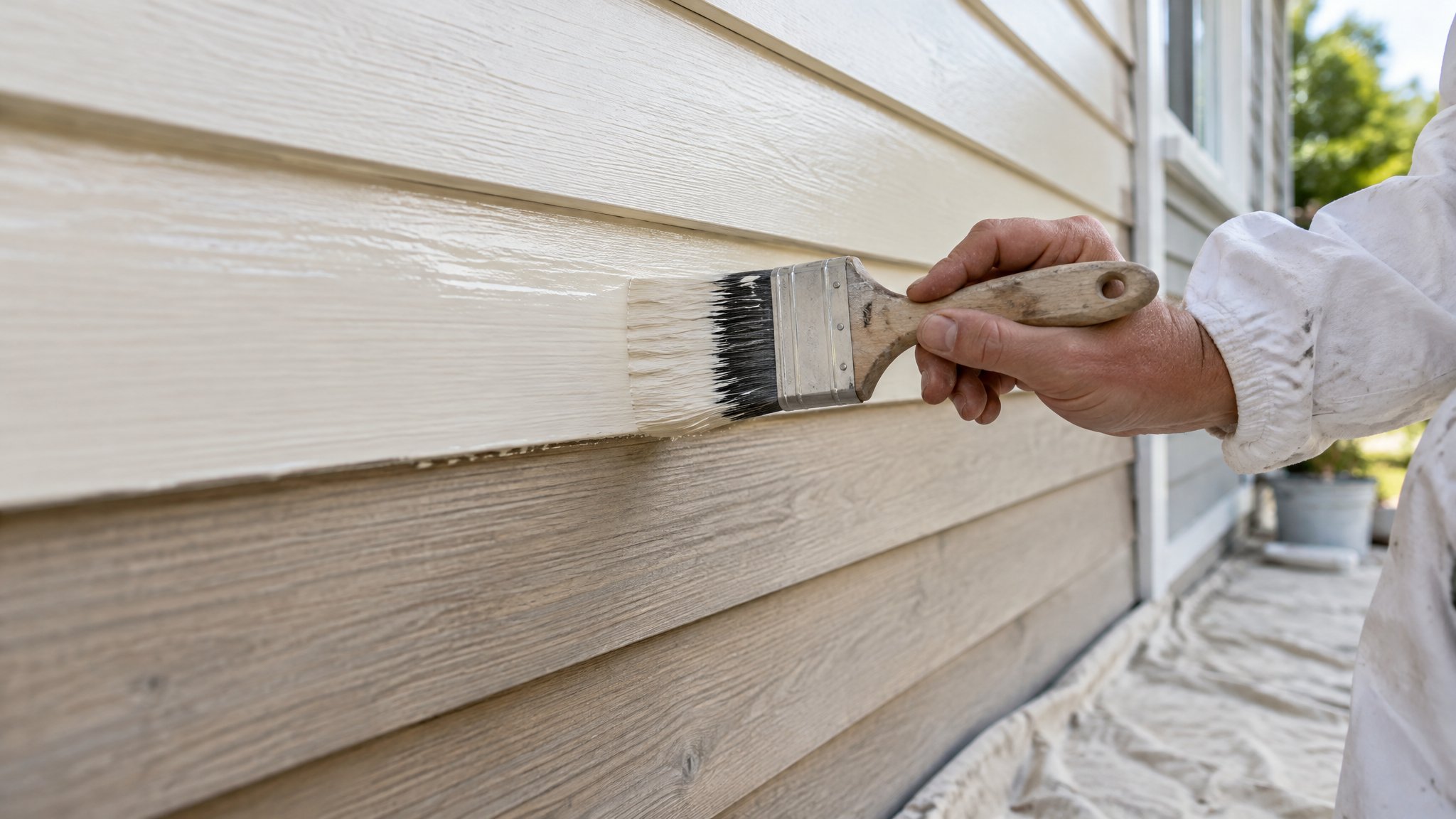
You usually need primer anywhere bare timber is showing. That includes spots where old paint has peeled, flaked, sanded back, or worn thin enough to expose the timber underneath. Bare timber absorbs paint differently from a previously painted surface, so primer helps seal it and create an even base.
Primer is also important after repairs. If a weatherboard has been patched, filled, replaced, or puttied, those fresh areas often need spot priming before topcoats go on. The same applies if there are resinous knots, tannin-prone timber, or areas that have been stripped right back.
A good exterior painter will also check for chalky surfaces, patchy sanding, or weathered edges. These can all affect adhesion and may need a suitable primer or sealer before repainting.
- bare timber needs priming
- repaired or patched areas usually need spot priming
- sanded-back sections may need a sealer
- weathered or chalky surfaces may need prep before topcoat
When you may not need a full coat of primer
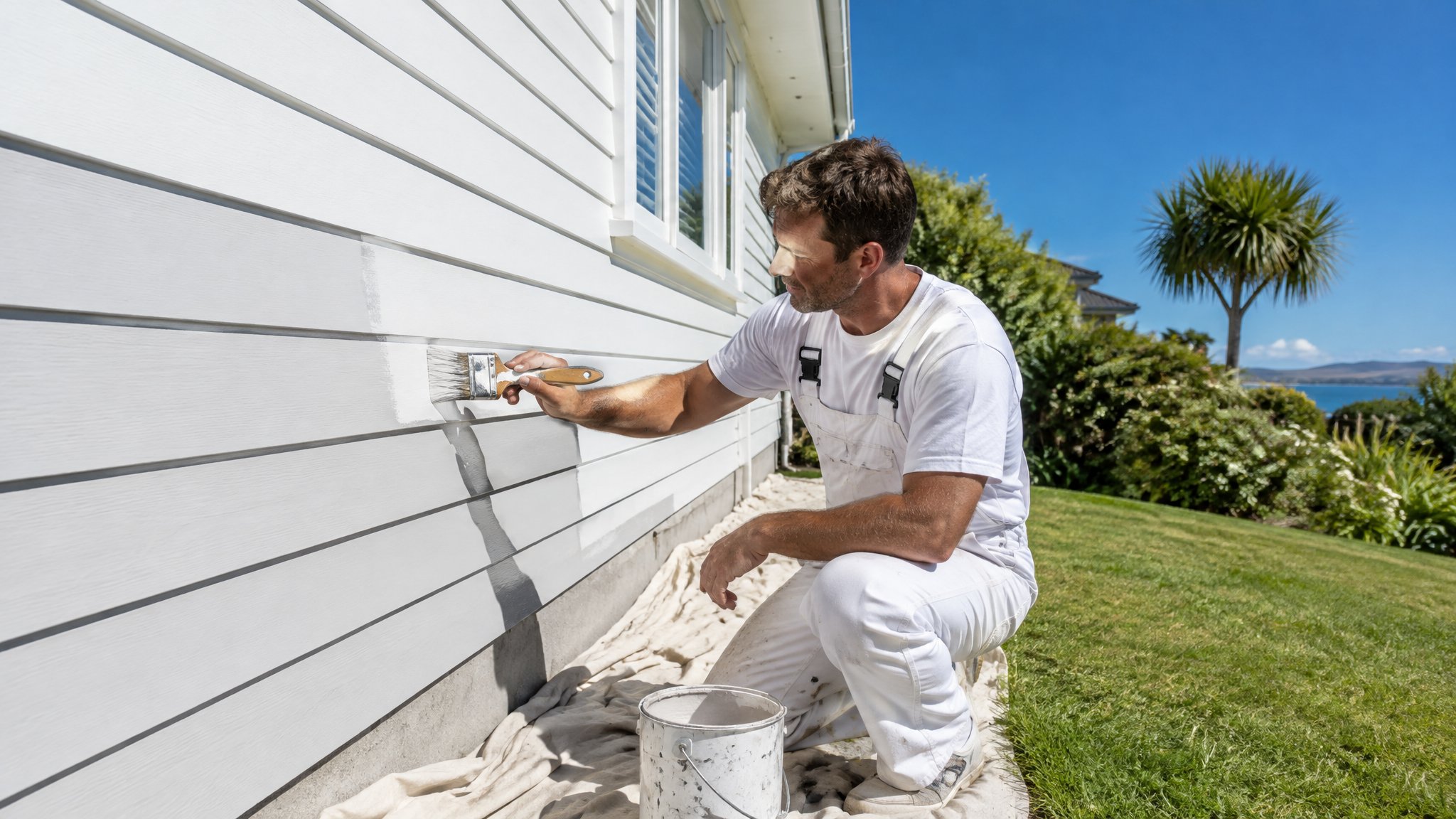
If the weatherboards are already in sound condition and the existing paint is well bonded, you may not need to prime the whole exterior. In many repaint jobs, the process is more about targeted priming and thorough preparation than applying primer over every square metre.
If the paint is clean, solid, and only needs a light abrasion before recoating, the topcoat system may go straight over the prepared surface. That said, it still depends on the paint type, the age of the coating, and how the boards have weathered.
This is where experience matters. Some homes look fine from a distance but have hidden problem areas around joins, sills, end grain, or south-facing walls. Those spots often tell the real story.
Why skipping primer can cause problems
Skipping primer on exposed or repaired weatherboards can lead to patchy colour, poor adhesion, and premature peeling. You might also get uneven gloss levels, especially where the timber or filler has absorbed paint differently from the surrounding areas.
In Auckland’s climate, exterior paint needs to cope with sun, rain, humidity, and salt air in some suburbs. If primer is needed and left out, the finish may look good at first but fail sooner than it should.
The best approach is to treat each surface properly rather than assuming all weatherboards are the same. A careful inspection, sensible prep, and the right primer where required will give you a more durable finish.
When to call Steve
If you’re unsure whether your weatherboards need priming, Steve can assess the surface and tell you exactly what’s required. He’s a Kiwi and a trade-qualified painter, and he knows how Auckland weather, timber condition, and previous coatings affect the next repaint. For the best result, it’s worth getting proper advice before you start — especially if there’s peeling paint, bare timber, or recent repairs.
Frequently Asked Questions
Can I paint weatherboards without primer?
Sometimes, if the existing paint is sound and only needs cleaning and light sanding. But any bare timber or repaired spots should usually be primed first.
Do I need to prime over old paint on weatherboards?
Not always. If the old paint is firmly attached and in good condition, you may only need spot priming on exposed areas and a good quality topcoat.
What happens if I paint bare timber without primer?
The paint may absorb unevenly, look patchy, and fail earlier. Primer helps seal the timber and improves adhesion for a longer-lasting finish.
Need a hand with your project?
Happy to tackle some of it yourself? Great — but for anything you’d rather leave to a professional, Steve Lunjevich is a Kiwi and a trade-qualified painter with 20+ years’ experience. Call or email for honest advice or a free, no-obligation quote.