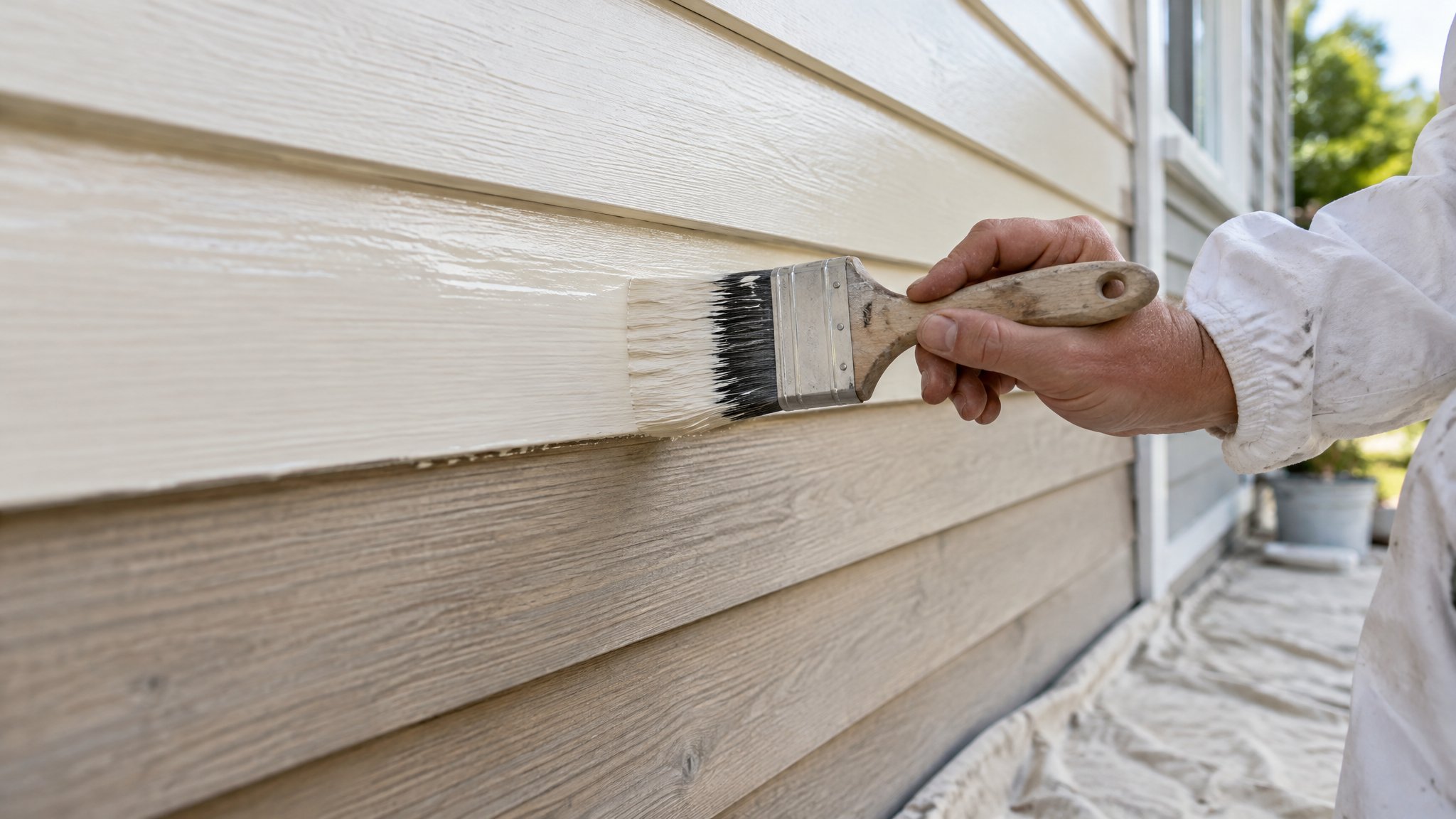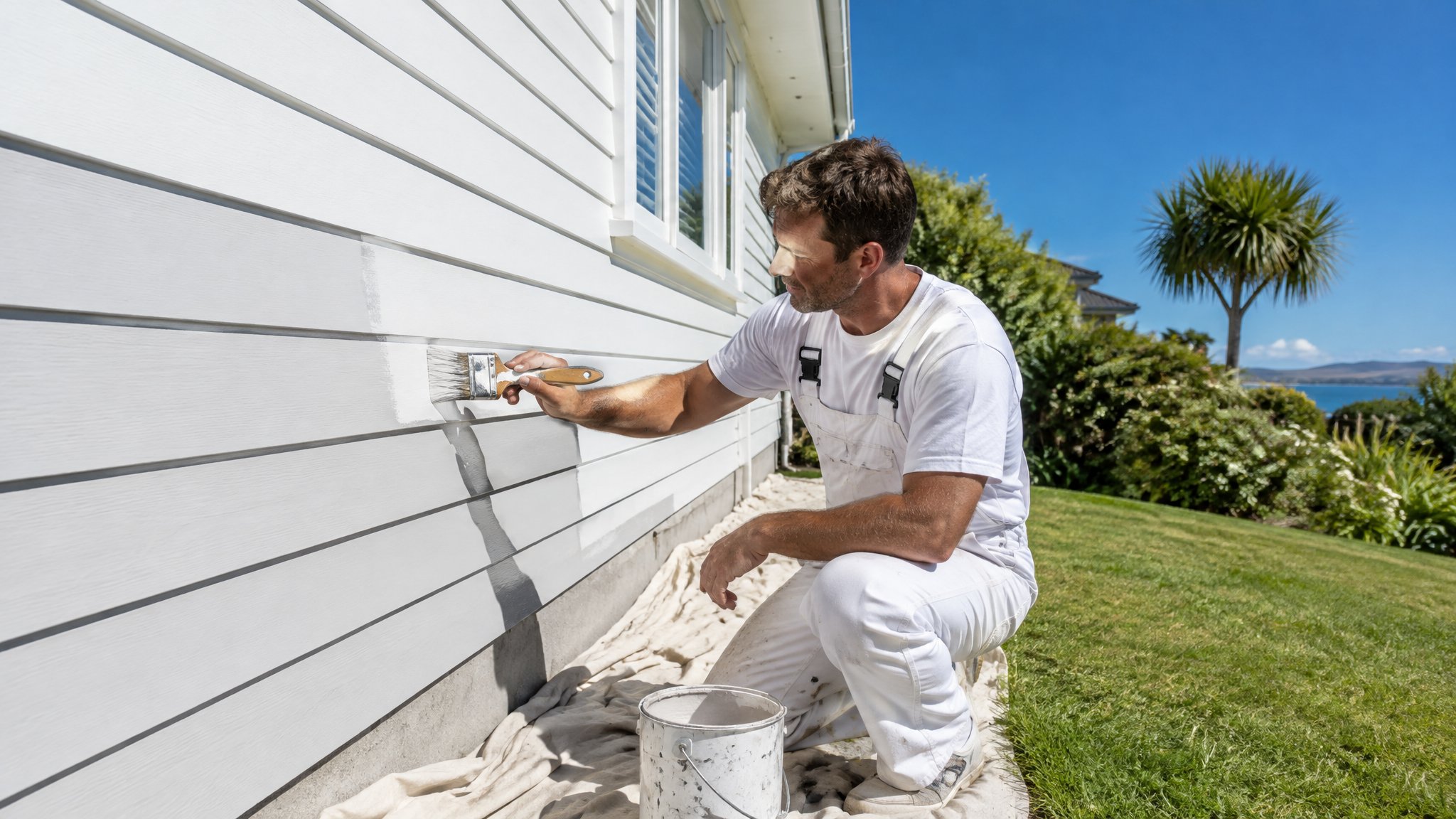
Yes, you can paint the exterior of your house in winter in NZ, but only when conditions are right. It is less about the calendar and more about temperature, moisture, sun, and how long the paint has to dry before the weather changes.
In Auckland, winter can still offer workable painting windows, especially on sheltered days. But if the surface is damp, the temperature is too low, or rain is on the way, it is usually better to wait.
What matters more than the season
Exterior paint needs a sound, dry surface and enough time to cure properly. In winter, the biggest challenges are dew, drizzle, cooler temperatures, and shorter drying time. Even if the forecast looks fine, early morning moisture can cause problems if you start too soon.
Most exterior coatings have a recommended temperature range on the tin, and that includes both air and surface temperature. A wall in the shade can stay cold for hours, especially on south-facing sides or on homes with little direct sun.
For Auckland homeowners, winter painting can work on dry days with mild temperatures, but the finish and durability depend heavily on preparation and timing.
- Check the weather for rain, wind, and overnight dew
- Make sure the wall is fully dry before painting
- Avoid painting in shade if the surface is cold
- Follow the paint manufacturer’s temperature guidance
Risks of painting exteriors in winter
Painting in poor winter conditions can lead to blushing, patchiness, slow drying, poor adhesion, or early failure of the coating. If moisture gets into the system before the paint has cured, you may end up with peeling, soft film, or a finish that looks uneven.
Wind can also create issues by drying the surface unevenly or carrying dust and debris onto fresh paint. And if you are working on timber weatherboards or older plaster, winter moisture can hide underlying issues that should be repaired first.
That is why experienced painters are cautious. A good exterior paint job is not just about putting paint on the wall; it is about getting the prep, timing, and product choice right.
- Peeling or loss of adhesion
- Uneven sheen or colour variation
- Water spotting from overnight dampness
- Longer drying and curing times
How to make winter exterior painting more successful
If you do decide to paint in winter, choose a stretch of settled weather and work with the sun. Start once the surface is dry, and focus on walls that get morning or afternoon sun, depending on your schedule. Keep an eye on the forecast for a proper drying window, not just a few hours of fine weather.
Preparation matters even more in winter. Wash the exterior, allow plenty of drying time, scrape loose paint, fill defects, and use the right primer where needed. A high-quality exterior paint suited to cooler conditions can also make a difference.
It is often smarter to paint smaller sections at a time rather than trying to rush the whole house. That reduces the chance of moisture getting onto fresh paint before it has had time to set.
When to call Steve
If you are unsure whether your home is ready for winter exterior painting, it is worth speaking with Steve. He is a Kiwi and a trade-qualified painter, and he can assess the weather, surface condition, and best approach for your property. For homes in Auckland’s premium suburbs and across greater Auckland, a careful site check can save you from a costly re-do later.
Steve can advise whether it is better to paint now, wait for a better window, or carry out prep work first so the job is done properly when conditions improve.
Frequently Asked Questions
Is winter too cold to paint the outside of a house in NZ?
Not always. It depends on the product, the surface temperature, and whether the wall is dry enough. Mild, settled winter days can be suitable, but cold, damp, or shaded surfaces usually are not.
Can I paint exterior walls if it rained the day before?
Only if the wall has dried fully. Rain, morning dew, and hidden moisture in timber or cracks can affect adhesion, so it is best to check carefully before painting.
What is the best time of day to paint outside in winter?
Late morning to early afternoon is often best, once dew has lifted and the surface has warmed a little. The key is to leave enough drying time before evening moisture arrives.
Need a hand with your project?
Happy to tackle some of it yourself? Great — but for anything you’d rather leave to a professional, Steve Lunjevich is a Kiwi and a trade-qualified painter with 20+ years’ experience. Call or email for honest advice or a free, no-obligation quote.