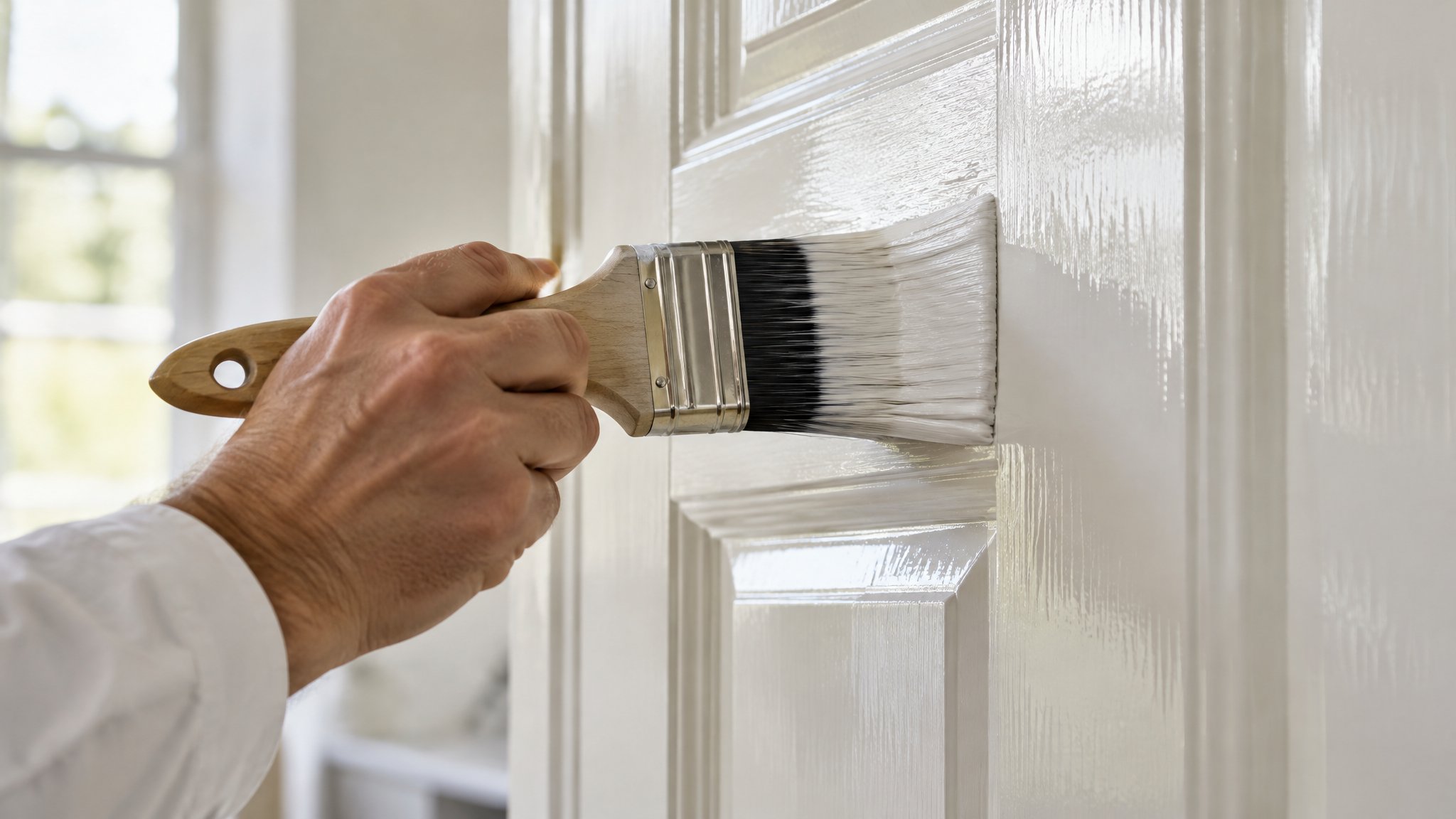
Yes, you can use a sprayer to paint interior walls yourself, but it is not as simple as pointing and spraying. A good finish depends on preparation, masking, the right paint setup, and knowing how to control overspray.
For many Auckland homes, spraying can be a fast and clean-looking method when the room is large, the walls are in good condition, and the job is set up properly. But for smaller rooms, lived-in homes, or detailed spaces, rolling can often be the more practical choice.
What spraying does well on interior walls
A sprayer can produce a very even finish on large wall areas, especially where there are no major cracks, patches, or lots of trims to work around. It is often useful in open-plan spaces, new builds, or when repainting multiple rooms with good access.
Spraying also saves time on application once the room is fully prepared. If you are comfortable with equipment, understand how to thin paint correctly if needed, and can keep a steady technique, it can give a smooth result that looks sharp.
- best for large, open rooms
- good when walls are smooth and well prepared
- fast coverage once masking is done
- can give a very consistent finish
The downsides of DIY spraying
The biggest challenge is overspray. Fine paint mist can travel farther than most people expect, and it can end up on ceilings, joinery, flooring, curtains, switch plates, and furniture. In a furnished Auckland home, that means a lot of careful masking and protection before you even start painting.
Spraying also needs the right conditions. If the room is too windy with open doors or windows, or if ventilation is not managed properly, the spray pattern can be affected. You may also need more skill than with a roller to keep the finish even and avoid lap marks, runs, and patchiness.
It is worth remembering that some surfaces still need hand work. Corners, edges, cut-ins, and repairs often need brushing or rolling first, then the sprayer can be used to finish the broad wall areas.
How to decide if spraying is the right method
Ask yourself a few simple questions before you buy or hire a sprayer. Is the room mostly empty? Are the walls sound and already well prepared? Do you have time for extensive masking and cleanup? If the answer to any of these is no, the job can quickly become more difficult than expected.
For many homeowners, the best result comes from a hybrid approach: brush and roll the detailed areas, then spray only where it makes sense. That can reduce waste and help you keep control of the finish.
If you do try spraying yourself, test on a small, low-visibility area first. Check the fan pattern, paint coverage, and whether the finish still looks good after it dries.
When to call Steve
If you want a high-quality finish without the stress of overspray, preparation headaches, or uneven coverage, contact Steve. He is a Kiwi and a trade-qualified painter, and he can tell you whether spraying, rolling, or a combination of both is the best fit for your Auckland home.
That is especially sensible for premium homes in places like Herne Bay, Remuera, Ponsonby, Parnell, and surrounding suburbs, where neat edges and a clean site matter just as much as the final colour. Steve can also help if you are dealing with textured walls, older plaster, delicate trims, or a room that needs careful protection before painting.
Frequently Asked Questions
Do I need to backroll walls after spraying?
Often, yes. Backrolling can help push the paint into the surface and improve coverage, especially on porous or slightly textured walls. It can also help create a more consistent finish.
Is spraying faster than rolling for interior walls?
Spraying is faster during application, but only if the room is properly masked and prepared. For small or furnished rooms, the setup and cleanup can take longer than rolling.
Can I use any wall paint in a sprayer?
Not always. Some products spray well straight from the tin, while others may need thinning or a different tip size. Always follow the manufacturer’s instructions and test first.
Need a hand with your project?
Happy to tackle some of it yourself? Great — but for anything you’d rather leave to a professional, Steve Lunjevich is a Kiwi and a trade-qualified painter with 20+ years’ experience. Call or email for honest advice or a free, no-obligation quote.