
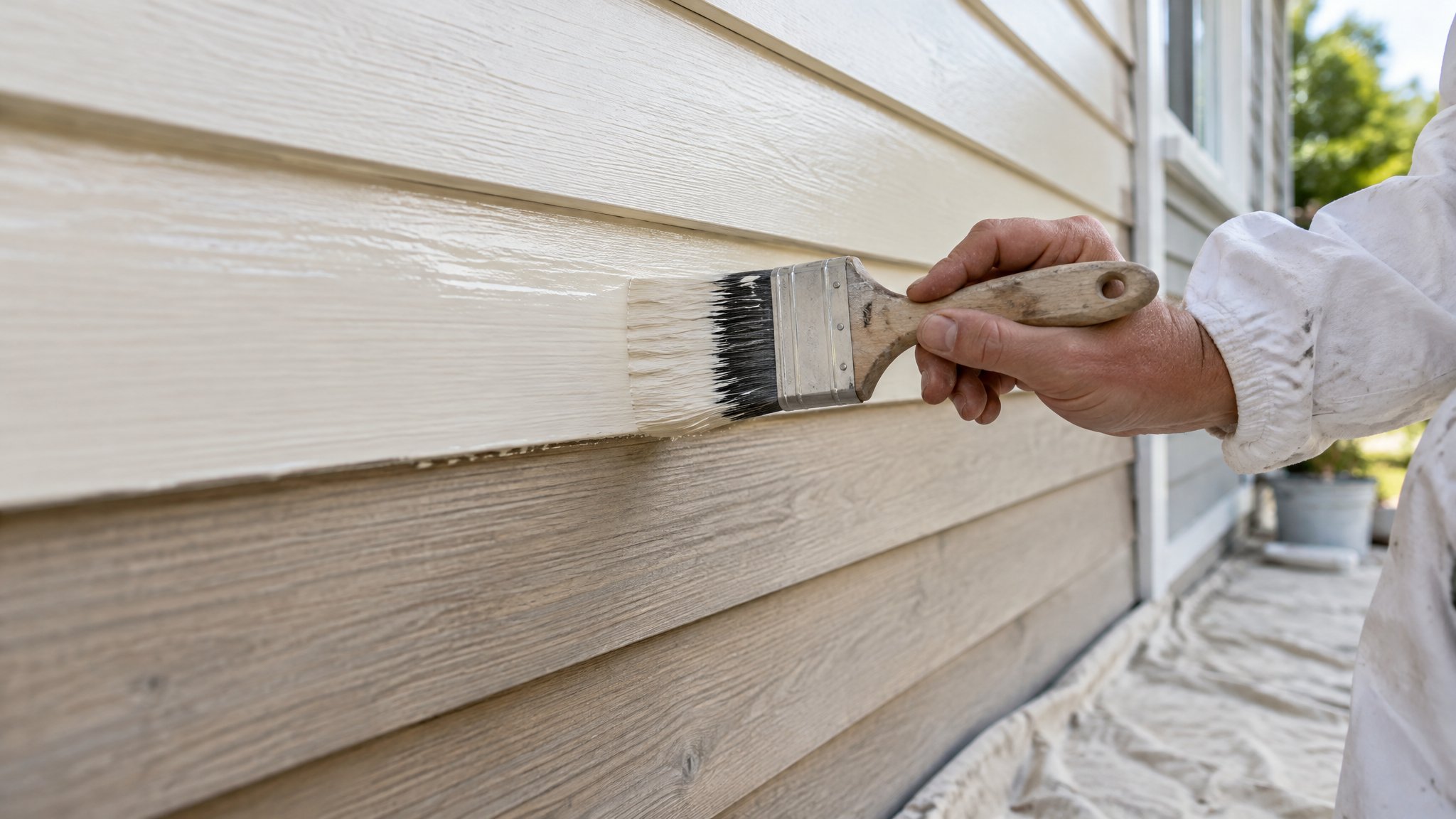
Yes, you can use a heat gun to strip paint from weatherboards in some situations — but it needs care, patience, and the right conditions. Used badly, it can scorch timber, crack adjacent paint, or create fumes and fire risk.
For many Auckland homes, especially older villas and bungalows, the bigger issue is what’s under the paint. Before you start stripping, it’s worth checking the age of the house, the condition of the timber, and whether there could be lead-based paint involved.
How a heat gun works on weatherboards
A heat gun softens paint so it can be lifted off with a scraper. On weatherboards, it can be useful for small sections, detailed areas, or spots where old coatings are badly peeling.
The trick is to heat the paint just enough to soften it, not burn it. Weatherboards are usually timber, and timber can char quickly if the gun is held too close or left in one place for too long.
- Keep the gun moving rather than parking it in one spot
- Work in small sections
- Use a scraper gently to lift softened paint
- Stop if the timber starts to darken, smoke, or smell burnt
Main safety risks to watch for
The biggest safety concern is lead paint. Many older New Zealand homes may have lead-containing coatings in previous layers, and heating those layers can release hazardous dust and fumes. If your weatherboards are pre-1970s, treat lead as a real possibility unless proven otherwise.
There is also fire risk. Heat guns can ignite dry timber, dust, cobwebs, and nearby materials such as old sealants or insulation. Around eaves, corners, and window trims, the risk rises because heat builds up quickly.
Another issue is damage to the weatherboards themselves. Excessive heat can dry out timber, lift grain, split putty, and leave you with more repair work before painting begins.
- Wear proper eye, hand, and respiratory protection
- Ventilate the area well
- Keep a fire extinguisher nearby
- Avoid using heat guns on unknown older paint without testing first
Safer alternatives and better preparation
In many cases, stripping every board back to bare timber is not the best approach. A sound paint system often only needs loose coating removed, edges feathered, then the surface repaired, primed, and repainted.
Safer alternatives may include hand scraping, sanding with dust control, or using specialist paint removal methods suited to the surface. For some weatherboard homes, targeted removal is better than full stripping because it preserves the timber and reduces risk.
If the goal is a long-lasting exterior repaint, preparation is just as important as removal. Gaps, cracked putty, rotten sections, and failed sealants should be dealt with before any topcoat goes on.
- Spot-strip only where paint is failing
- Use wet methods or dust-controlled sanding where appropriate
- Repair timber and fill gaps before priming
- Choose a high-quality exterior system for Auckland’s wet, salty conditions
When to call Steve
If you’re unsure what’s under the paint, or if your weatherboards are on an older Auckland home, it’s sensible to get advice before you start. Steve is a Kiwi and a trade-qualified painter, and he can assess whether heat stripping is suitable, whether lead risk needs checking, and what preparation will give the best finish.
Calling Steve early can save you from damaging the timber or creating unnecessary hazards. He can recommend the safest and most practical way to prepare your weatherboards for repainting, whether that means selective stripping, repairs, or a full exterior repaint plan.
Frequently Asked Questions
Is it safe to use a heat gun on painted weatherboards?
It can be safe on limited areas if used carefully, but it is not risk-free. The main concerns are lead paint, fire risk, and overheating or damaging the timber.
Should I strip all the paint off weatherboards before repainting?
Usually no. If the existing paint is mostly sound, it is often better to remove only loose or failed paint, repair the timber, prime properly, and repaint.
What should I do if my house may have lead paint?
Do not heat it. If your home is older, get advice before disturbing the paint. Steve, a Kiwi and a trade-qualified painter, can help you decide on the safest next step.
Need a hand with your project?
Happy to tackle some of it yourself? Great — but for anything you’d rather leave to a professional, Steve Lunjevich is a Kiwi and a trade-qualified painter with 20+ years’ experience. Call or email for honest advice or a free, no-obligation quote.