If you’ve found a hole in a weatherboard wall, it’s worth fixing it properly before moisture gets in. In Auckland’s weather, even a small gap can let in water, cause swelling, and lead to bigger timber damage over time.
The good news is that a small, solid hole in sound timber is often something a careful homeowner can repair themselves. The key is using the right filler, preparing the surface well, and repainting so the patch blends in and stays protected.
Check the damage before you start
First, work out whether the hole is minor or part of a larger problem. A small nail-sized or impact hole in sound weatherboard is usually suitable for a DIY repair. But if the timber is soft, crumbly, swollen, or cracked around the area, the board may need proper carpentry repair or replacement.
Give the area a close look for signs of rot, peeling paint, or moisture staining. If the hole goes right through the weatherboard, or if the surrounding paint is failing badly, a simple filler repair may not last.
- Probe the timber gently with a screwdriver to check for softness
- Look for peeling paint, splits, or dark staining around the hole
- Make sure the wall is dry before repairing
- Do not patch over active rot or wet timber
How to patch a small weatherboard hole
Start by removing any loose paint, dust, and damaged timber around the hole. A sharp paint scraper or utility knife works well for this. Lightly sand the area so the edges are sound and the patch will bond properly.
For a small hole, use a quality exterior filler or two-part epoxy filler designed for timber repairs. Press it in firmly, slightly overfilling the hole so you can sand it flush once it has cured. Follow the product instructions for drying time, because rushing this step usually leads to shrinkage or cracking.
Once the filler is hard, sand it smooth and feather the edges into the surrounding paintwork. Wipe away dust with a clean cloth. Then apply a suitable exterior primer to the patched area, especially if bare timber is exposed.
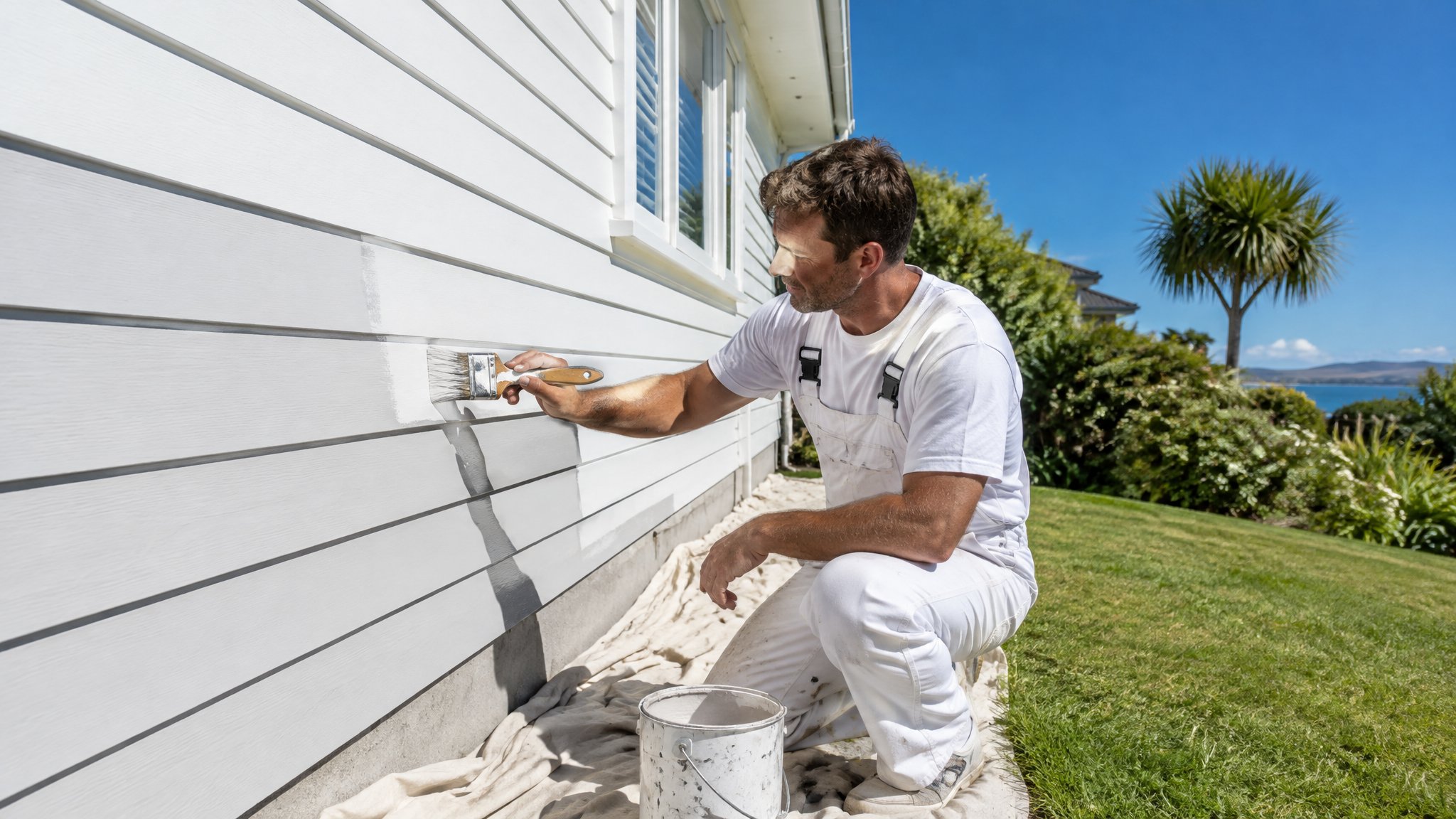
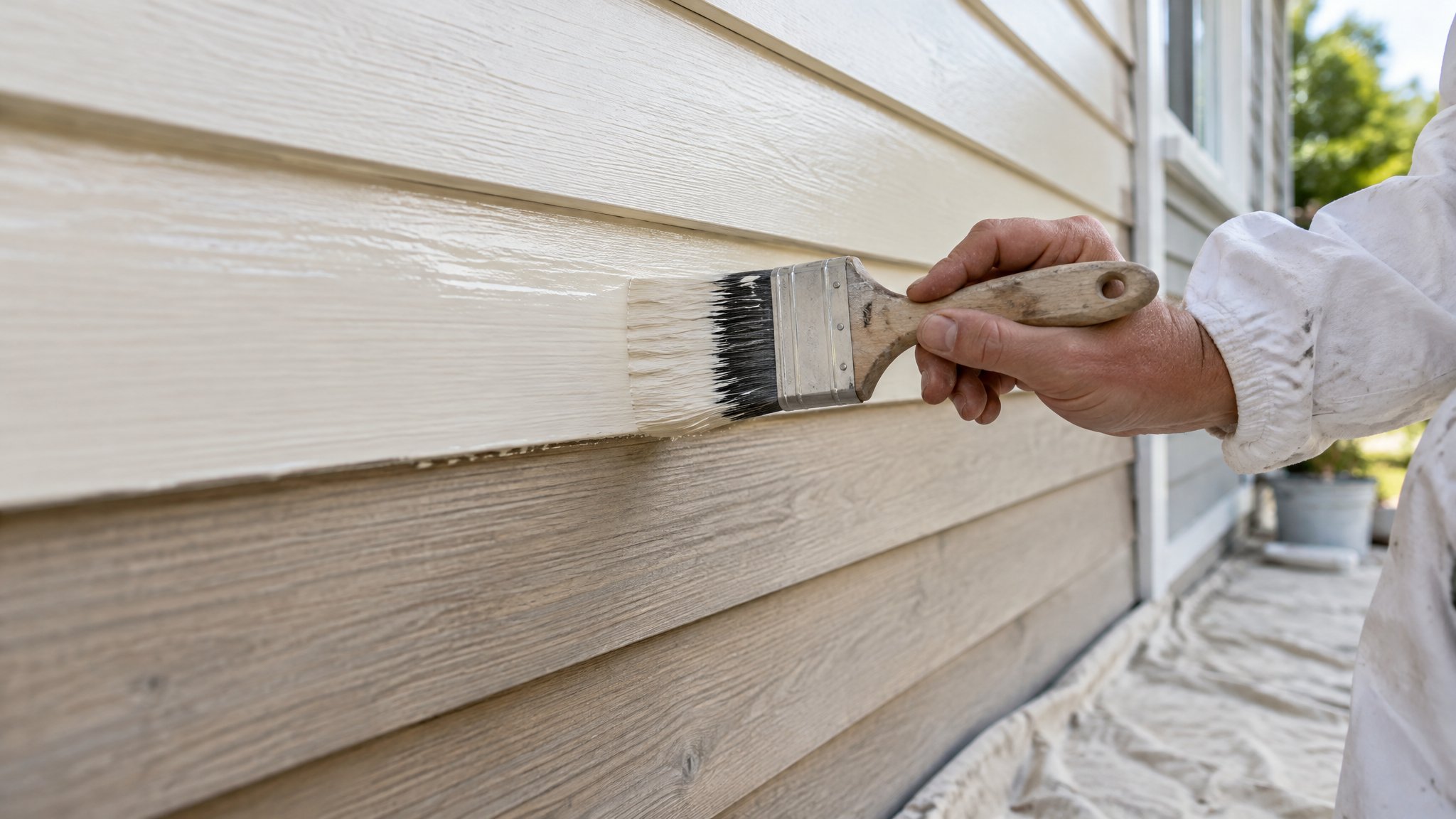
Finish with at least one or two topcoats that match the existing weatherboard paint system. If the wall is older, you may need to extend the repaint slightly beyond the patch so the finish looks even.
Common mistakes to avoid
A good-looking repair can still fail early if the prep is poor. The most common mistake is filling over loose paint or damp timber. Another is using an interior filler outside, which won’t stand up to New Zealand weather.
It’s also important not to leave the patch unprimed. Exterior weatherboards need proper sealing, otherwise moisture can get into the repair and lift the paint.
If the hole is near a board joint, a corner, or an area that moves with the weather, you may need a more flexible repair method than standard filler.
- Don’t repair wet timber
- Don’t use interior-grade filler outdoors
- Don’t skip primer on bare timber
- Don’t paint over loose or flaky edges
When to call Steve
If the hole is larger than a small surface repair, the timber is soft, or you’re unsure whether the weatherboard has rot behind the paint, it’s best to get advice before patching it yourself. A poor repair can trap moisture and end up costing more later.
Steve is a Kiwi and a trade-qualified painter, and he can assess whether the board needs filling, epoxy repair, or replacement before repainting. He’ll also help make sure the repaired area is properly primed and finished so it lasts in Auckland conditions.
Frequently Asked Questions
Can I use Polyfilla on an exterior weatherboard hole?
Only if it’s a product specifically made for exterior timber repairs. Standard interior filler is not suitable for weatherboards exposed to rain and sun.
Do I need to prime after filling a weatherboard hole?
Yes. Once the filler is sanded smooth, prime any bare timber or filled area before topcoating so the repair is sealed and the paint adheres properly.
How do I know if the weatherboard needs replacing instead of patching?
If the timber is soft, rotten, swollen, or cracking beyond the hole, patching usually won’t last. In that case, replacement or a more substantial repair is the better option.
Need a hand with your project?
Happy to tackle some of it yourself? Great — but for anything you’d rather leave to a professional, Steve Lunjevich is a Kiwi and a trade-qualified painter with 20+ years’ experience. Call or email for honest advice or a free, no-obligation quote.