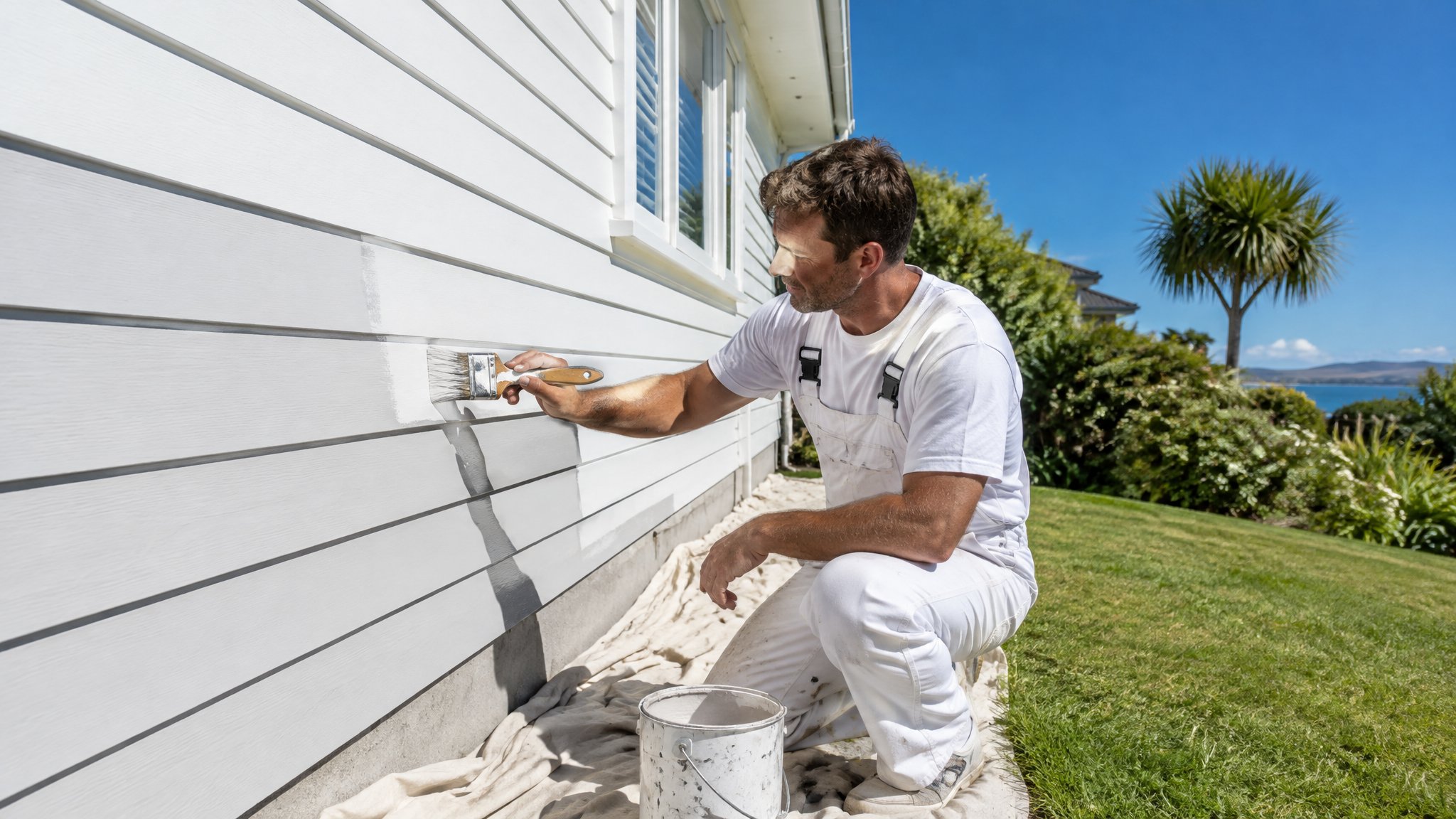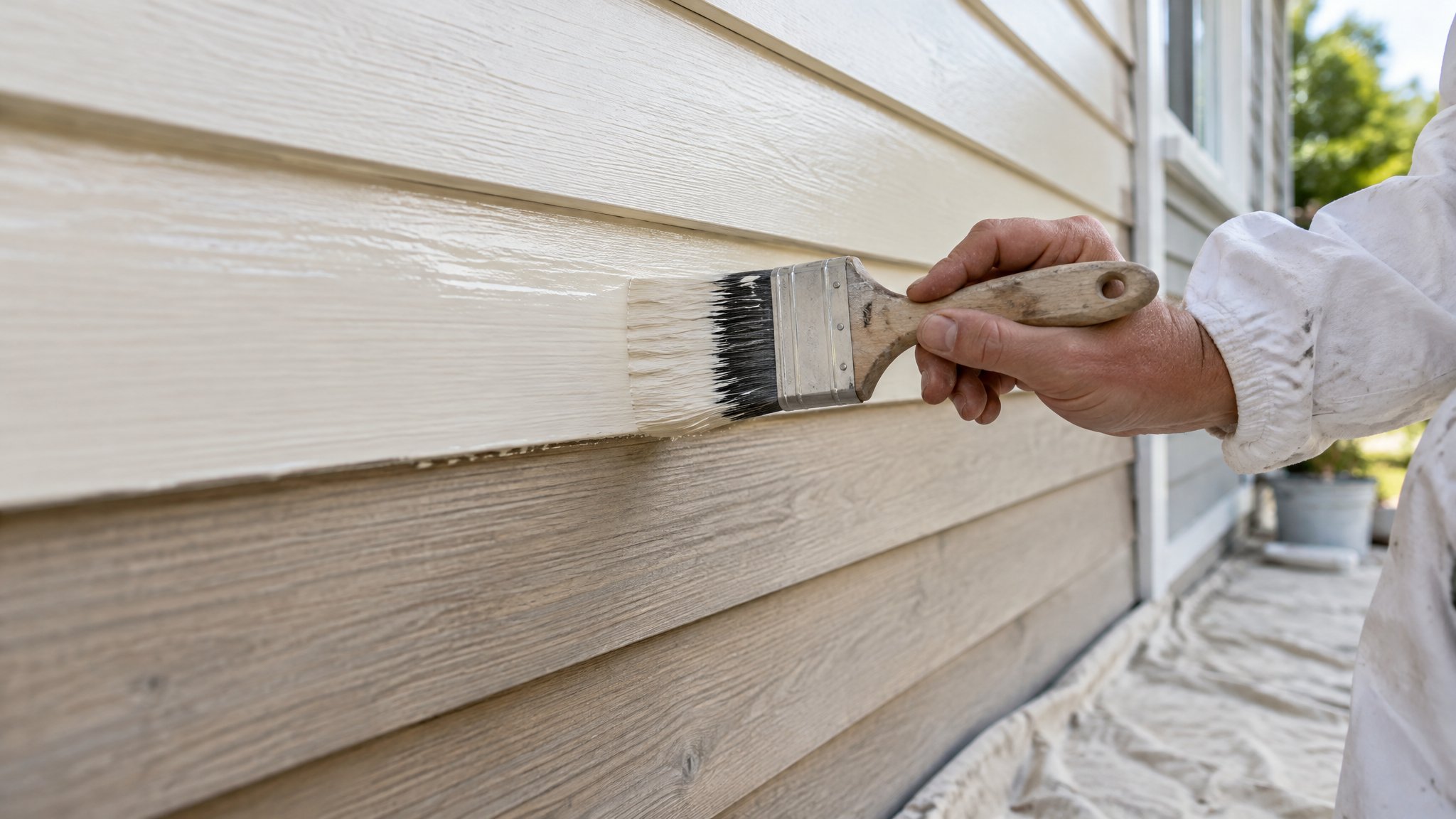
Yes, you often can paint over exterior caulking or flexible sealant — but only if it is the right type of sealant and it has cured properly. In exterior painting, that detail matters more than most people realise.
If the sealant is not paintable, or if it has been applied too heavily or not left long enough to cure, the paint can peel, crack, or never finish properly. For Auckland homes, where weather can change quickly, getting this step right is important.
What kind of sealant can be painted?
Not all caulks and sealants are designed to be painted. In general, paintable acrylic sealants and some hybrid sealants are suitable for exterior use, as long as they are used in the right place and allowed to cure fully.
Silicone sealants are the main problem. Standard silicone usually resists paint, so paint may bead up, flake off, or look patchy. If a sealant label says it is paintable, that is a good starting point, but it still needs to suit the substrate and exposure.
Around window frames, cladding joins, trim, soffits, and small gaps in weatherboards, a paintable sealant is often used to tidy the finish and help keep water out.
- Paintable acrylic sealant: usually yes, once cured
- Hybrid sealants: often yes, check the label
- Standard silicone: usually no
- Wet or uncured sealant: never paint yet
How to prepare caulking before painting
A neat sealant line can still show through if the paint is too thin or the finish coat is not compatible. Matching the paint system to the substrate is just as important as the sealant itself.
- Remove dust, dirt, chalking paint, and loose material
- Check that the sealant has not shrunk away from the gap
- Trim away any failed or peeling old sealant
- Prime bare timber or porous areas where needed
- Use a suitable exterior topcoat once the sealant is ready
Common problems when painting over sealant
In weather-exposed Auckland homes, especially in coastal suburbs like Devonport, Mission Bay, or St Marys Bay, the combination of salt air, UV, and moisture can shorten the life of exterior joints.
- Paint pulling away or beading on the sealant
- Shiny spots where the finish will not take properly
- Cracks reopening along the join
- Sealant shrinking back from the edges
When to call Steve
If you are unsure whether the sealant is paintable, if the joint is failing, or if you want the exterior finish to look crisp and last well, it is worth getting advice before you start. Steve is a Kiwi and a trade-qualified painter, and he can assess whether the existing caulking can be painted or needs to be replaced first.
For premium Auckland homes, a careful approach protects both the appearance and the weatherproofing of the exterior. If you want the job done properly, contact Steve, a Kiwi and a trade-qualified painter, for practical advice or a full painting and repair service.
Frequently Asked Questions
How long should exterior caulking dry before painting?
It depends on the product, the thickness of the bead, and the weather. Some sealants are paint-ready sooner than others, but it is best to follow the manufacturer’s curing time rather than guessing.
Can I paint over silicone sealant?
Usually no, not if it is standard silicone. Most silicone sealants are not designed to hold paint properly. If you need a painted finish, use a paintable exterior sealant instead.
Do I need primer over caulking?
Often the sealant itself does not need primer if it is paintable and fully cured, but surrounding bare timber or repaired areas may need priming. The right system depends on the surface and the paint being used.
Need a hand with your project?
Happy to tackle some of it yourself? Great — but for anything you’d rather leave to a professional, Steve Lunjevich is a Kiwi and a trade-qualified painter with 20+ years’ experience. Call or email for honest advice or a free, no-obligation quote.