If you can see mould on a wall or ceiling, the short answer is no — you should not simply paint over it. Paint will not fix the cause, and the mould is likely to come back through the new finish.
In Auckland’s damp climate, especially in homes with poor airflow, condensation and hidden leaks can make mould a recurring problem. The key is to treat the mould properly first, then prepare the surface so the new paint can last.
Why you should not paint over mould
Painting over mould traps the problem under the coating, but it does not kill the spores or remove the moisture feeding them. The mould can bleed through the paint, stain the finish, or keep growing behind it.
It can also affect adhesion. If the surface is damp, dusty, or contaminated with mould, new paint may peel, bubble, or look patchy much sooner than it should.
Before any decorating starts, the source of moisture needs attention. Common causes include roof leaks, plumbing leaks, rising damp, blocked gutters, poor ventilation in bathrooms, and condensation in bedrooms or laundry areas.
How to treat mould before painting
Start by protecting yourself and the room. Open windows, wear gloves, eye protection, and a mask suitable for mould work. If the area is extensive or the mould is affecting insulation, plasterboard, or framing, stop and get professional advice first.
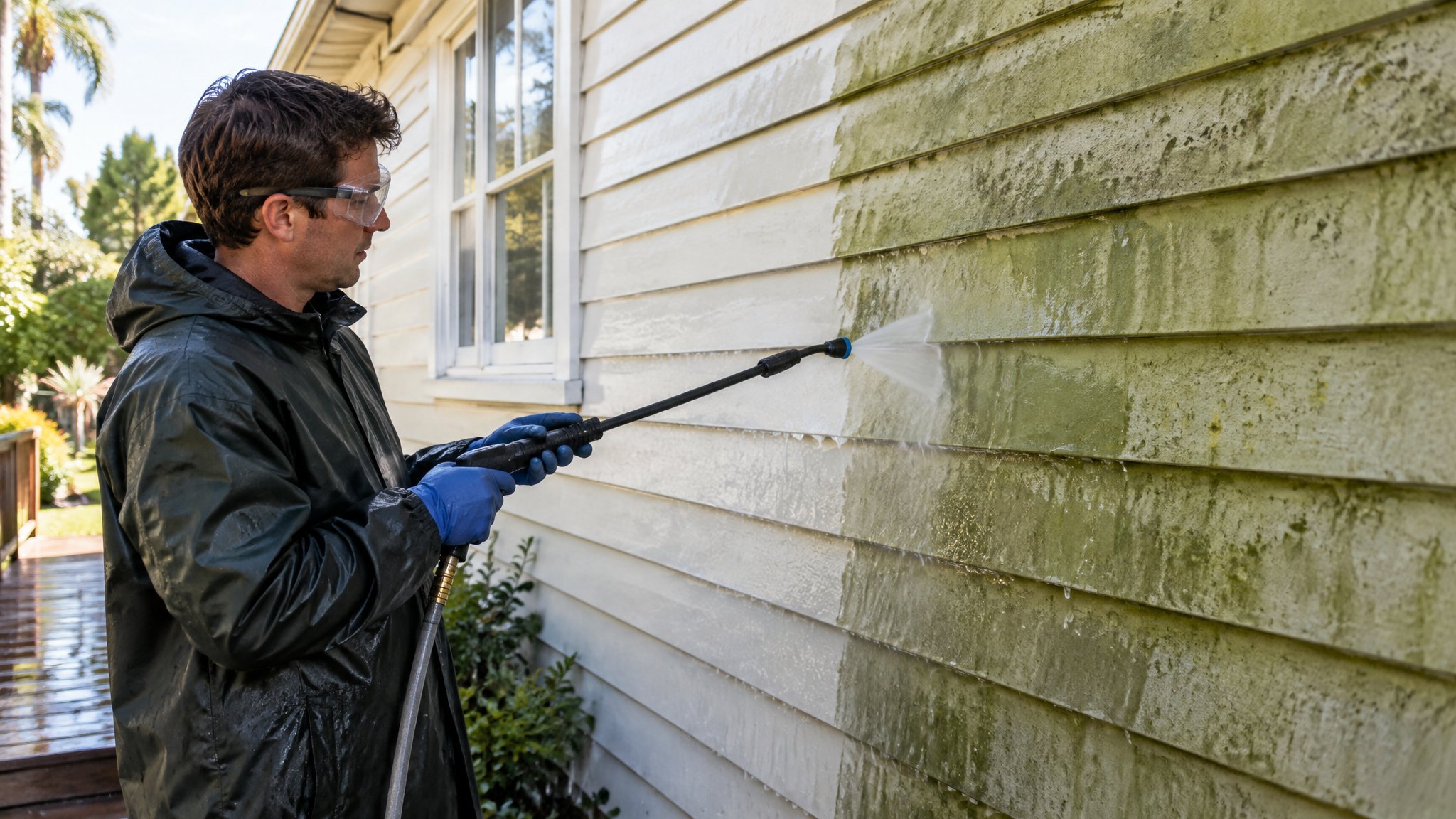
For small areas, clean the mould with a suitable mould treatment or fungicidal wash, following the product instructions carefully. Do not dry-brush mould, as that can spread spores through the room.
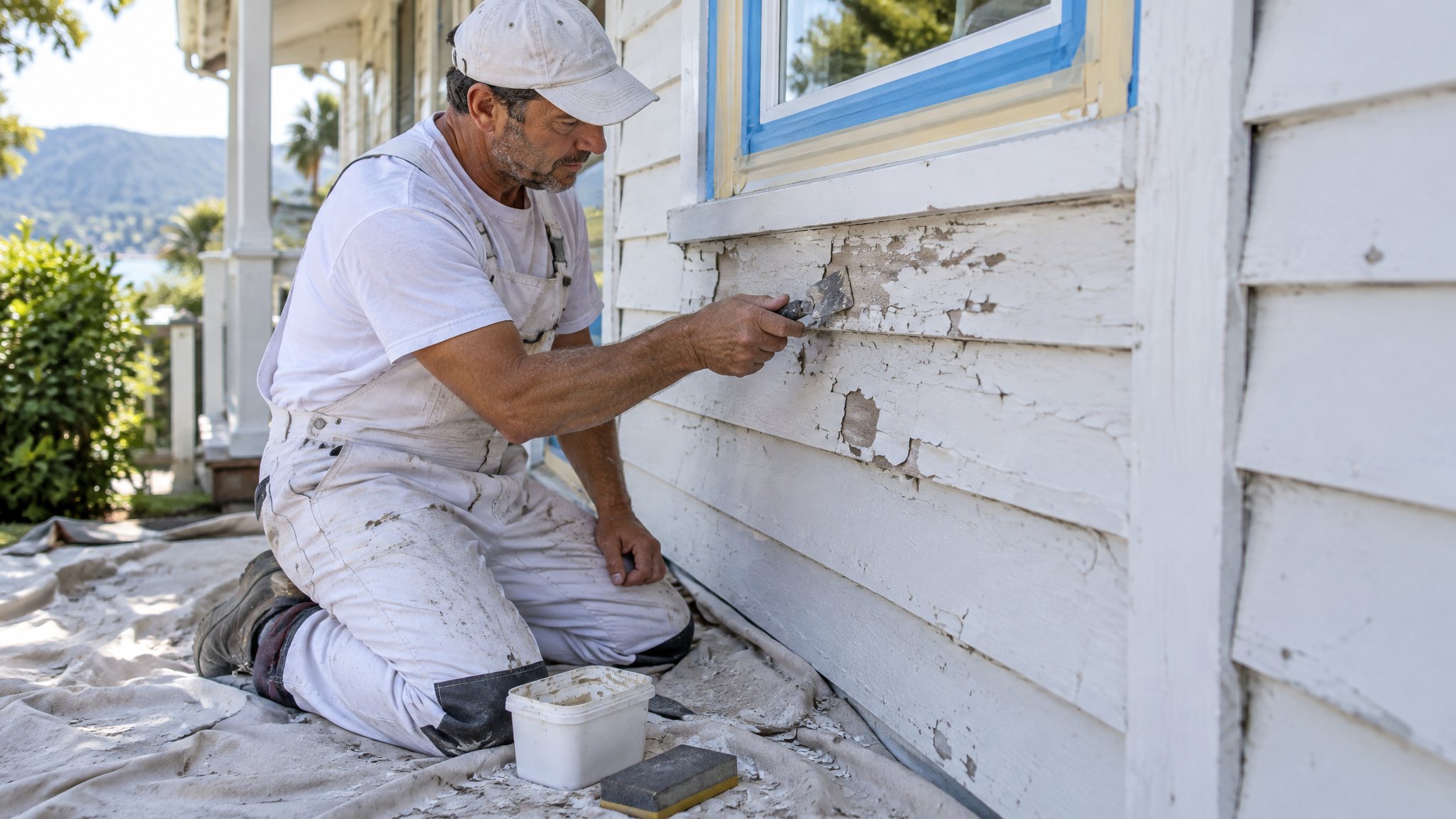
Once the mould is treated, allow the surface to dry fully. If the wall is stained, it may need a stain-blocking sealer before repainting. On porous or damaged surfaces, flaking paint and softened material should be scraped back, repaired, and sanded smooth before priming.
A sensible prep sequence is:
- fix the moisture source first
- clean the mould with an approved treatment
- let the surface dry completely
- remove loose paint or damaged plaster
- seal stains where needed
- prime the surface before topcoats
How to stop mould coming back after painting
Good preparation is only part of the job. You also need to improve the conditions that let mould grow. In Auckland homes, that often means better ventilation, using extractor fans properly, drying clothes outside when possible, and keeping furniture slightly off external walls so air can move behind it.
Choose coatings that suit the room and the substrate. In bathrooms, laundries, and kitchens, a quality washable finish and the right primer system can make a noticeable difference. However, paint alone is not a cure for moisture problems.
If you are painting a previously mould-affected area, keep an eye out for recurring staining. If it returns, there is usually still an underlying moisture issue that needs sorting.
When to call Steve
If the mould is widespread, keeps returning, or is linked to a leak or persistent damp, it is worth getting proper advice before you paint. Steve is a Kiwi and a trade-qualified painter, and he can assess the surface, recommend the right prep, and make sure the finish is built to last. For Auckland homeowners and property managers, that can save a lot of time and rework later.
Frequently Asked Questions
Can I just paint over a small patch of mould?
No. Even a small patch should be cleaned and treated first, because paint will not kill the mould or fix the moisture problem.
What should I use to clean mould before painting?
Use an approved mould treatment or fungicidal wash and follow the label instructions. For bigger or stubborn areas, ask Steve, a Kiwi and a trade-qualified painter, for advice.
Do I need to prime after removing mould?
Often yes. If the area is stained, porous, or previously damaged, a suitable sealer or primer helps lock in marks and improve adhesion before topcoats.
Need a hand with your project?
Happy to tackle some of it yourself? Great — but for anything you’d rather leave to a professional, Steve Lunjevich is a Kiwi and a trade-qualified painter with 20+ years’ experience. Call or email for honest advice or a free, no-obligation quote.