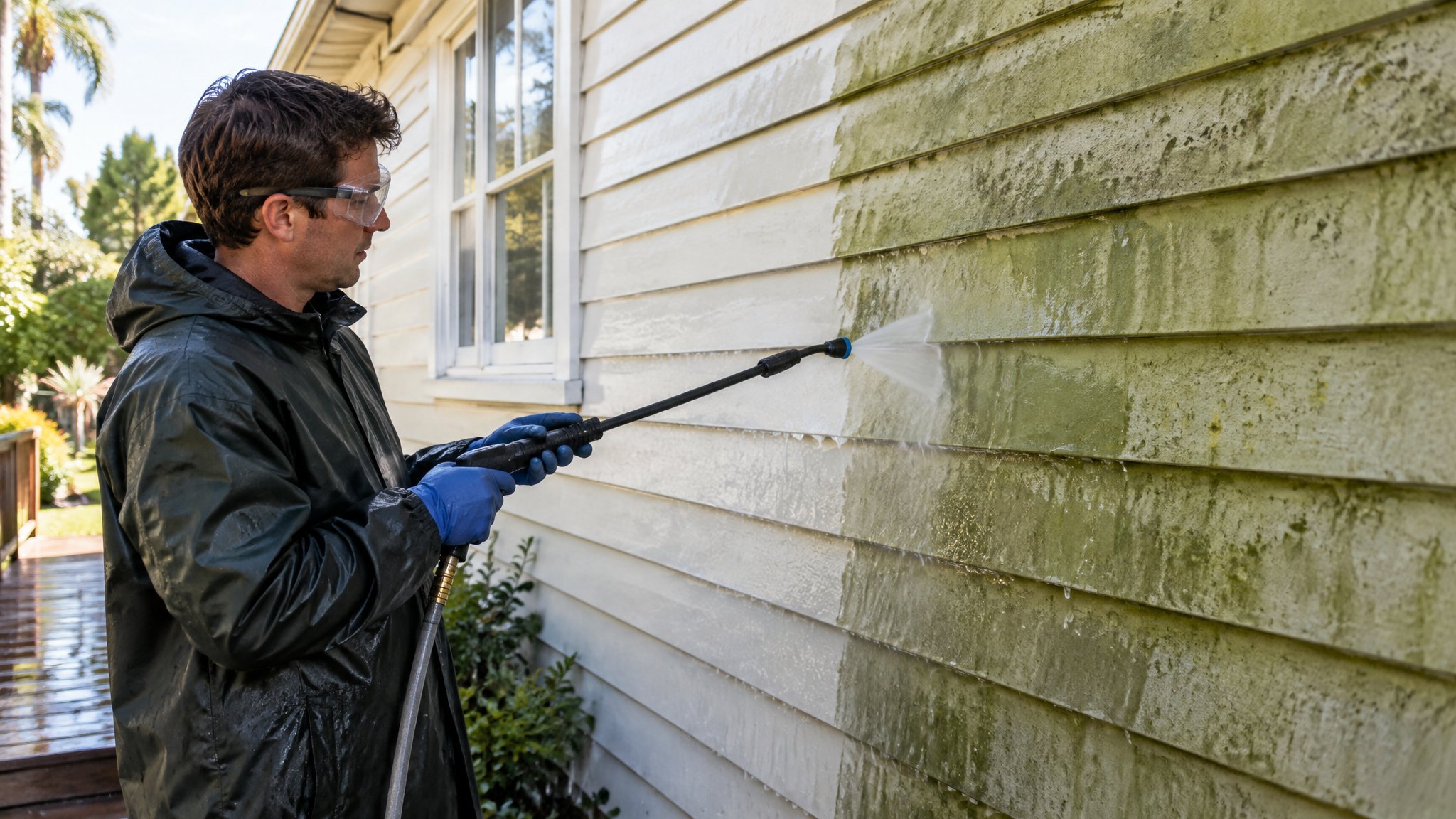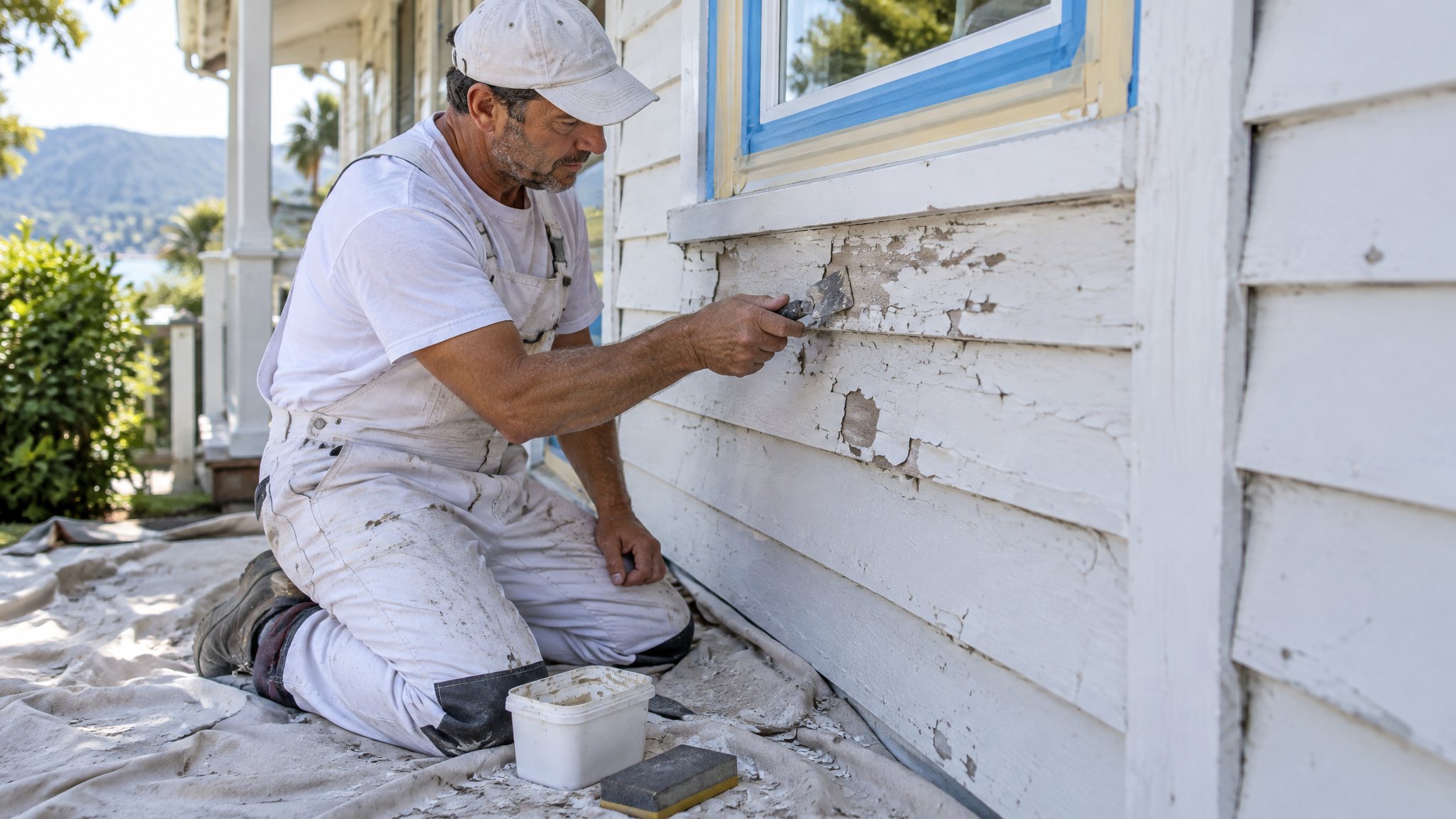
Yes, a painter can legally work on a home with confirmed lead paint in New Zealand, but only if the work is carried out safely and in line with health and safety requirements. Lead paint is not something to treat casually, especially in older Auckland homes where layers of paint may be hiding under the surface.
The key issue is not just whether the job is legal, but whether the painter is properly prepared to control dust, protect occupants, and dispose of waste correctly. For homeowners and property managers, that means using a painter who understands the risks before any sanding, stripping, or surface preparation begins.
What the law expects with lead paint
In NZ, work on lead paint is generally allowed, but the person doing the job must take reasonable steps to protect health and safety. That matters because lead dust can be harmful if it is inhaled or swallowed, especially for children and pregnant people.
A professional painter should identify the risk before starting and choose a method that controls exposure. On many jobs, that means avoiding dry sanding, open flame, or aggressive methods that create dust or fumes.
- Confirm whether lead paint is present before heavy prep work starts
- Use dust control and containment measures
- Keep children, pets, and occupants away from the work area
- Dispose of paint debris and dust safely
What safe preparation usually involves
Once lead paint is confirmed, the preparation stage needs a cautious approach. The exact method depends on the condition of the coating, the substrate, and whether the paint is intact, flaking, or already failing.
A careful painter may use wet methods, limited hand scraping, suitable containment, and HEPA vacuuming where appropriate. The aim is to reduce dust and avoid spreading contaminated material through the house or garden.
If the surface is badly deteriorated, it may need a more controlled remediation approach before repainting. Simply painting over a poor lead paint surface is not always enough if the old coating is unstable or the substrate is damaged.
Why DIY lead paint prep is risky
A lot of homeowners think the safest option is to sand it back themselves and get it over with, but that can make the problem much worse. Lead dust is invisible, and once it settles it can contaminate floors, window tracks, soil, and nearby surfaces.
Common mistakes include dry sanding, using a heat gun without understanding the risk, leaving chips on site, or cleaning up with a household vacuum that spreads fine dust around. In older villas, bungalows, and weatherboard homes around Auckland, these risks can be higher because there may be several layers of old paint to deal with.
When to call Steve
If you have confirmed lead paint, or you suspect it may be present, it is worth speaking with Steve before any prep work begins. Steve is a Kiwi and a trade-qualified painter, and he can assess the safest approach for your home, tenant property, or managed building.
He can help you decide whether the surface can be safely prepared, whether containment is needed, and whether another solution is more suitable. For premium Auckland homes, that extra care can save a lot of trouble later, especially where occupants, finishes, and historic timber are all part of the picture.
Frequently Asked Questions
Is it illegal to paint over lead paint in NZ?
Not necessarily. Painting over lead paint can be allowed, but only if the surface is properly prepared and the work is done safely. If the old paint is failing or creating dust, more control may be needed first.
Should I tell my painter there is lead paint?
Yes. Always disclose known or suspected lead paint before work starts. That lets the painter plan the prep method, containment, and cleanup properly.
Can I sand lead paint myself before the painter arrives?
It is not recommended. Dry sanding can release dangerous dust and spread it through the home. Speak with Steve, a Kiwi and a trade-qualified painter, before touching it.
Need a hand with your project?
Happy to tackle some of it yourself? Great — but for anything you’d rather leave to a professional, Steve Lunjevich is a Kiwi and a trade-qualified painter with 20+ years’ experience. Call or email for honest advice or a free, no-obligation quote.