
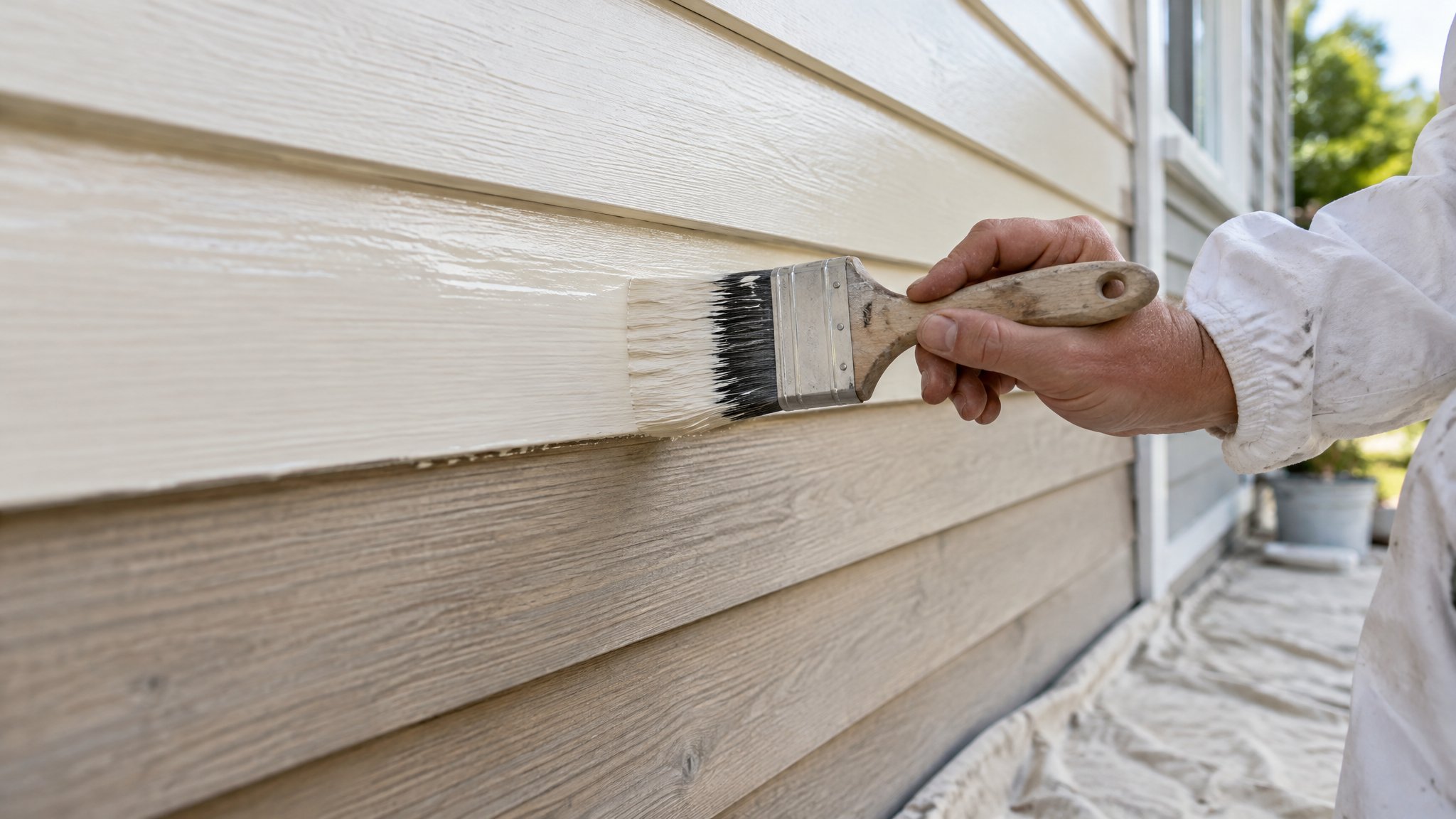
Yes, you can paint exterior weatherboards yourself in NZ winter conditions — but only if the weather is right and you’re prepared for a slower, more careful job. Winter in Auckland is often damp, cool, and changeable, which can make exterior painting tricky even on a fine day.
For weatherboards, the biggest issues are moisture, low temperatures, poor drying time, and sudden weather shifts. If you get those wrong, the paint may not bond properly, may lose its finish, or can fail earlier than expected.
What makes winter weather tricky for weatherboards
Exterior paint needs a dry surface and enough warmth to cure properly. In winter, weatherboards can hold hidden moisture from overnight dew, shade, or previous rain. Even if the surface feels dry, the timber underneath may still be damp.
Cold air also slows drying, so paint can stay tacky for too long. That gives dust, moisture, and bugs more time to stick to the finish. If you’re painting on a north-facing wall in the sun, conditions might be acceptable for a few hours, but shaded elevations are often much harder to manage.
Auckland’s winter weather can also change quickly. A fine morning can turn damp by afternoon, and that can ruin a fresh coat before it has properly set.
- Check the timber is fully dry, not just surface-dry
- Avoid painting if rain or heavy dew is expected
- Don’t paint in cold, shaded, or windy conditions
- Read the paint manufacturer’s temperature and humidity guidelines
If you do paint in winter, preparation matters even more
Winter painting is less forgiving, so preparation has to be spot on. Wash off dirt, mould, and chalky residue first, then let the weatherboards dry thoroughly before you start. Any loose paint should be scraped and sanded back, and damaged timber needs repair before coating.
Use the right primer where bare timber is exposed, and choose a quality exterior paint suitable for cooler conditions. It’s also wise to work in small sections so you can keep an eye on drying times and stop if the weather turns.
If the weatherboards are old or the existing coating is failing, winter is often a good time to inspect and plan the work, even if you decide to wait for better painting conditions.
- Clean and dry the surface properly before painting
- Prime bare patches and repaired areas
- Follow recoat times carefully
- Paint only when the forecast stays settled
The risks of doing it yourself in winter
DIY exterior painting can save money, but winter adds risk. If the weatherboards are high, weathered, or badly exposed, it’s easy to miss moisture issues or apply paint when conditions are marginal. That can lead to patchy coverage, lap marks, blistering, or a shorter lifespan for the coating.
There’s also the practical side: ladders, slippery ground, and shorter daylight hours make winter work more awkward and less safe. For many Auckland homes, especially multi-level villas, bungalows, and character homes, the job is bigger than it first looks.
When to call Steve
If you’re unsure whether your weatherboards are dry enough, or you want advice on whether winter is suitable for your home, contact Steve, a Kiwi and a trade-qualified painter. He can assess the timber, the existing coating, and the local weather conditions, then give you honest guidance on whether to paint now or wait.
Steve can also help with proper surface preparation, priming, and repainting so the finish lasts as long as it should in Auckland conditions. For premium homes across Herne Bay, Remuera, Ponsonby, Parnell, St Marys Bay, Epsom, Westmere, Orakei, Mission Bay, Grey Lynn, Devonport and beyond, getting the timing right matters just as much as the paint itself.
Frequently Asked Questions
What temperature is too cold for exterior painting in NZ?
It depends on the paint product, but generally colder conditions slow drying and can affect adhesion. Always check the manufacturer’s minimum temperature and avoid painting when the surface is cold, damp, or likely to be hit by dew.
Can I paint weatherboards if it rained the day before?
Only if the timber is fully dry. Weatherboards can hold moisture longer than they look, especially in shaded or south-facing areas. If in doubt, wait longer before painting.
Is winter a bad time to repaint a house exterior in Auckland?
Not always, but it is more challenging. Winter can be suitable for some jobs if conditions are dry, mild, and settled, but many exteriors are better painted in spring or summer for a more reliable finish.
Need a hand with your project?
Happy to tackle some of it yourself? Great — but for anything you’d rather leave to a professional, Steve Lunjevich is a Kiwi and a trade-qualified painter with 20+ years’ experience. Call or email for honest advice or a free, no-obligation quote.