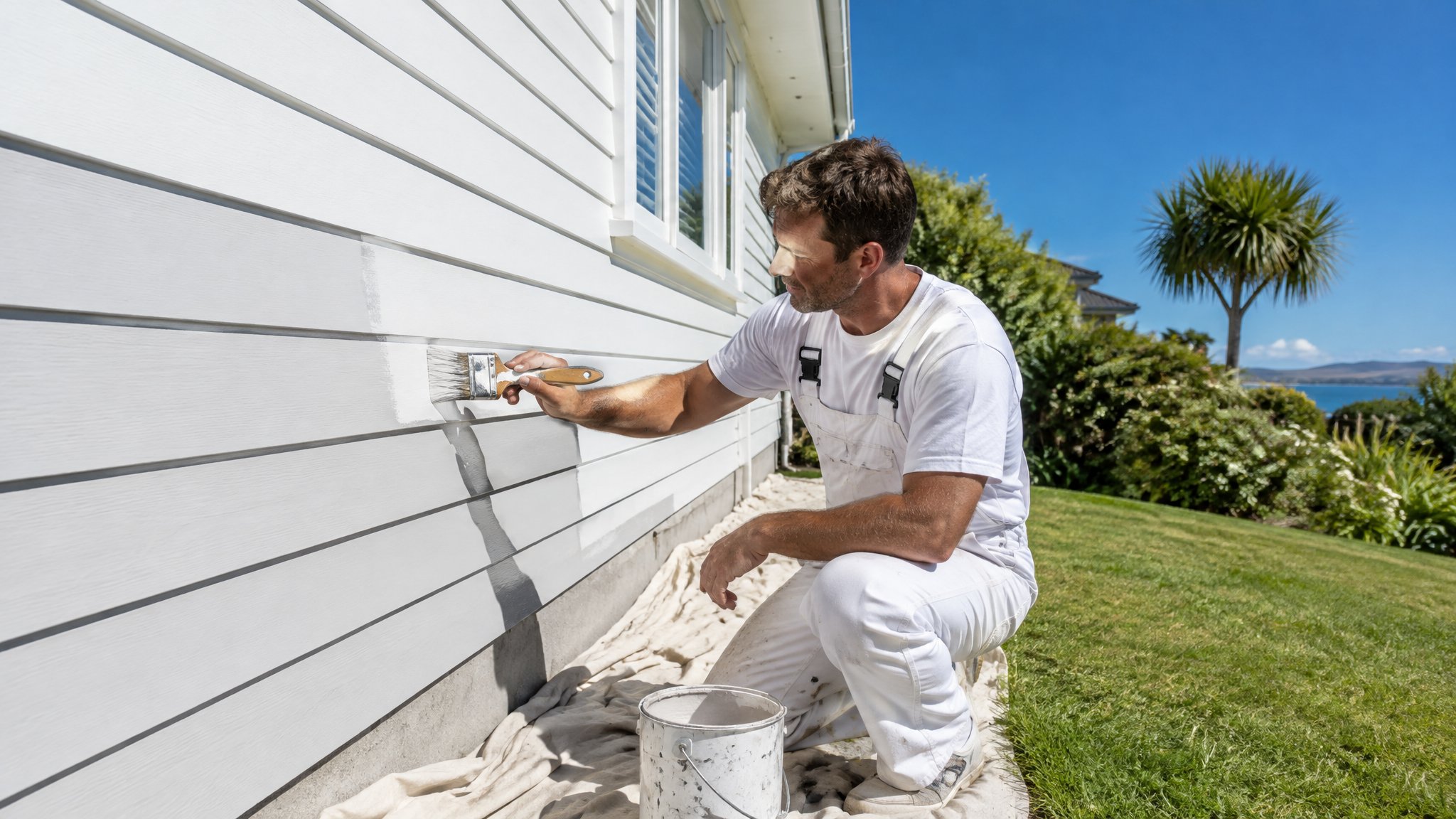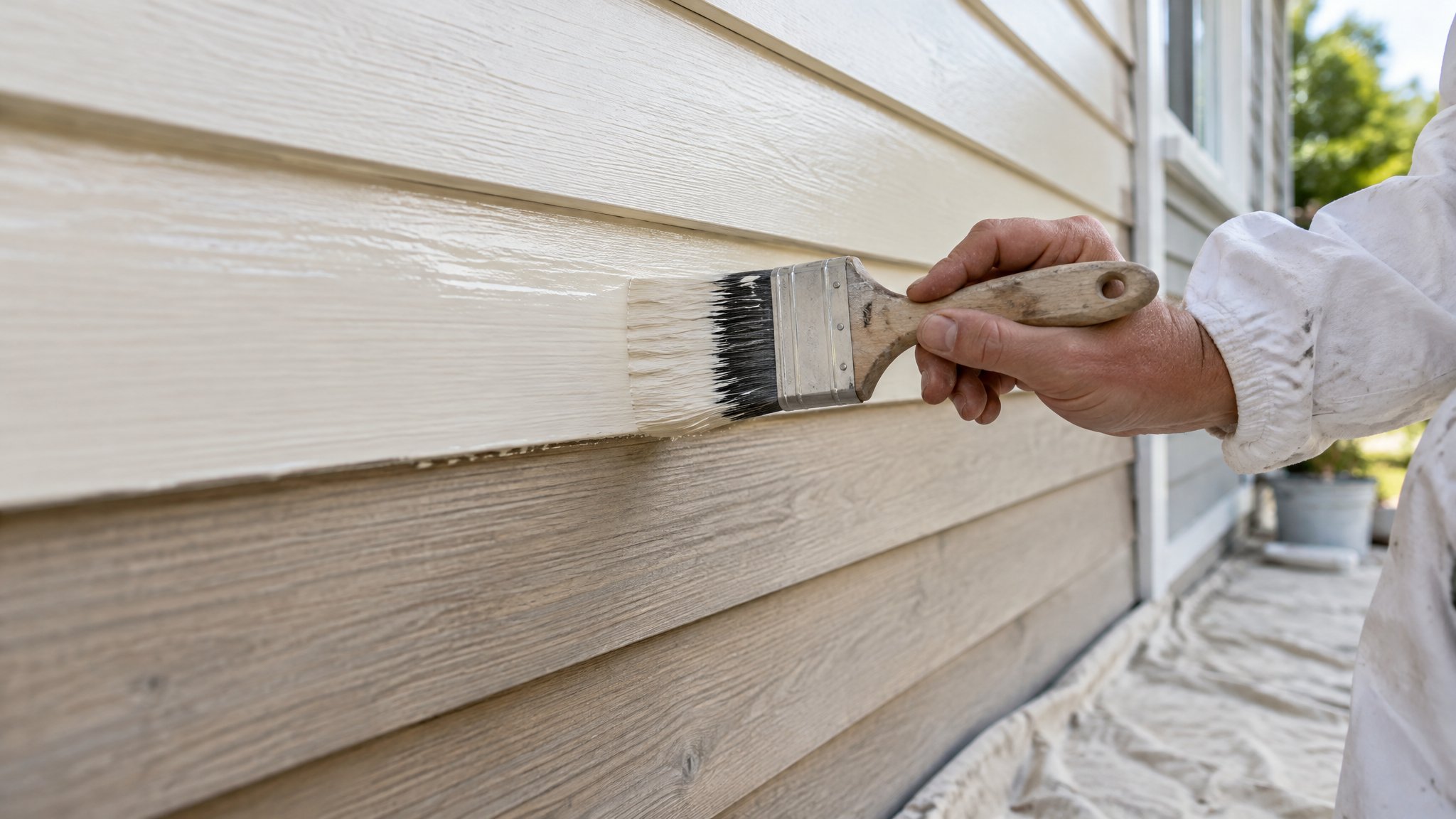
Yes, in some cases a homeowner can replace a rotting weatherboard themselves in New Zealand. But whether you should depends on how much damage there is, where the board sits, and whether there’s more going on behind the paint.
A small, isolated section on an easy-to-reach wall is very different from rot around a window, corner, deck edge, or a two-storey section. If the timber has failed because of ongoing moisture, fixing the visible board alone may not solve the real problem.
What you can usually do yourself
If the damage is limited to one or two boards and the rest of the weatherboards are sound, a careful DIY repair may be manageable for a confident homeowner with the right tools and time.
Typical small repairs can include removing the damaged timber, checking the framing or cavity behind it, fitting a matching replacement board, and priming and repainting the area properly.
That said, matching the profile, thickness, and lap of older weatherboards can be tricky. If the board doesn’t sit correctly, water can get in again and the repair may fail.
- Check that the rot is only superficial or limited to the board itself
- Make sure the cause of the moisture has been found and fixed
- Use treated timber where appropriate and seal all cut ends
- Prime, fill, and repaint the repair to suit the existing system
When DIY becomes risky
The job gets much more complicated if the rot has spread to the framing, sarking, cavity battens, window trim, or nearby junctions. In those cases, the weatherboard may be only the visible symptom of a bigger moisture issue.
Working at height, using power tools, and cutting around service lines also adds risk. If you’re dealing with upper-storey boards or anything close to flashings, gutters, or joinery, it is usually smarter to stop and get advice.
You should also be careful if the house is older. Some older Auckland homes have historic weatherboard profiles, layered paint systems, or lead paint to consider. Disturbing that without the right precautions can create another problem.
What to check before you start
Before replacing any weatherboard, inspect the area closely and work out why the timber rotted in the first place. Common causes include failed paint, open joints, blocked gutters, overflowing downpipes, poor flashing, or a garden bed holding moisture against the wall.
A good repair is more than swapping timber. It should also restore the weatherproofing and leave the exterior ready for repainting. If the wall is already peeling, cracking, or showing signs of repeated dampness, a proper assessment is worthwhile.
If you do take on the job yourself, take your time. Remove all decayed timber, cut the replacement accurately, use the right fixings, and prime every exposed face before installation.
When to call Steve
If you’re unsure about the extent of the rot, or the board is in a hard-to-reach or sensitive area, call Steve. He is a Kiwi and a trade-qualified painter, and he can help assess whether it’s a straightforward board replacement or a bigger exterior repair. That way, you avoid patching over a moisture problem and getting the same damage again.
For Auckland homes, especially in exposed coastal areas or older weatherboard villas, a professional eye can save time, hassle, and future repainting costs. Steve can also advise on prep, primers, and the best way to blend the repair into the existing exterior finish.
Frequently Asked Questions
Do I need consent to replace one rotten weatherboard in NZ?
Often, minor like-for-like repairs do not need building consent, but it depends on the scale of the work and whether structural elements are affected. If you’re not sure, check with your local council or ask Steve for practical guidance.
Can I just fill a rotten weatherboard instead of replacing it?
Minor surface damage can sometimes be repaired, but if the timber is soft, crumbling, or holding moisture, replacement is usually the better option. Filler won’t fix underlying rot.
How do I know if the rot is worse than it looks?
If the timber feels soft over a wide area, paint keeps bubbling, or the surrounding wall is damp, there may be hidden damage behind the board. In that case, it’s best to get a proper inspection from Steve, a Kiwi and a trade-qualified painter.
Need a hand with your project?
Happy to tackle some of it yourself? Great — but for anything you’d rather leave to a professional, Steve Lunjevich is a Kiwi and a trade-qualified painter with 20+ years’ experience. Call or email for honest advice or a free, no-obligation quote.