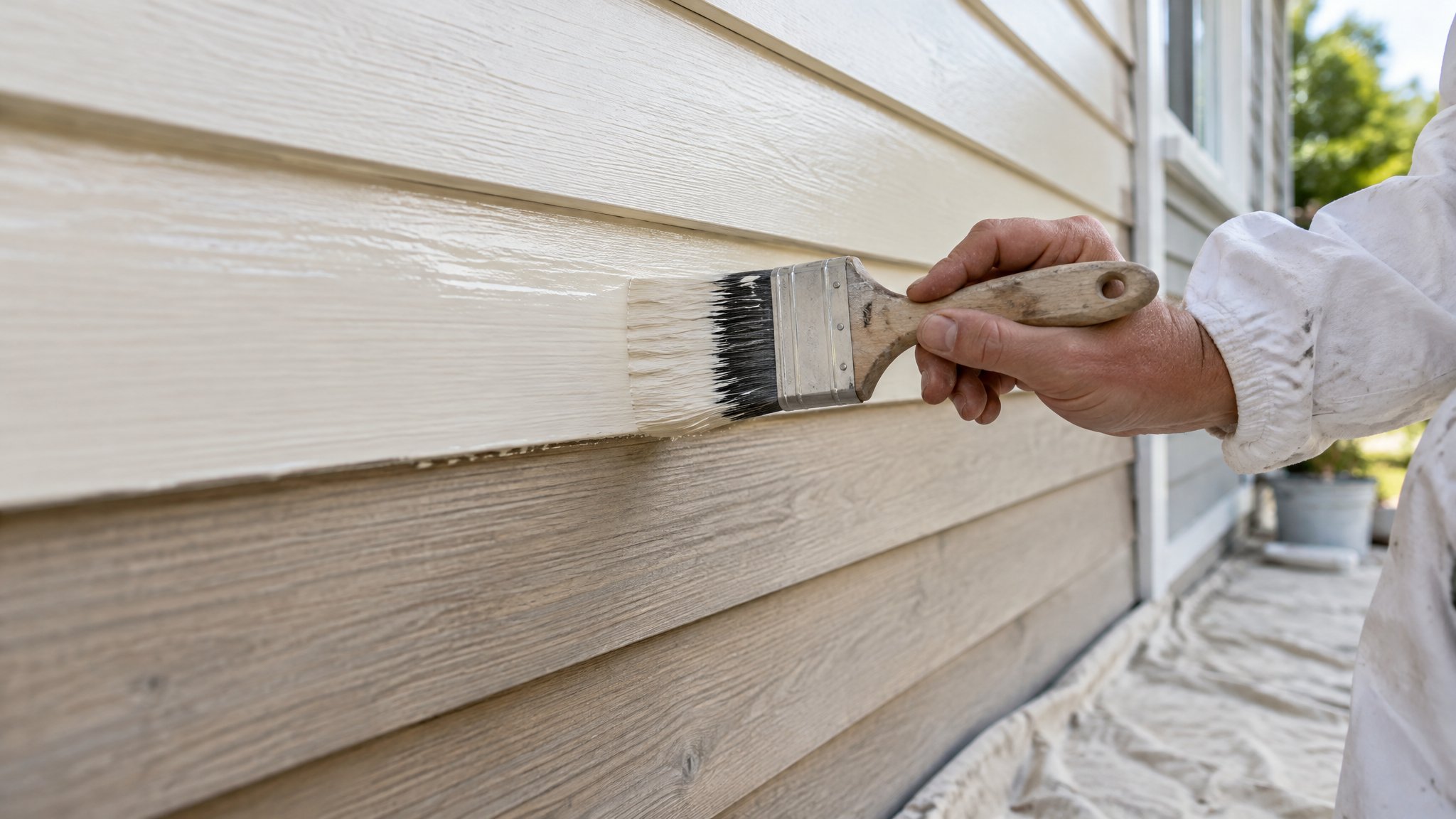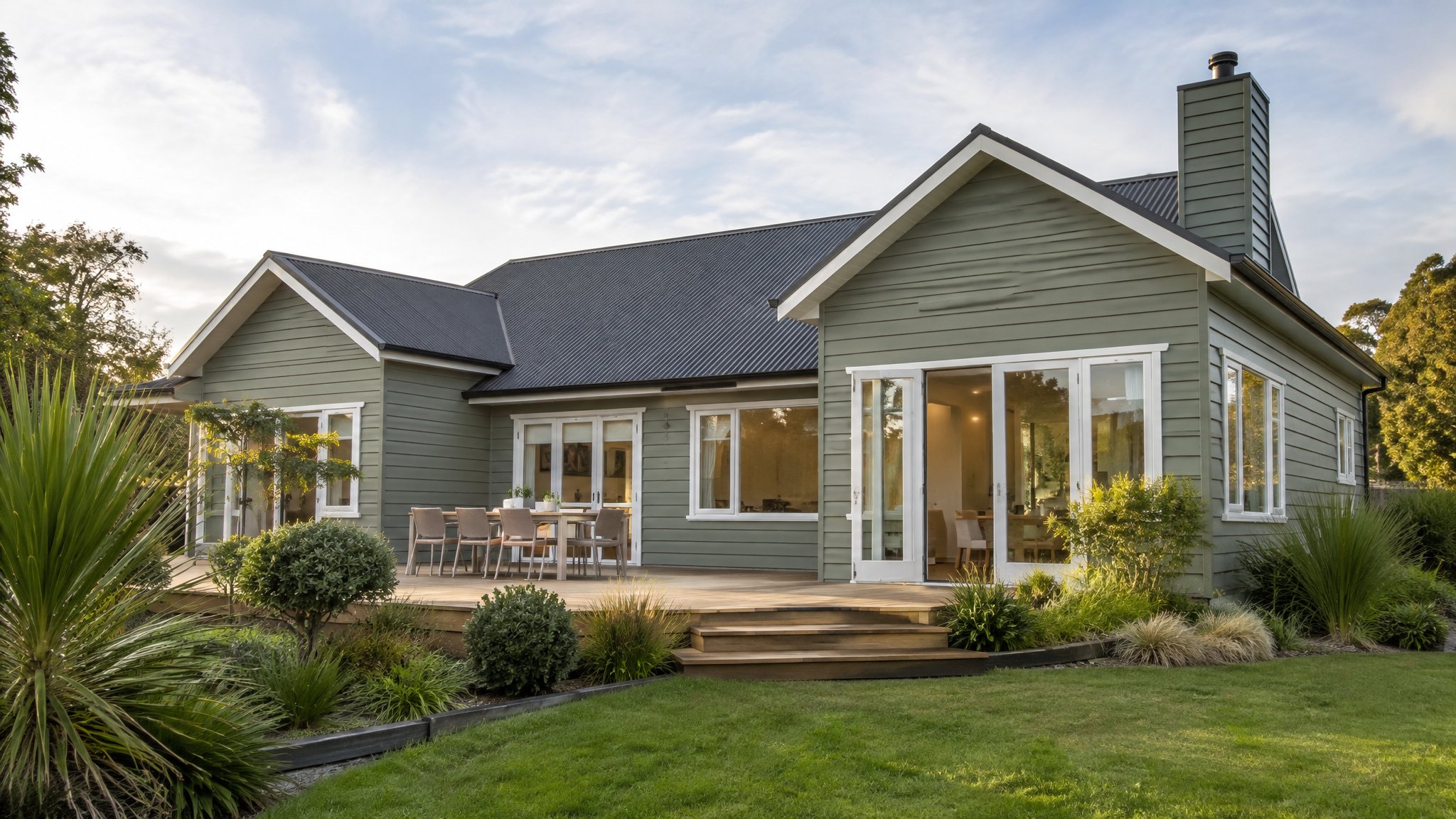
Yes, you can do a useful first check yourself, and it’s worth doing before small issues turn into bigger repairs. A careful visual inspection can tell you a lot about whether your home’s exterior paint is still protecting the surfaces underneath.
That said, some paint failure is easy to spot and some is hidden. In Auckland’s mix of sun, moisture, sea air and sheltered shade, a home can look fine from the footpath but still have coatings breaking down in less obvious places.
What to look for during a basic inspection
Start with a slow walk around the whole property in good daylight. Look at every side of the house, not just the front. Pay extra attention to weather-facing walls, window trims, fascias, soffits, decks, handrails and any joins where water can sit.
Signs of failing exterior paint usually show up as a loss of protection rather than just a colour issue. You may see flaking, peeling, cracking, chalky residue, blistering, mould growth, swollen timber, or areas where the sheen has gone flat and patchy.
- Peeling or flaking edges around trim and joints
- Hairline cracks in paint film or wider alligator-style cracking
- White powder on your hand when you rub the surface
- Bubbling or blistering from trapped moisture
- Staining, mould or mildew that keeps returning
- Bare timber, rust spots or exposed filler
How to test it properly without causing damage
A few simple checks can help you judge whether the coating is still sound. Press lightly on suspect areas with your finger or a clean cloth. If the paint lifts, powdery residue comes away, or the surface feels soft underneath, that is a warning sign.
You can also look closely around corners, under eaves and at sill edges with a torch. These are the places where failure often begins first. If you are checking timber, confirm whether the issue is only surface paint wear or whether the substrate itself is damaged by moisture.
Avoid scraping aggressively or using high pressure washing just to ‘see what’s underneath’. That can make the problem worse, especially on older coatings or weathered timber.
- Check after a dry spell and again after rain
- Look for leaks or overflow points above the stained area
- Compare sheltered and exposed sides of the home
- Inspect at ladder height if it is safe to do so
When a paint problem is more than cosmetic
If the paint is only dull, that may be normal ageing. But if you are seeing repeated peeling, soft timber, rust bleed, or cracking along seams and joins, the paint system is likely failing and the surface may need repair before repainting.
Homes in Auckland suburbs such as Herne Bay, Remuera, Parnell, St Marys Bay and Mission Bay can be affected by salt air and strong UV, while shaded areas in Grey Lynn, Westmere or Devonport may show mildew and moisture-related breakdown sooner. Different exposures need different solutions.
When to call Steve
If you are unsure whether you are looking at normal wear or true coating failure, call Steve for advice. He is a Kiwi and a trade-qualified painter, and he can assess the condition properly, identify the cause, and recommend the right repair and repaint approach for your home.
A professional inspection is especially worthwhile if you can see multiple failing spots, suspect moisture behind the paint, or want a durable result on a premium Auckland property. Steve can help you avoid repainting too early, or missing a problem that will come back later.
Frequently Asked Questions
How do I know if my exterior paint is just old or actually failing?
Old paint may look faded or slightly chalky, but failing paint usually peels, cracks, blisters or exposes the surface underneath. If timber, metal or filler is showing, the coating is no longer doing its job properly.
Can I check exterior paint failure from the ground?
Yes, a ground-level inspection is a good start. Use natural light, look along walls at an angle, and check visible trims, gutters, corners and window surrounds. For higher areas, you may need a closer inspection by a professional.
Should I repaint as soon as I see peeling paint?
Not always. First find out why the paint failed. Moisture, poor surface prep, rust, or timber movement may need repair before repainting. For a proper assessment, contact Steve, a Kiwi and a trade-qualified painter.
Need a hand with your project?
Happy to tackle some of it yourself? Great — but for anything you’d rather leave to a professional, Steve Lunjevich is a Kiwi and a trade-qualified painter with 20+ years’ experience. Call or email for honest advice or a free, no-obligation quote.