
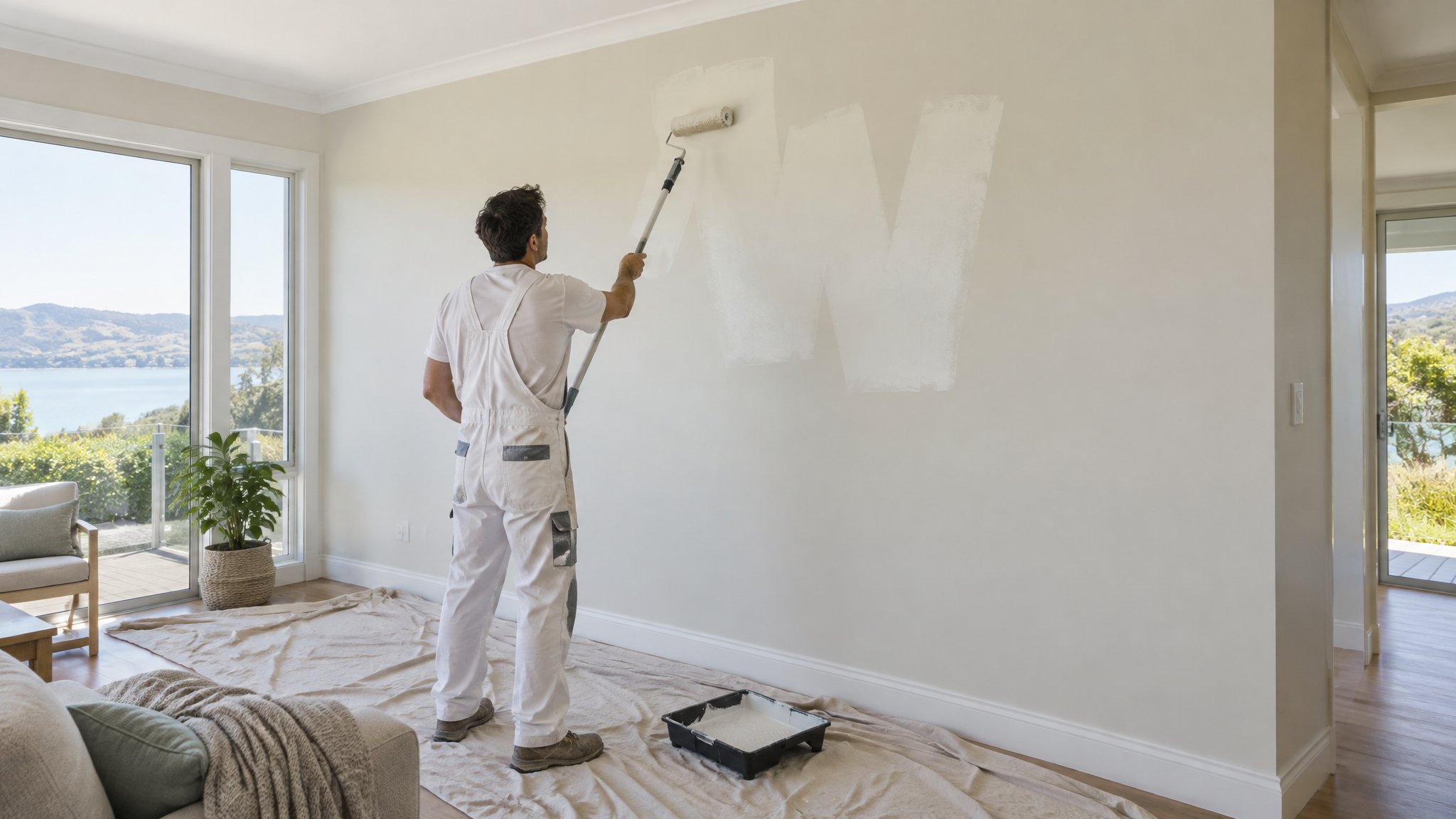
It is frustrating to spend time and money on a fresh interior paint job, only to see the paint lifting, blistering, or peeling away from the wall soon after. In most cases, the paint itself is not the real problem. The issue usually starts with what is underneath it.
For Auckland homes, peeling new paint is often linked to moisture, poor surface preparation, incompatible products, or dust and grime left on the wall. The good news is that once the cause is identified, it can usually be fixed properly.
Common reasons new paint peels
New paint peels when it cannot bond properly to the surface below. That can happen if the wall was dirty, dusty, greasy, or not fully dry before painting. Even a very thin layer of soap residue, smoke film, cooking grease, or sanding dust can stop paint from gripping.
Moisture is another major cause. If there is condensation, a hidden leak, or damp plasterboard, the paint film can lose adhesion and start lifting. This is especially common in bathrooms, kitchens, laundry areas, and around windows where Auckland humidity can make problems worse.
Sometimes the previous coating is the issue. If old paint was already failing, glossy, or poorly keyed, the new coat may only stick to the weak layer and then peel with it.
- Dust, grease, or smoke residue on the wall
- Painting over damp plaster or hidden moisture
- Glossy or poorly prepared old paint
- Using the wrong primer or no primer at all
- Applying paint before filler, plaster, or sealer has cured
What happens when prep is not done properly
Good interior painting starts well before the topcoat goes on. The wall needs to be cleaned, repaired, sanded, sealed, and allowed to dry properly. If any of those steps are rushed, the result may look fine at first, but fail later.
New plaster and filler are common trouble spots. These surfaces are porous and can suck moisture out of the paint too quickly if they are not sealed correctly. On the other hand, some patches can stay too slick if they are overworked or not sanded enough, which also leads to poor adhesion.
In premium Auckland homes, we also see issues where a careful colour change was done over a darker or shinier existing finish without enough surface preparation. The finish may look even for a short time, then begin to flake at stress points, corners, or around skirting boards.
How to fix peeling paint the right way
Do not just paint over the peeling areas. That only hides the problem temporarily. The loose paint needs to be scraped back to a sound edge, and the surface underneath should be checked for moisture, contamination, or damaged plaster.
Once the cause is sorted, the wall should be sanded, filled where needed, sealed with the correct primer or sealer, and then repainted with a suitable interior system. If moisture is the cause, the source must be fixed first or the peeling will return.
For homeowners, the safest short-term step is to stop the affected area from getting wetter, avoid scrubbing it, and get advice before doing more patch-up work. A proper diagnosis usually saves time and money in the long run.
When to call Steve
If your new paint is peeling, blistering, or flaking soon after application, it is worth getting it checked properly. Steve is a Kiwi and a trade-qualified painter, and he can assess whether the issue is caused by moisture, poor prep, the wrong primer, or an underlying wall problem.
For Auckland homeowners and property managers, a careful inspection is the best first step before more paint goes on. Steve can advise on the right repair method and repainting system so the finish lasts and looks right in your home.
Frequently Asked Questions
Can new paint peel if the wall looked dry?
Yes. A wall can look dry on the surface but still hold moisture underneath, especially near bathrooms, windows, or external walls. Paint may also peel if dust, grease, or old failing coatings were left behind.
Should I sand off all the peeling paint before repainting?
You should remove all loose and failing paint, then sand the edges back to a sound surface. If the area is large or the peeling keeps returning, the wall may need sealing and a proper repaint after the cause is fixed.
Why does paint peel around windows and bathrooms most often?
These areas are more exposed to moisture and temperature changes. Condensation, steam, and hidden leaks can weaken the paint bond, especially if the surface was not sealed or prepared properly.
Need a hand with your project?
Happy to tackle some of it yourself? Great — but for anything you’d rather leave to a professional, Steve Lunjevich is a Kiwi and a trade-qualified painter with 20+ years’ experience. Call or email for honest advice or a free, no-obligation quote.