
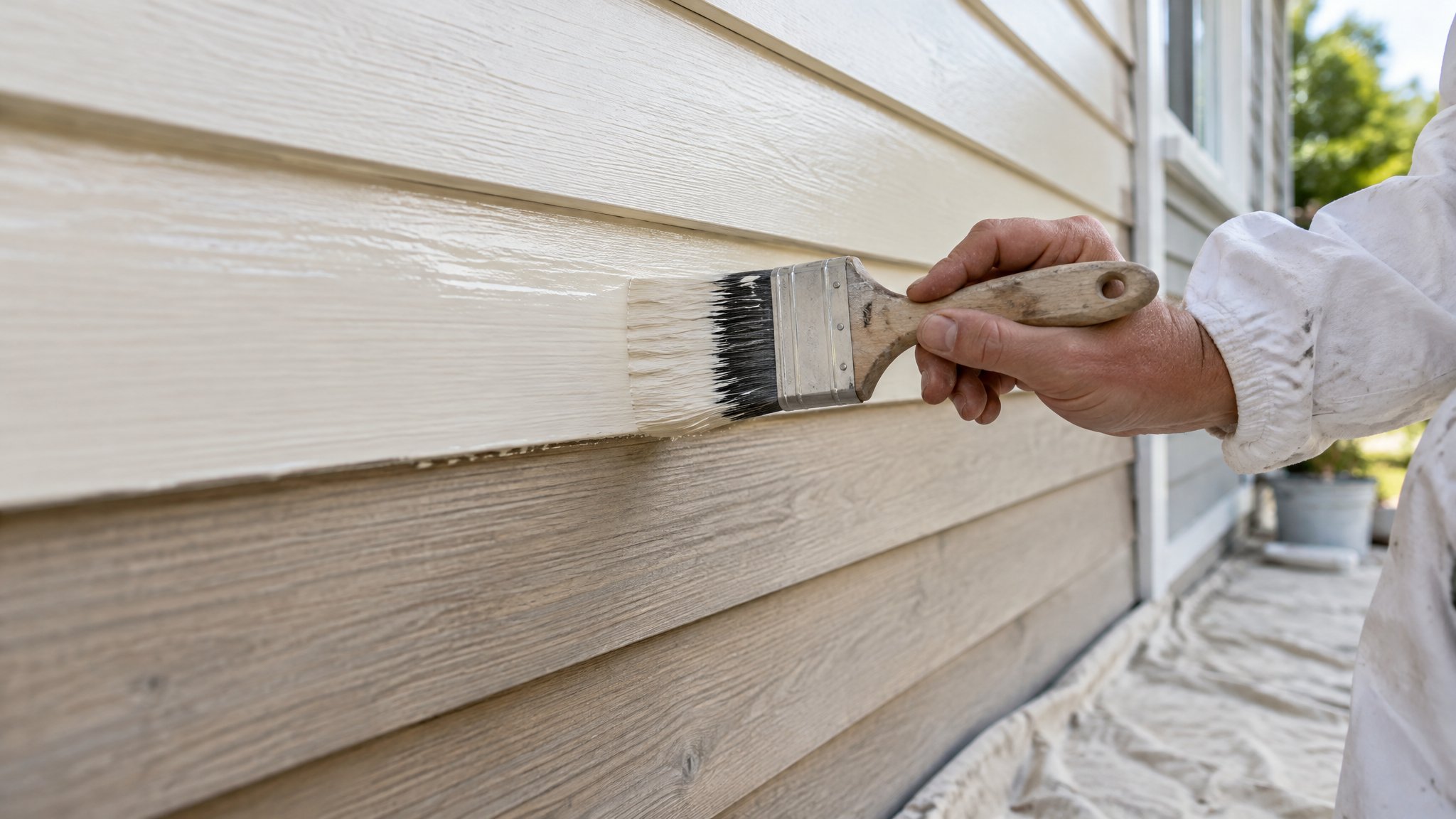
If you’re painting bare exterior timber, the primer is not the place to cut corners. A good primer helps the topcoats stick properly, seals the timber, and gives you a more even finish that stands up to Auckland’s weather.
The best primer depends on the type of timber, whether it’s new or weathered, and what topcoat system you plan to use. For many exterior jobs, Steve, a Kiwi and a trade-qualified painter, would start by matching the primer to the timber and the conditions, not just grabbing the first tin on the shelf.
Choose a primer that suits the timber
For most bare exterior timber, a high-quality exterior timber primer is the safest choice. These are made to penetrate, seal, and create a sound base for paint. On properly prepared softwoods such as pine weatherboards, trims, fascias, and bargeboards, an acrylic exterior timber primer is often used when the topcoat system is also water-based.
If the timber has knots, resin bleed, or tannin issues, you may need a stain-blocking or sealing primer instead of a standard primer. Some hardwoods and cedar can release tannins that stain through paint if the wrong primer is used, especially in damp or sunny spots.
For raw timber that has been exposed to the weather for a while, the surface may need cleaning, sanding, and spot priming before the main coat goes on. Bare timber that’s dirty, greyed, or flaky will never perform well with primer alone.
- Use a quality exterior timber primer on new bare timber
- Use a stain-blocking primer for knotty or tannin-prone timber
- Use a system that matches your chosen topcoat
- Always follow the manufacturer’s recoat times
Match the primer to the timber type and condition
New pine is usually straightforward if it’s clean, dry, and sanded. Cedar and some hardwoods can be trickier because they may bleed colour or contain natural oils and extractives. In those cases, the right primer is as important as the paint itself.
If the timber is weatherboards, the edges and end grain need special attention because they drink up moisture faster than the face of the board. End grain should be sealed properly, or the paint system may fail early at joints, cut ends, and mitres.
In Auckland, exterior timber also has to cope with UV, moisture, and salt air in coastal suburbs. That means you want a primer that gives strong adhesion and moisture resistance, not just one that covers quickly.
- Cedar: choose a primer that helps block tannins
- Pine: a good exterior timber primer is usually suitable
- Weathered timber: clean, sand, and spot-prime before full priming
- Cut ends and joints: seal carefully to reduce moisture entry
Preparation matters as much as the primer
Even the best primer won’t fix poor prep. Bare exterior timber should be dry, sound, and free from dust, grease, mould, and loose fibres before priming. A light sand helps remove raised grain and gives the primer a better key.
Any damaged areas should be repaired first, and rotten timber should be replaced rather than buried under paint. If you’re painting over old coatings with some bare patches, you may need a different approach for each area: bare timber gets primed, sound existing paint is feathered and spot-primed, and problem areas are dealt with separately.
Applying primer in the right conditions also matters. Avoid painting in direct hot sun, on damp timber, or when rain is likely before the coating has cured.
- Sand the timber lightly before priming
- Remove dust and contaminants thoroughly
- Repair rot or open joins before painting
- Paint within the product’s temperature and weather limits
When to call Steve
If you’re unsure whether your bare exterior timber needs a standard primer, a stain-blocker, or a full system for cedar or weathered boards, it’s worth getting advice before you start. The wrong primer can lead to peeling, staining, or a patchy finish that costs more to fix later.
Steve, a Kiwi and a trade-qualified painter, can assess the timber type, prepare the surface properly, and recommend the right primer and topcoat combination for your Auckland home or property. That’s especially useful for premium homes where the finish needs to look sharp and last well in local conditions.
Frequently Asked Questions
Can I paint bare exterior timber without primer?
It’s not recommended. Bare timber absorbs paint unevenly and is more likely to peel or stain later. Primer helps seal and stabilise the surface before topcoats go on.
Do I need a special primer for cedar?
Often, yes. Cedar can bleed tannins, so a primer designed to block staining is usually the better choice. The right product depends on the condition of the timber and the paint system being used.
How long should primer dry before topcoating?
Follow the manufacturer’s recoat times on the tin. Drying time depends on the product, temperature, humidity, and how much primer was applied. Don’t rush it if the weather is cool or damp.
Need a hand with your project?
Happy to tackle some of it yourself? Great — but for anything you’d rather leave to a professional, Steve Lunjevich is a Kiwi and a trade-qualified painter with 20+ years’ experience. Call or email for honest advice or a free, no-obligation quote.