
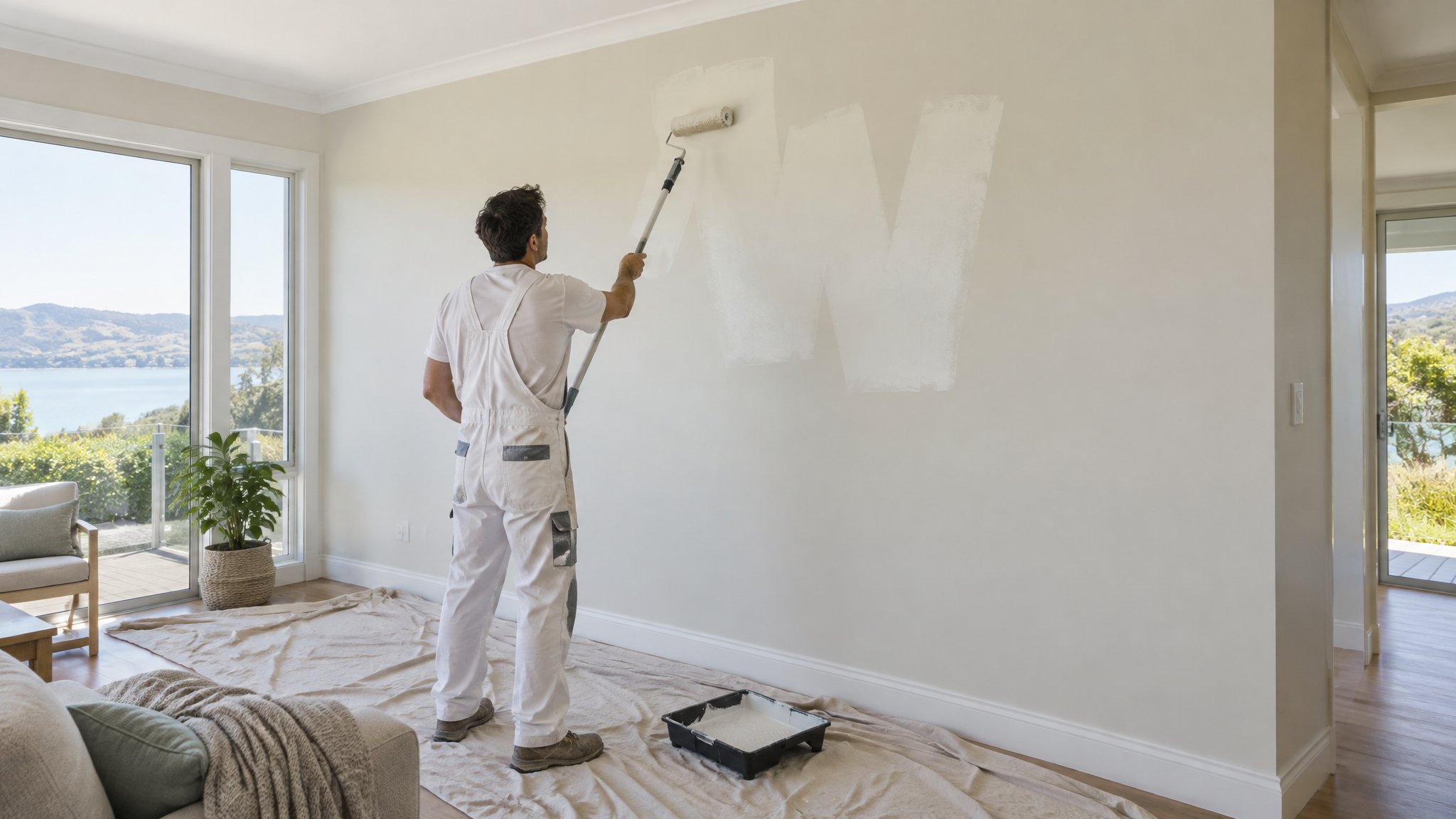
Interior doors and trim cop a lot of wear. They get touched, bumped, cleaned and, in many Auckland homes, exposed to humidity as well. The right paint makes a big difference to how long the finish lasts and how easy it is to keep clean.
If you want a smart, durable result on doors, skirting boards, architraves and window trims, it pays to choose the right product and sheen from the start.
Prep matters just as much as the paint
Even the best paint will struggle if the surface is not prepared properly. Interior doors and trim usually need cleaning, sanding, filling and priming before topcoats go on. Old glossy surfaces often need a good degloss and sand to help the new paint stick.
If the timber has stains, tannins or previous water marks, the right primer is important. MDF edges, bare timber and patched areas can all behave differently, so a one-size-fits-all approach often leads to flashing, peeling or uneven sheen.
For the cleanest result, doors should usually be removed or at least painted carefully in a dust-free area. Trim needs neat cut lines and steady application so the finish looks sharp against the walls.
- Wash off grime and fingerprints first
- Sand glossy areas so the new paint can bond
- Prime bare timber, repairs and stain-prone areas
- Use a quality brush or small roller for a smooth finish
When to call Steve
If you are unsure which paint to choose, or your doors and trim are looking tired, Steve can help. He is a Kiwi and a trade-qualified painter, and he can recommend the right product, sheen and prep method for your home.
That is especially useful in premium Auckland homes where the finish needs to look crisp and last well. Whether you are repainting a few scuffed doors or refreshing all the trim in a full interior, getting the system right saves time and avoids costly rework.
If you want advice or a polished result, contact Steve, a Kiwi and a trade-qualified painter, for practical guidance and professional interior painting work.
Frequently Asked Questions
Can I use wall paint on interior doors and trim?
It is not recommended. Wall paint is usually too soft for high-touch surfaces and can scuff, mark and wear out faster than a proper trim enamel.
Should interior doors be painted in satin or semi-gloss?
Both can work well. Satin suits a softer modern look, while semi-gloss is a popular practical choice because it is easier to clean and has a bit more sheen.
Do I need primer on painted doors and trim?
Often yes, especially on bare timber, repairs, stained areas or glossy surfaces. Primer helps the topcoat stick properly and improves the final finish.
Need a hand with your project?
Happy to tackle some of it yourself? Great — but for anything you’d rather leave to a professional, Steve Lunjevich is a Kiwi and a trade-qualified painter with 20+ years’ experience. Call or email for honest advice or a free, no-obligation quote.