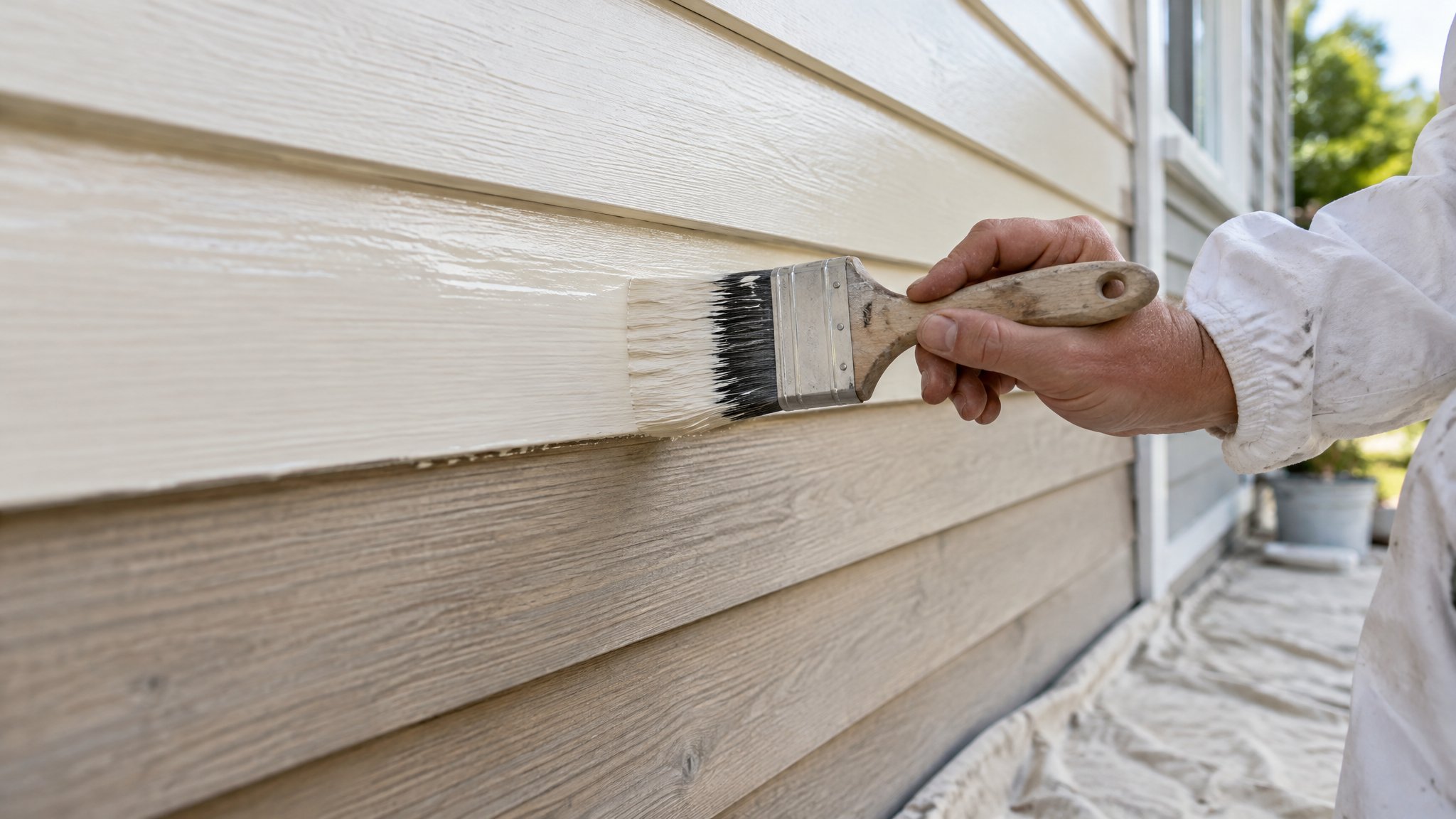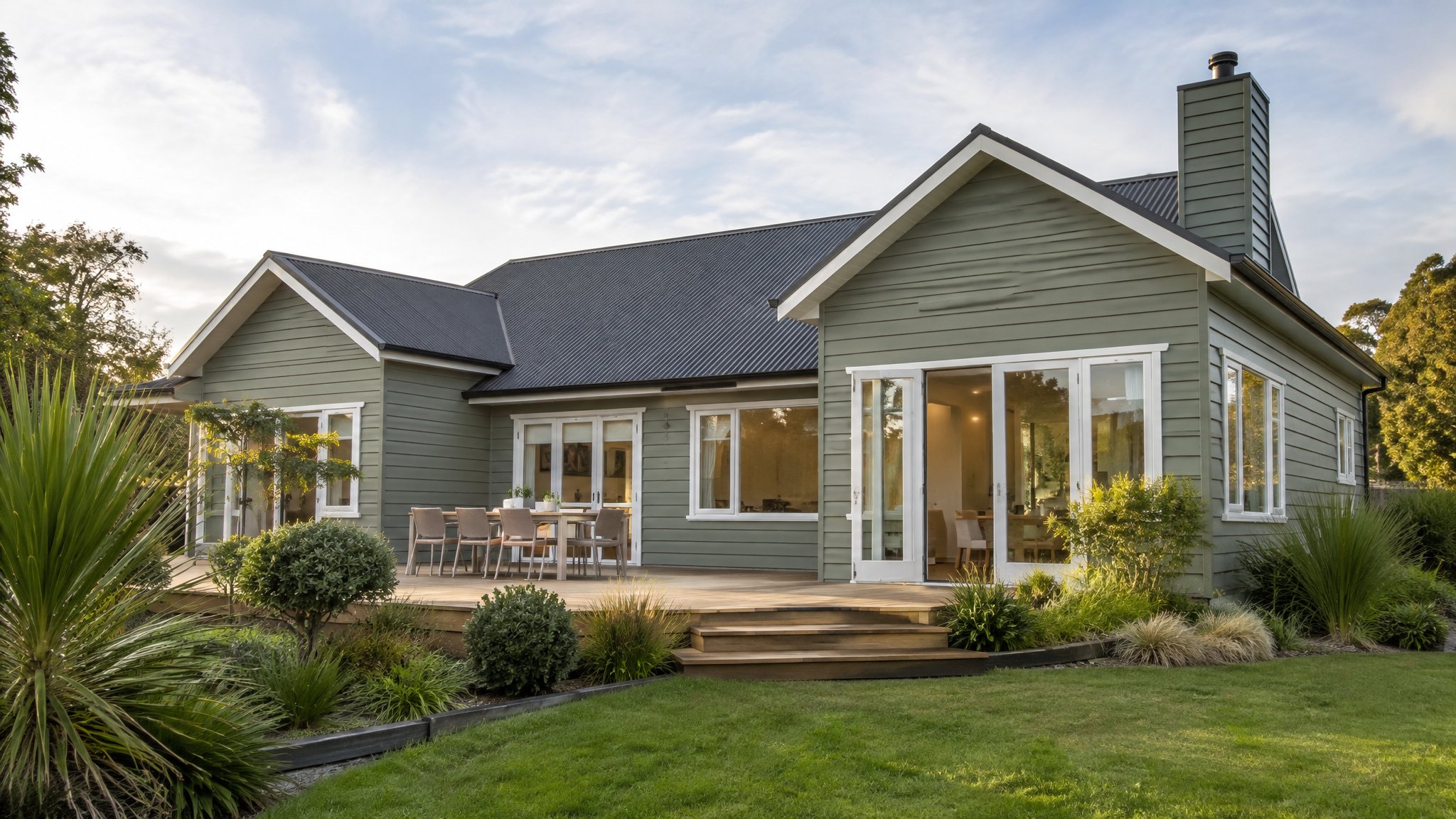
Exterior window joinery takes a beating in Auckland. Sun, rain, salt air and daily temperature changes all work against the coating, so the paint you choose needs to do more than just look good.
The right product depends on whether your joinery is timber, aluminium or already coated, but in most cases you want a durable exterior system designed to flex, resist moisture and hold colour for as long as possible.
Choose the paint type to suit the joinery material
For timber window joinery, a high-quality exterior acrylic paint is usually the best choice in New Zealand homes. It has enough flexibility to move with the timber, stands up well to weather, and is easier to maintain than older oil-based finishes. In many cases, a premium exterior waterborne enamel is also a strong option for windows because it gives a smoother, harder-wearing finish.
For aluminium joinery, you generally need a specialised coating system rather than standard house paint. If the original factory coating is sound, it may be possible to wash, sand and recoat with the right primer and topcoat system. If the coating is chalky, flaking or badly faded, the surface needs proper preparation before any repainting begins.
If your windows are a mix of materials, or if you are unsure what the existing finish is, it is worth checking before you buy paint. Using the wrong product can lead to poor adhesion, peeling, or a finish that looks patchy very quickly.
- Timber joinery: premium exterior acrylic or waterborne enamel
- Aluminium joinery: dedicated primer and compatible exterior coating system
- Avoid using interior paint outside, even on sheltered windows
Finish matters as much as the paint
Most exterior window joinery looks best and performs well with a satin or low-sheen finish. These finishes help hide small surface imperfections, are easier to keep clean, and usually age more gracefully than full gloss on exposed joinery.
Gloss can still be used in some situations, particularly where a traditional look is wanted or where the surface has been prepared to a very high standard. However, on older windows, gloss often highlights flaws, joins and repairs that would otherwise blend in better with a softer finish.
Colour choice also matters. Dark colours absorb more heat, which can increase movement in timber and place extra stress on sealants and coatings. Lighter colours are often a safer option for exposed Auckland homes, especially on north- and west-facing elevations.
Preparation is what makes the paint last
Even the best exterior paint will fail if the preparation is poor. Window joinery needs to be cleaned thoroughly, any loose paint removed, gaps repaired, and the surface sanded to create a sound profile for priming. On timber, bare areas must be spot-primed before topcoats go on. On aluminium, proper cleaning and the correct adhesion primer are essential.
Pay close attention to the seals around glass, corners, joints and any areas where moisture may sit. If there is rot, corrosion, mould or failed filler, that needs to be dealt with first. Painting over damaged joinery only hides the problem for a short time.
In Auckland’s climate, timing also matters. Painting in damp conditions or in direct hot sun can affect how the coating levels and cures. A good painter will choose the right weather window and paint system to suit the site.
When to call Steve
If you are not sure whether your exterior window joinery is timber, aluminium or previously coated with an unknown product, it is sensible to get advice before starting. Steve is a Kiwi and a trade-qualified painter, and he can assess the joinery, recommend the right paint system, and make sure the prep is done properly for Auckland conditions.
That is especially important on premium homes where you want a clean, durable finish that matches the rest of the exterior. A small mistake with primers, sheen level or surface preparation can shorten the life of the job and leave the windows looking tired sooner than expected.
Frequently Asked Questions
Can I use interior paint on exterior window joinery?
No. Interior paint is not made for UV, rain or temperature movement. Exterior joinery needs a coating designed to handle weather and moisture.
Should exterior window joinery be gloss or satin?
Satin or low-sheen is often the best all-round choice for exterior joinery. It gives a smart finish without showing every surface flaw.
Do aluminium windows need primer before painting?
Usually yes. Aluminium often needs a suitable adhesion primer so the topcoat bonds properly and lasts in exposed conditions.
Need a hand with your project?
Happy to tackle some of it yourself? Great — but for anything you’d rather leave to a professional, Steve Lunjevich is a Kiwi and a trade-qualified painter with 20+ years’ experience. Call or email for honest advice or a free, no-obligation quote.