
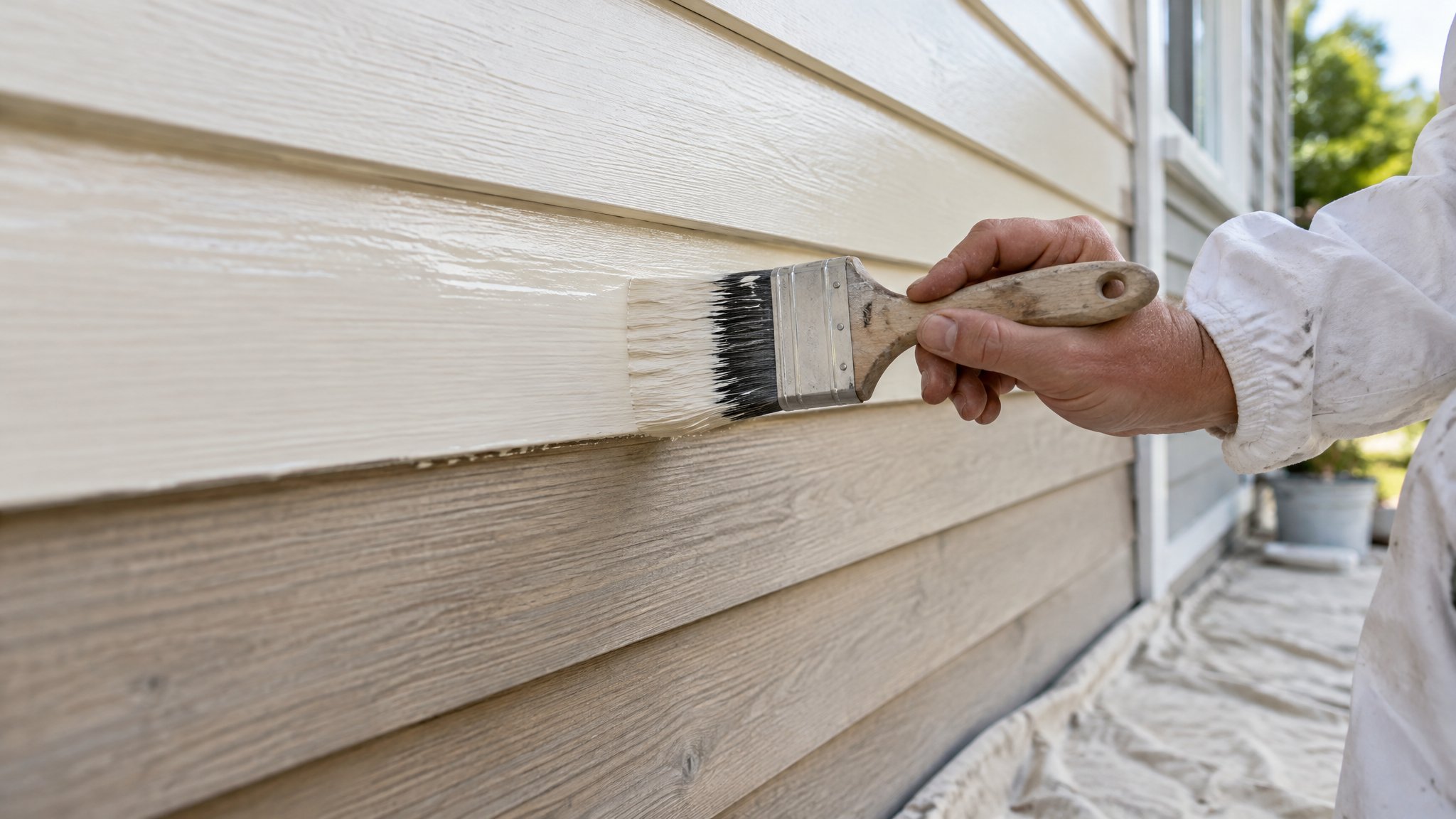
If you’ve got water marks, crayon or other stubborn stains showing through timber or painted surfaces, the short answer is: ordinary paint usually won’t cover them properly on its own. The secret is using the right stain-blocking primer before your topcoat.
In Auckland homes, especially older villas and renovated timber interiors, stains can bleed through if the surface is not sealed correctly. A good result starts with the right prep and the right product for the stain you’re dealing with.
What type of paint actually covers stains?
For water marks, smoke stains, tannin bleed and crayon, the best approach is a stain-blocking primer or sealer first, then your chosen topcoat. The primer does the hard work by locking the stain in so it does not migrate through the finish later.
Common options include solvent-based stain blockers, shellac-based primers, and some high-performance waterborne sealers designed for stubborn marks. The exact choice depends on the stain, the surface, and whether the area is timber, plasterboard, or previously painted trim.
If you go straight in with topcoat paint, the stain may flash through, especially after a few days or once the room warms up. That is why a proper primer system matters more than simply picking a ‘stronger’ paint.
- Water stains: use a stain-blocking sealer before topcoat
- Crayon: remove as much wax as possible, then prime with a sealer made for difficult stains
- Tannin or timber bleed: use a dedicated blocking primer
- Old nicotine or smoke marks: often need more than one sealing coat
How to prepare stained surfaces for painting
Preparation is just as important as the paint itself. Start by cleaning the area with a suitable sugar soap or mild cleaner to remove grease, dust and grime. For crayon, carefully scrape or wipe off as much wax as possible before cleaning.
Once the surface is dry, lightly sand glossy paint or timber to help the primer grip. Any loose or damaged paint should be removed, and water leaks should be fixed before painting, otherwise the stain may return even after sealing.
On timber, also check for tannins, knots, resin or previous coating failure. These can all affect adhesion and stain coverage. If the stain has damaged the substrate, you may need patching or filling before priming.
Choosing the right finish after the stain is sealed
After the stain blocker has cured, you can usually finish with a quality interior acrylic paint for walls or a durable enamel for trim and timber, depending on the surface. The topcoat gives you the colour and washability, but it is the primer that prevents the stain from showing through.
For high-traffic Auckland homes, a washable low-sheen or satin finish is often a practical choice because it is easier to maintain. For timber trims, doors and windows, a harder-wearing finish is usually better than standard wall paint.
If the stain was severe, one prime coat may not be enough. A second sealing coat and careful topcoating can make the difference between a temporary fix and a finish that stays clean-looking.
When to call Steve
If the stain keeps coming back, the surface is timber with old coatings, or you’re unsure which primer to use, it’s worth getting advice before you paint. Steve is a Kiwi and a trade-qualified painter, and he can assess whether the mark is a simple surface stain or a deeper moisture or bleed issue that needs proper sealing first.
For homeowners and property managers across Auckland, that can save time, avoid wasted paint, and give you a finish that actually lasts. If you want help with water marks, crayon, or timber stain problems, contact Steve, a Kiwi and a trade-qualified painter, for practical advice or to handle the job properly.
Frequently Asked Questions
Can I paint directly over water stains?
You can, but it is usually a mistake. Water stains often bleed through ordinary paint, so use a stain-blocking primer or sealer first.
Will regular wall paint cover crayon marks?
Not reliably. Crayon contains wax, so it needs cleaning and usually a specialist sealer before repainting.
Do I need a primer on timber stains?
Yes, most timber stains need a primer made to block tannin, knots or bleed-through before the topcoat goes on.
Need a hand with your project?
Happy to tackle some of it yourself? Great — but for anything you’d rather leave to a professional, Steve Lunjevich is a Kiwi and a trade-qualified painter with 20+ years’ experience. Call or email for honest advice or a free, no-obligation quote.