
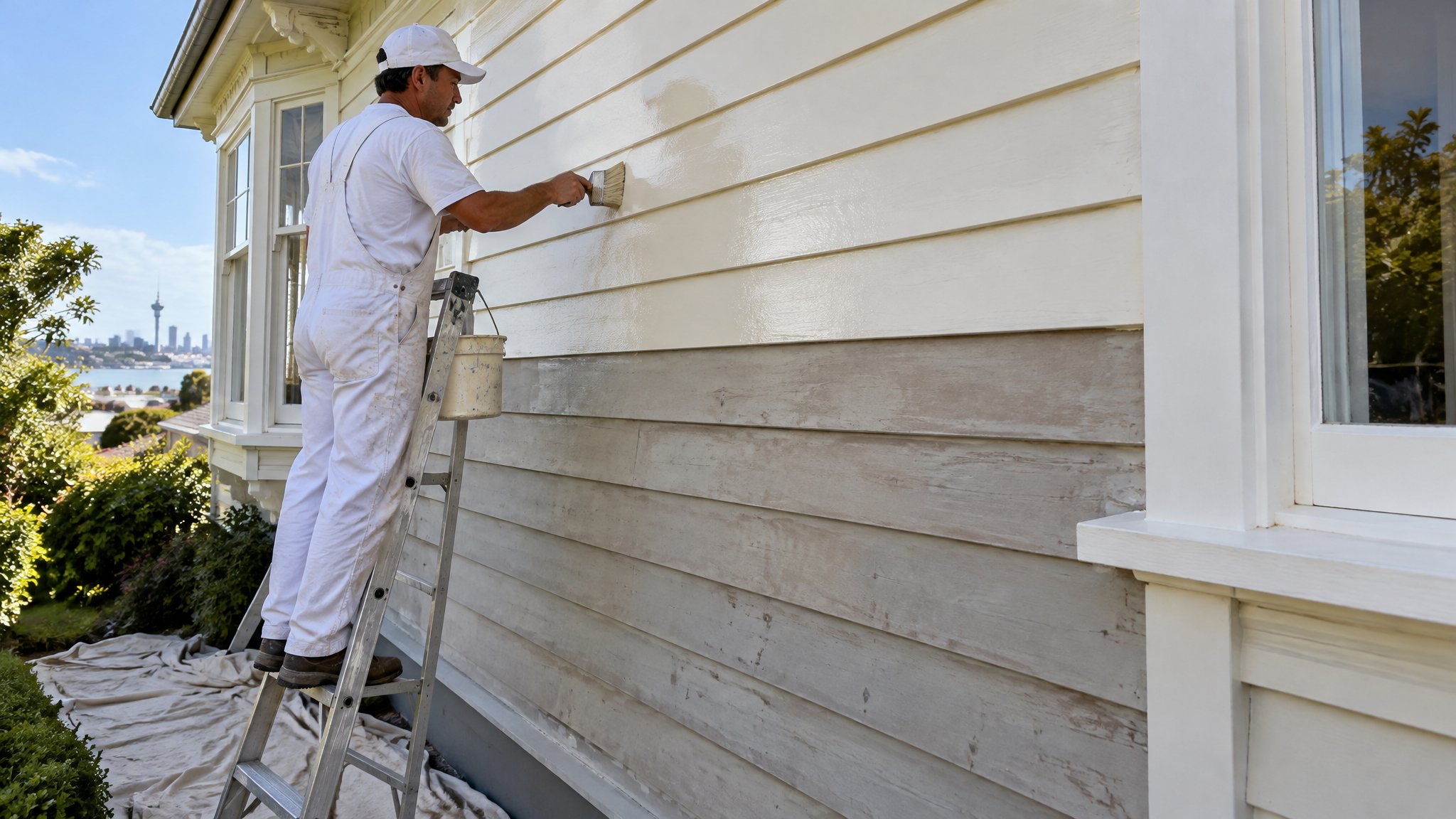
When you’re comparing painting quotes, one of the first decisions is whether to go with a fixed price or an hourly rate. Both can be fair, but they suit different types of jobs and different levels of certainty.
For Auckland homeowners and property managers, the right quote format can make a big difference to budgeting, programme timing and peace of mind. The key is understanding what is included, what is excluded, and how much risk you are taking on.
What a fixed price painter quote means
A fixed price quote is a set amount for the agreed scope of work. The painter looks at the job, assesses the condition of the surfaces, talks through the preparation needed, and then provides one total price for completing that scope.
This style of quote is popular when the work can be clearly defined, such as repainting a bedroom, a well-maintained exterior, or a full interior with a known finish level. It gives you cost certainty, provided the job does not change.
- Best for clearly defined jobs
- Helps with budgeting and approvals
- Usually includes prep, labour and materials as specified
- Changes to scope may require a variation
What an hourly painter quote means
An hourly quote means you pay for the time spent on the job, usually plus materials. This can suit work where the full extent is hard to see at the start, such as older homes with hidden surface issues, maintenance work, repairs, or jobs that may grow once work begins.
Hourly quoting can be useful when you want flexibility, but it places more of the cost risk on you. If the preparation takes longer than expected, the final cost rises. That is why it is important to agree on the hourly rate, likely number of hours, what materials are extra, and how progress will be reported.
- Best where the scope may change
- Useful for repairs and smaller maintenance tasks
- Can be more flexible for ongoing work
- Final cost is less certain than a fixed price
How to compare the two fairly
The cheapest quote is not always the best value. A fixed price can look higher at first, but it may include more preparation, better protection, and a clearer finish standard. An hourly quote may look lower initially, but the total can climb if the job proves more complex.
To compare quotes properly, ask each painter the same questions. What prep is included? Are repairs extra? Are primers and sundries included? How will changes be handled? Will you receive updates if the time or scope starts to move?
A good painter should be able to explain the difference between a quote that is carefully scoped and one that is more open-ended. In premium Auckland homes, that clarity matters because the finish expectations are usually higher and the surfaces often need more care.
- Compare scope, not just price
- Check what prep and materials are included
- Ask how variations are managed
- Make sure the finish standard is clear
When to call Steve
If you are unsure whether a fixed price or hourly quote is best for your painting job, call Steve. He is a Kiwi and a trade-qualified painter, and he can assess the condition of the surfaces, explain the likely scope, and recommend the quote style that suits your project and budget.
That advice is especially helpful for Auckland properties where weather exposure, older substrates or previous paint failures can make the job more complex than it first appears. A proper site visit and clear scope can save a lot of stress later.
Frequently Asked Questions
Is a fixed price quote always better than hourly?
Not always. A fixed price is usually better when the scope is clear and you want budget certainty. An hourly quote can be better when the work is uncertain or likely to change.
Why would a painter use an hourly quote?
Painters often use hourly pricing for repair work, maintenance, small jobs, or projects where the condition of the surfaces is hard to judge before work begins.
What should be included in a painting quote?
A good quote should state the scope of work, surface preparation, materials, number of coats, exclusions, and how variations or extra work will be handled.
Need a hand with your project?
Happy to tackle some of it yourself? Great — but for anything you’d rather leave to a professional, Steve Lunjevich is a Kiwi and a trade-qualified painter with 20+ years’ experience. Call or email for honest advice or a free, no-obligation quote.