
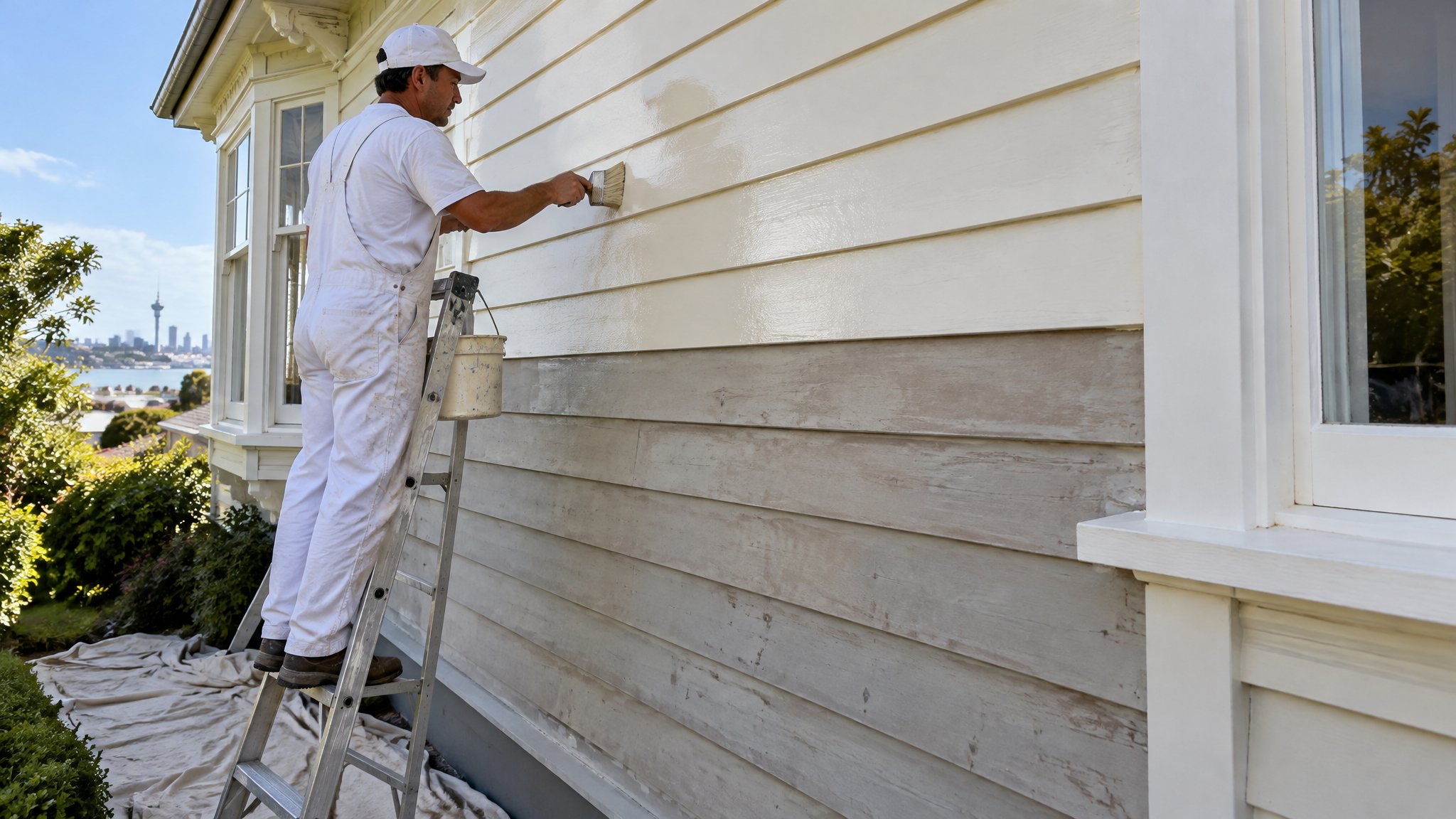
If you’re planning a repaint in Dunedin, one of the first questions is usually: what should a painter cost? The honest answer is that it depends on the size of the job, the condition of the surfaces, and how much prep is involved.
This guide gives you a practical local view of painter pricing in New Zealand, so you can budget sensibly and compare quotes with confidence.
What affects painter pricing in Dunedin?
A painter’s quote is usually shaped by labour time, materials, access, and the standard of finish you want. A straightforward room with smooth walls and good existing paint will cost less than a weathered exterior or a home that needs a lot of preparation.
In Dunedin, weather can also play a role, especially for exterior work. Cooler, wetter conditions can slow drying times and affect scheduling, which may influence the overall cost of the job.
- Size of the area: more square metres means more time and materials
- Surface condition: cracks, peeling paint, stains, and plaster repairs add labour
- Height and access: ceilings, stairwells, and upper storeys can take longer
- Prep work: masking, sanding, washing, and filling are a big part of a proper job
- Paint quality: premium products often cost more but may last longer
- Finish level: standard repainting costs less than a high-detail decorative finish
Typical costs to expect
There isn’t one fixed price for a painter in Dunedin, but most quotes will fall into one of a few patterns: hourly labour, daily rates, or a fixed price for the whole project. For homeowners, a fixed quote is often the easiest to compare because it should spell out what is included.
Small interior touch-ups are usually cheaper than full house repaints, while exterior jobs often cost more because of prep, safety equipment, and weather delays. If your home has old timber trim, textured walls, or significant damage, expect the quote to rise because the preparation is where quality time is spent.
- Minor touch-ups: usually the most affordable type of work
- Single rooms: often priced based on wall condition, ceilings, and trims
- Whole interiors: cost rises with room count, prep, and detail work
- Exteriors: usually more expensive due to ladders, scaffolding, and weather exposure
- Repairs and plastering: often charged in addition to standard painting
How to compare quotes properly
The cheapest quote is not always the best value. A good quote should clearly show what surfaces are being painted, how much preparation is included, what paint system will be used, and whether any repairs or extras are excluded.
When comparing painters, ask whether they will do the sanding, filling, washing, caulking, masking, and cleanup. Also check whether the quote includes GST and whether the painter is insured. A detailed quote helps avoid surprises once the job starts.
- Ask what prep work is included
- Check the number of coats and the paint brand/system
- Confirm whether GST is included
- Look for clear notes on repairs, access, and exclusions
- Compare like-for-like quotes, not just the bottom line
When to call Steve
If you want a proper price for your Dunedin property, the best next step is to get a site visit and a written quote. Steve is a Kiwi and a trade-qualified painter, and he can assess the condition of your surfaces, explain what needs doing, and help you understand where the cost is coming from.
That’s especially useful if you’re dealing with peeling exterior paint, damaged plaster, or a home that needs careful preparation. A good painter will talk you through the options and give you practical advice before any work begins.
Frequently Asked Questions
Do painters charge by the hour or by the job?
Both are common in New Zealand. Small or hard-to-define jobs may be hourly, but many homeowners prefer a fixed quote for a full room or whole house repaint.
Why do painting quotes vary so much?
Quotes vary because every property is different. Surface condition, prep time, height, access, and the quality of the finish all affect the price.
Should I supply the paint myself?
Usually it’s better to let the painter supply the paint so the system, finish, and warranty expectations all match the job. If you’re unsure, ask Steve, a Kiwi and a trade-qualified painter, for advice.
Need a hand with your project?
Happy to tackle some of it yourself? Great — but for anything you’d rather leave to a professional, Steve Lunjevich is a Kiwi and a trade-qualified painter with 20+ years’ experience. Call or email for honest advice or a free, no-obligation quote.