
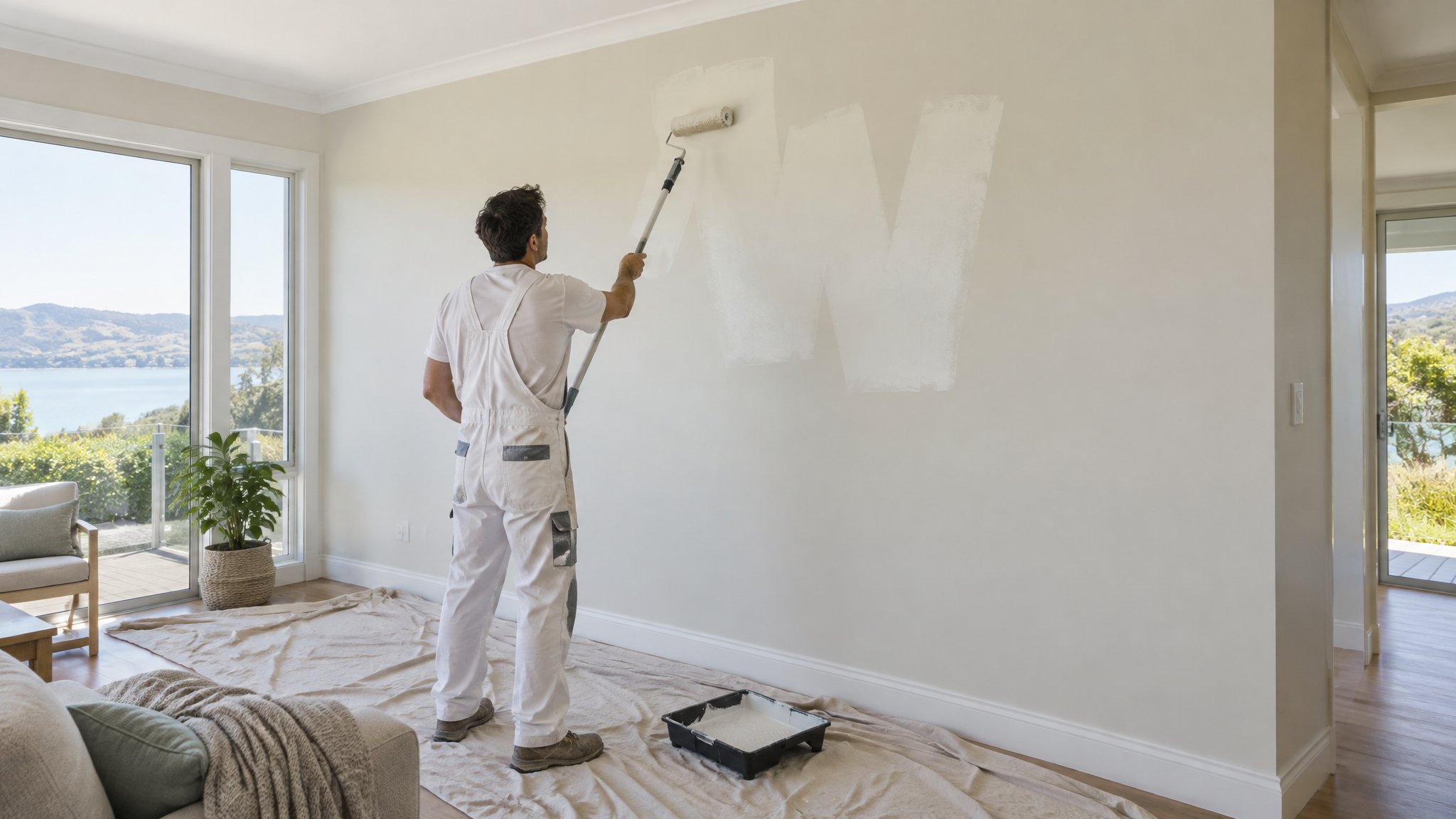
A laundry or utility room works harder than most spaces in the house. It copes with steam, splashes, scuffs, cleaning products and plenty of door traffic, so the paint needs to do more than just look good.
For Auckland homes, the best paint choice is usually a durable, moisture-resistant interior system with the right sheen level for easy cleaning. The key is choosing a product and finish that suits the room, then preparing the surfaces properly so the paint lasts.
What paint type works best in a laundry?
For most laundries and utility rooms, a high-quality water-based interior acrylic paint is the best all-round choice. It dries quickly, has low odour, and stands up well to everyday wear when applied correctly.
If the room gets warm, steamy or has limited ventilation, choose a premium washable paint designed for wet-prone areas. These products are made to resist moisture better than standard wall paint and are easier to wipe down after splashes or marks.
- Use a premium washable interior acrylic for walls and ceilings
- Choose a moisture-resistant product if the room is damp or poorly ventilated
- Avoid cheap flat paints that mark easily and are hard to clean
- If there is existing mould, treat the cause first before painting
Which sheen is best: flat, low sheen, or semi-gloss?
Sheen matters a lot in a laundry. Flat paint hides imperfections well, but it is not usually the best option because it can stain and mark more easily. In a busy utility room, a low sheen or satin finish is often the sweet spot.
Low sheen works well on most walls because it balances appearance with cleanability. Satin or semi-gloss is often a better choice for trim, doors, window frames and shelving, where hands, detergent splashes and moisture are more common.
If your laundry is very small or the walls are not perfect, a lower sheen may help keep the space looking tidy. If durability is the priority, step up the sheen slightly, especially on hard-working surfaces.
Prep and paint choices that make a big difference
Even the best paint will struggle if the room has damp patches, soap residue, dust or old peeling coating. Good preparation is what gives you a finish that lasts and cleans up easily.
Before painting, surfaces should be washed, dried and repaired. Any signs of mould should be dealt with properly, not just painted over. If the room has older stained areas, a stain-blocking primer may be needed to stop marks bleeding through.
Colour also plays a role. Light neutrals, warm whites and soft greys usually work well in laundries because they reflect light and make smaller rooms feel cleaner and brighter. In a premium Auckland home, a restrained palette often looks best and keeps the space feeling calm and practical.
When to call Steve
If you are not sure whether your laundry needs mould treatment, stain blocking, specialist prep or just a smart refresh, it is worth getting advice before you start. Steve is a Kiwi and a trade-qualified painter, and he can recommend the right paint system for your room, your ventilation and the condition of the existing surfaces.
For Auckland homes, especially in older villas, bungalows and busy family houses, a laundry repaint is often best handled as part of a proper interior painting plan. Steve can help you choose the right finish, prepare the room correctly and deliver a durable result that looks neat and stays looking good.
Frequently Asked Questions
Can I use bathroom paint in a laundry room?
Yes, sometimes you can, especially if the laundry is damp or poorly ventilated. A premium washable moisture-resistant interior paint is often a better fit than standard wall paint.
Is semi-gloss too shiny for laundry walls?
It can be if used on every wall, but semi-gloss works well on trims, doors and joinery. For walls, low sheen is usually the better balance of durability and appearance.
What causes paint to peel in a laundry?
Common causes are moisture, poor surface prep, soap residue, mould and using the wrong primer or paint. Fixing the source of the issue is essential before repainting.
Need a hand with your project?
Happy to tackle some of it yourself? Great — but for anything you’d rather leave to a professional, Steve Lunjevich is a Kiwi and a trade-qualified painter with 20+ years’ experience. Call or email for honest advice or a free, no-obligation quote.