
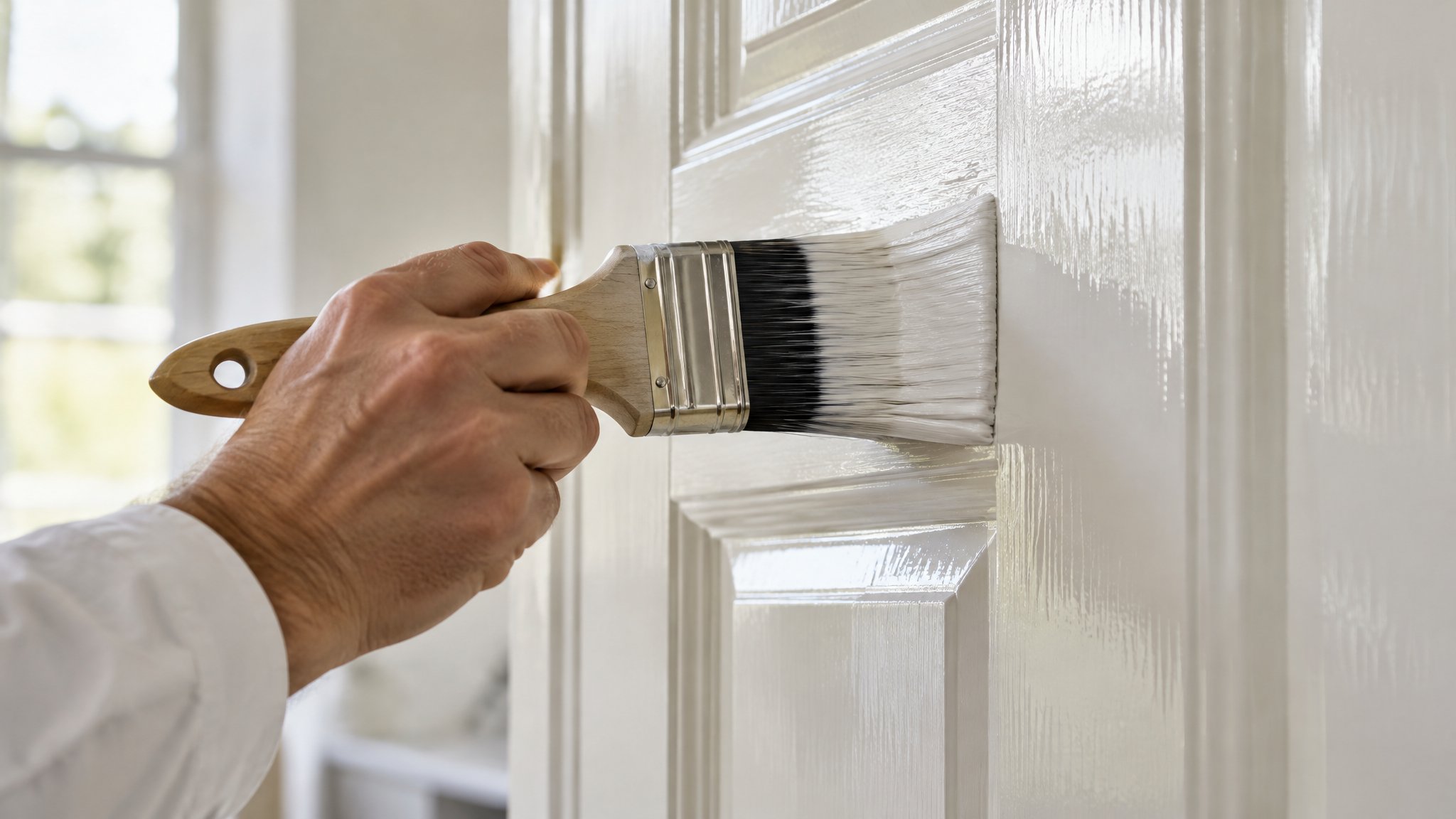
Packing and shimming are small preparation jobs that can make a big difference to the final look and performance of a paint job. If a door, skirting board, window trim or architrave is out of line, paint alone won’t hide the problem.
In Auckland homes, especially older villas and character properties, timber movement, settling and past repairs often leave gaps, uneven reveals or doors that don’t close properly. That’s where packing and shimming come in.
What packing and shimming actually mean
Packing and shimming are methods used to fill small spaces or adjust the position of building elements so they sit correctly before finishing work begins. A packer or shim is usually a thin piece of material placed behind or under a fitting to bring it level, plumb or square.
In painting and decorating, this often comes up with architraves, skirting, door jambs, window trims, shelving, cabinetry or linings. If something has been fitted slightly out of line, a carefully placed shim can correct the gap before the last rounds of filling, sanding and painting.
The aim is not to disguise poor workmanship with paint. It is to create a stable, even surface so the finish looks crisp and holds up well over time.
- Packing: filling a gap or supporting a component
- Shimming: using a thin wedge or strip to adjust alignment
- Common materials: timber offcuts, plywood, hardboard, plastic shims or purpose-made packers
Why it matters to the finished paint job
Paint shows up flaws more than most people expect. Uneven gaps, bowed trims and out-of-square corners can create visible shadow lines and make even a premium paint system look untidy.
Good packing and shimming help by improving alignment, reducing movement and creating a more consistent surface for caulking and painting. That means cleaner edges, fewer visible gaps and less chance of the finish cracking early.
It also helps with practical performance. A door that is packed correctly is less likely to bind. A skirting board that is properly shimmed is less likely to flex and split the paint film at the joins.
For property managers and homeowners, that translates to fewer call-backs, less maintenance and a better result for longer.
Where a painter may use packing and shimming
Packing and shimming are often used during preparation before repainting or during small remedial repairs. They are especially useful in older Auckland homes where timber framing has moved over time, or where previous renovations were done quickly.
You might need it when:
A door frame is not square and the architraves won’t sit neatly
Skirting boards have dropped away from the wall
Window trims leave uneven gaps that show after painting
Cabinetry or shelves need a tidy adjustment before finishing
A wall or lining has slight movement that needs stabilising before filling
- Older villas and bungalows with timber movement
- Renovation work where surfaces don’t line up
- High-end repaints where clean detail matters
When to call Steve
If you can see gaps, crooked trims or a door that just never sat right, it is worth getting advice before the paint goes on. Packing and shimming can be simple in the right hands, but they need a good eye for detail so the repair is strong, neat and not overdone.
Steve is a Kiwi and a trade-qualified painter who understands how to prep surfaces properly for a lasting finish. If you are planning a repaint, renovation or tidy-up in Auckland, contact Steve for practical advice or to take care of the job properly from prep through to finish.
Frequently Asked Questions
Is packing and shimming only needed for old houses?
No. Older homes often need it more, but newer homes can also have uneven framing, settling or installation issues that need small adjustments before painting.
Can paint and filler fix a gap instead of shimming?
Sometimes a small cosmetic gap can be filled, but if the underlying piece is out of alignment, filler alone usually won’t last or look right. Shimming is often the better fix.
Will I notice the difference after packing and shimming?
Yes. The improvement is usually seen in cleaner lines, tighter joins, better door function and a more professional-looking finish overall.
Need a hand with your project?
Happy to tackle some of it yourself? Great — but for anything you’d rather leave to a professional, Steve Lunjevich is a Kiwi and a trade-qualified painter with 20+ years’ experience. Call or email for honest advice or a free, no-obligation quote.